Multiparametric Analysis of Cytotoxicity using Cell Imaging in Combination with Luminescence

28 Jul 2015

Cytotoxicity can be caused by different types of agents, including drugs, pathogens, immune cells and external stress factors such as heat. Particularly during the drug development process, where cytotoxicity remains one of the major causes of drug withdrawal, there is an urgent need for reliable and time-saving assay workflows that gain a more complete picture of the effects of cytotoxicity. This application demonstrates how multiparametric analysis of cytotoxicity, using different technologies, can be easily performed on the EnSight™ Multimode Plate Reader and how brightfield confluency analysis serves as a robust indicator for toxicity in adherent cells and can be easily applied in labeled or label-free cell-based assay.

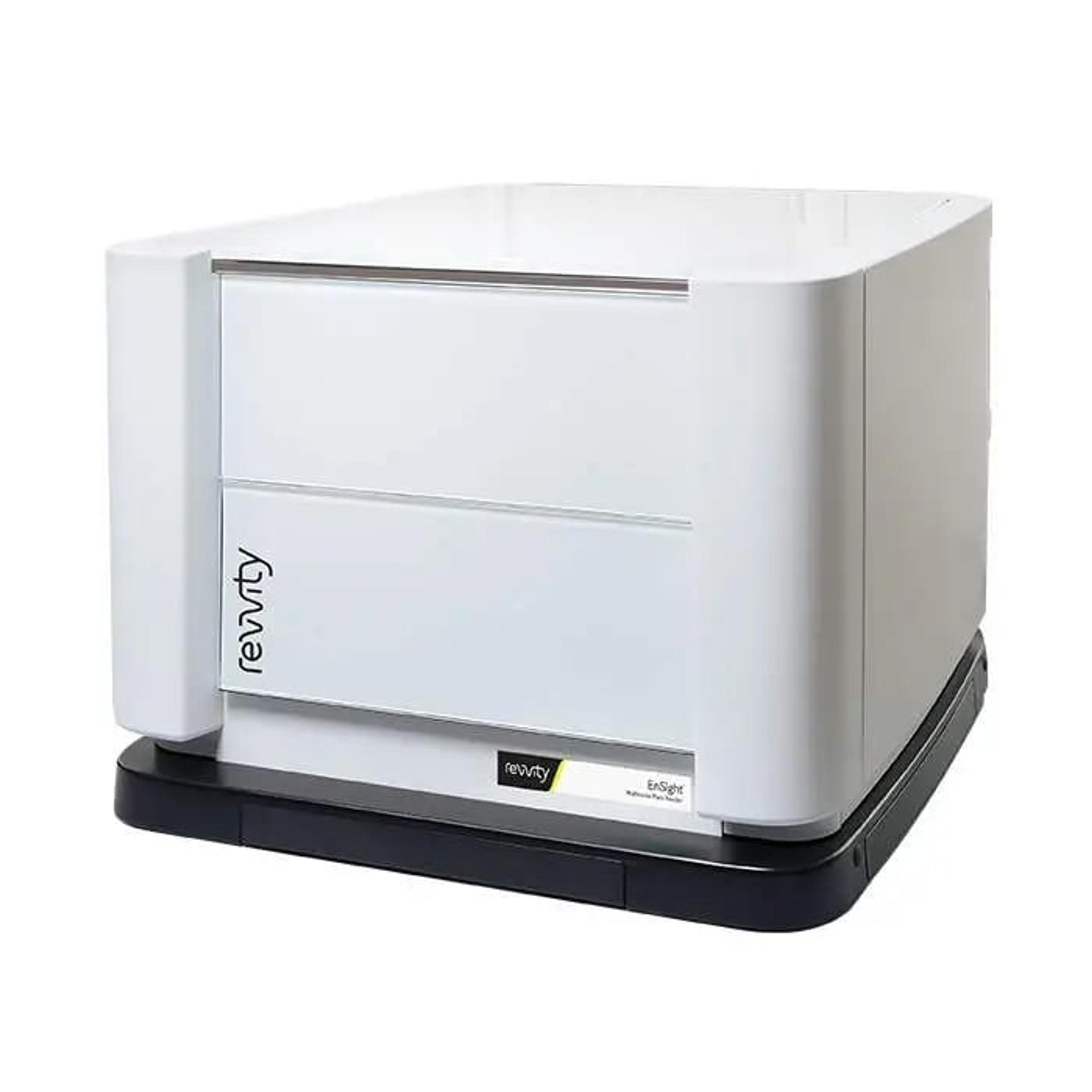
EnSight™ Multimode Plate Reader

Revvity

The EnSight ® multimode plate reader offers HTS Alpha and Ultra-sensitive Luminescence technologies alongside conventional multimode detection technologies. When equipped with a quad monochromator, the EnSight plate reader can improve performance for absorbance and fluorescence detection. In addition, stacker and robotic interface options are available, ideal for automation. The system’s modular design, combined with workflow-based Kaleido™ data acquisition and analysis softwar

(1)

Links

Tags

MicroplatesMicroplates are multi-well plates used to increase the throughput of biological investigations. The number of wells microplates contain can range from 6 to 3243 wells, with the 96-well format being the most commonly used. Microplates can come tailored for a range of applications including cell culture, PCR, filtration, storage, non-binding surface, protein crystallization, as well as pre-coated, deep well and normal Standard microplates. Additionally, options for microplate colors include clear , black, white or black with clear bottom and white with clear bottom for absorbance microplate reader applications. Find the best microplates for your lab in our peer-reviewed product directory: compare products, check customer reviews and receive pricing direct from manufacturers.Microplate Readers / DetectorsMicroplate readers are used to automate the detection and analysis of labeled or label-free components in microplates during assays or live-cell monitoring. Microplate readers are generally distinguished by their mode of detection. Types include absorbance, luminescence, fluorescence intensity, fluorescence polarization, TRF / FRET and multimode microplate readers. Microplate readers deliver a high throughput of samples by reading multiple wells simultaneously, with the 96-well format the most commonly used. As a result, microplate readers are often used in the drug discovery, bioassays, research and pharmaceutical industries for screening applications. Microplate loading can also be automated, with robotic microplate stackers to increase throughput. Find the best microplate readers in our peer-reviewed product directory: compare products, check customer reviews and receive pricing direct from manufacturers.Cell-Based AssaysCell-based assays are used to monitor the presence, quantity and activities of a desired cellular analyte including drug molecules or biomarkers. This can reveal information on cell health (apoptosis, cytotoxicity, viability and proliferation assays), cell metabolism, cell migration and cell signaling mechanisms. Find the best cell-based assay products, kits and equipment with our peer reviewed product directory: compare products, check customer reviews and receiving pricing direct from manufacturers.Drug DeliveryDrug Delivery refers to dosage form, route of administration, formulations, technologies, and systems for transporting a pharmaceutical compound in the body as needed to safely achieve its desired therapeutic effect. Drug delivery is often approached via the biopharmaceutical or small molecule drug's formulation, but it may also involve medical devices or drug-device combination products. Considerations include instrumentation, software and services. ImmunologyImmunological techniques measure and characterize immune responses. Immunology kits and analysis systems often use techniques such as ELISA, radioimmunoassay (RIA) and immunodiffusion assays, Immunohistochemistry, and flow cytometry. Immunologists use equipment such as flow Cytometers, plate readers, plate washers and fluorescent microscopes.CytotoxicityCytotoxicity assays measure the toxic effects of substances on cells, often used in drug testing and environmental studies. These tests are crucial in determining the safety of chemicals and pharmaceutical compounds. Explore cytotoxicity testing tools in our peer-reviewed product directory; compare products, check reviews, and get pricing directly from manufacturers.Pathogen DetectionPathogen detection is the process of identifying harmful microorganisms, including bacteria, viruses, and fungi, that can cause diseases. Accurate pathogen detection is critical for food safety, public health, and clinical diagnostics. Explore pathogen detection products in our peer-reviewed product directory; compare products, check reviews, and get pricing directly from manufacturers.Cell Based AssaysCell-based assays use living cells to measure biological responses to various treatments or stimuli. They are essential for drug discovery, toxicology testing, and understanding cellular mechanisms. These assays are used to assess cell viability, proliferation, gene expression, and other cellular activities. Browse our peer-reviewed product directory to find the best cell-based assay tools and reagents, compare products, read customer reviews, and get pricing directly from manufacturers.ToxicityToxicity is defined as the degree to which a substance can harm humans or animals. It is essential to study the toxicity of pharmaceutical products during the development process so that optimum dosage can be established for the administration of the drug.Label-Free AnalysisDrug DevelopmentDrug development refers to the process of bringing a new drug to market.