
Multi-length Scale Investigations of a Li-ion Battery Cathode
6 Mar 2013This application note from Xradia demonstrates how 3D X-ray microscopy (XRM) can be used to overcome the limitations of SEM, TEM and AFM. It is shown that XRM can provide unprecedented insight into complex porous materials and can be used determine microstructural changes in batteries.
Related products
Request Quote for All Products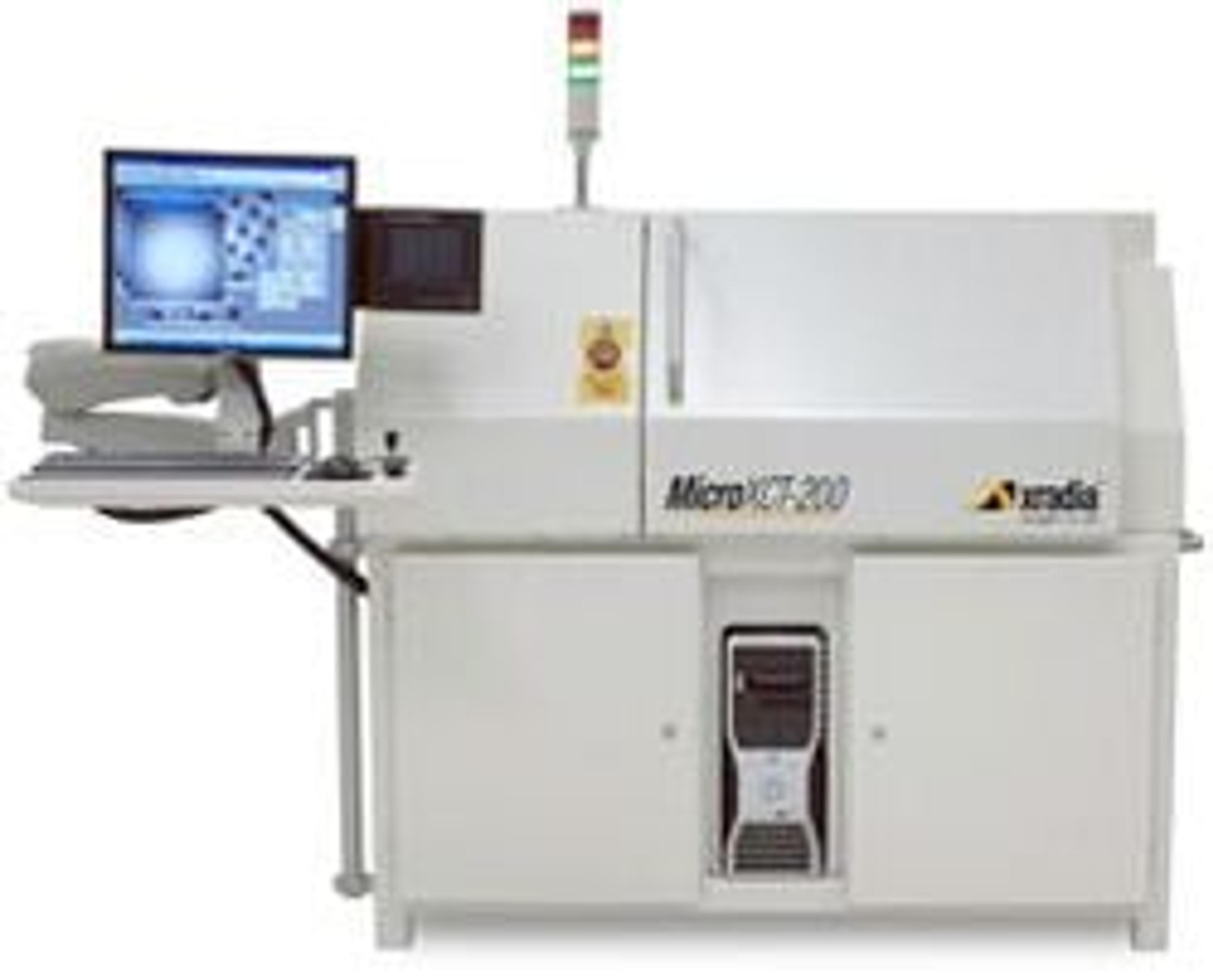
MicroXCT-200
XradiaMicroXCT-200 - High Resolution and Contrast; Large Sample Size and Shape Flexibility; Automated Multiple Point Imaging. The MicroXCT-200 is a versatile 3D X-ray imaging system suited for non-destructive analysis of a large variety of samples. Its unique design allows for high resolution imaging for relatively large samples. Its detectors are tailored to image both high and low absorption materials. The MicroXCT-200 provides the unique high resolution 3D imaging ability that allows analysis and visualization of internal fine 3D structures in intact samples, which is not possible with typical surface analysis tools like the AFM, SEM or conventional CT systems. MicroXCT-200 Applications: Pre-clinical life science and biomedical studies Semiconductor package FA High and low absorption advanced material imaging Pore connectivity and microstructure modeling for oil and gas drilling feasibility studies
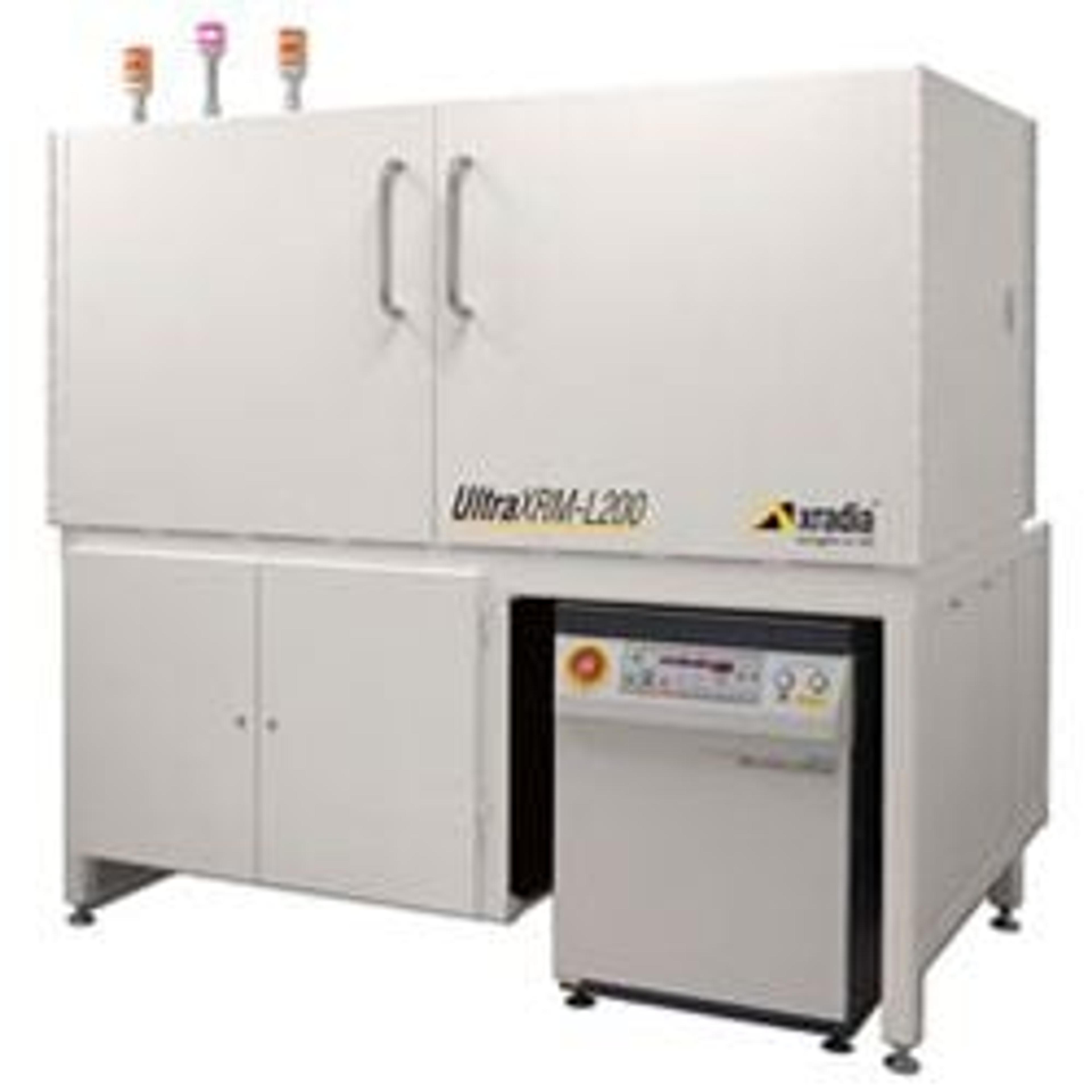
UltraXRM-L200
XradiaUltraXRM-L200 - Synchrotron-like 3D Imaging in a Laboratory System. The UltraXRM-L200 is the only lab based ultra-high resolution CT scanner for 3D visualization of microscopic sample volumes. Xradia's precision X-ray focusing optics deliver a resolution as fine as 50 nm, seamlessly extending the capabilities of X-ray CT beyond those of conventional scanners. Integrated Zernike phase contrast imaging enhances the visibility of all edges and interfaces when absorption contrast is low. The UltraXRM-L200 delivers reliable 3D volumetric information otherwise only accessible by cross-sectioning or other destructive methods. UltraXRM-L200 Applications: Life Science Studies Semiconductor Package FA Advanced Material Analysis Oil & Gas Drilling Feasibility Models