
ResourceLife Sciences
Monoclonal or polyclonal antibodies: The best choice for your research
5 Aug 2020B cells secrete primary antibodies as part of the adaptive humoral immune system. This application note by Biorbyt will highlight the differences between monoclonal and polyclonal antibodies, and guide your choice for your own research.
Related products
Request Quote for All Products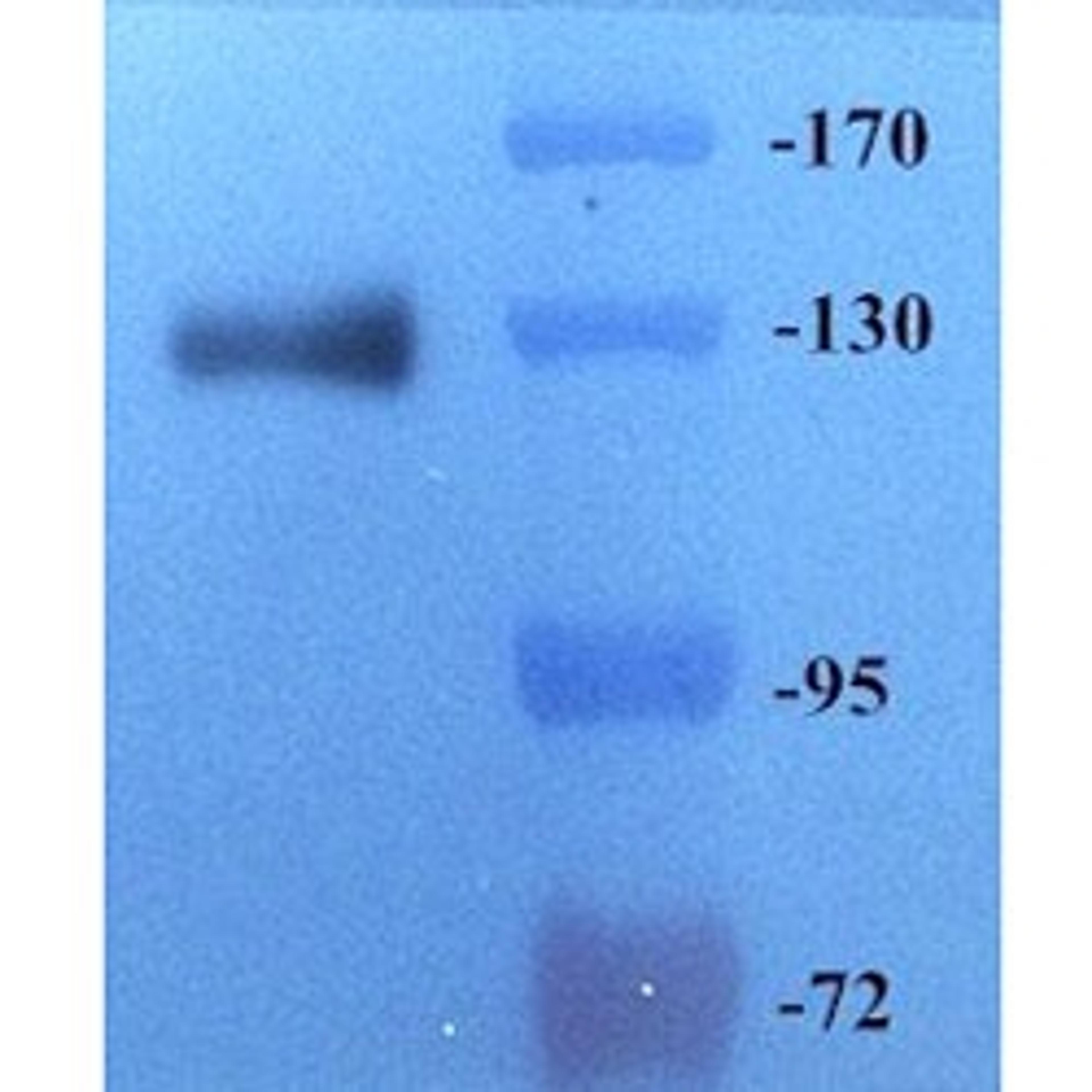
CD163 antibody
BiorbytRabbit polyclonal antibody to CD163. This protein (also known as M130); belongs to a macrophage-associated antigen; which is a member of the scavenger receptor cysteine-rich (SRCR) superfamily. CD163 acts as a receptor that scavenges hemoglobin by mediating endocytosis of haptoglobin-hemoglobin complexes.
Links
Tags
AntibodiesAntibodies are used in techniques such as confocal and fluorescence microscopy, flow cytometry, ELISA, ELISPOT, immunohistochemistry, western blotting and immunopreciptation. Select specific antigen reactivity, high specific affinity, low non-specific binding, monoclonal or polyclonal, primary or secondary antibodies and associated conjugates such as an enzyme or dye for visualization.Monoclonal AntibodiesMonoclonal antibodies (mAbs) are lab-made molecules that can bind to specific antigens on cells, making them highly effective in treating cancers, autoimmune diseases, and infections. These targeted therapies are transforming the treatment landscape for many conditions. Browse our peer-reviewed product directory to find monoclonal antibodies for research and clinical applications; compare products, check reviews, and get pricing directly from manufacturers.