
ResourceLife Sciences
Monitoring bacterial growth under different environmental conditions
5 Aug 2020Microbial organisms, such as bacteria, serve critical roles in many different facets of modern-day living. They are used for the production of medical products, environmental remediation, biomedical research, and food production, to name just a few different uses. The ability to manipulate and select different strains with specific characteristics has been paramount to their utility. Likewise, the development of new strains often requires monitoring the growth of strains under various conditions. Here BioTek describes the use of the LogPhase™ 600 Microbiology Reader to provide temperature control, suspension agitation, and monitor bacterial growth using light scatter in 96-well microplates.
Related products
Request Quote for All Products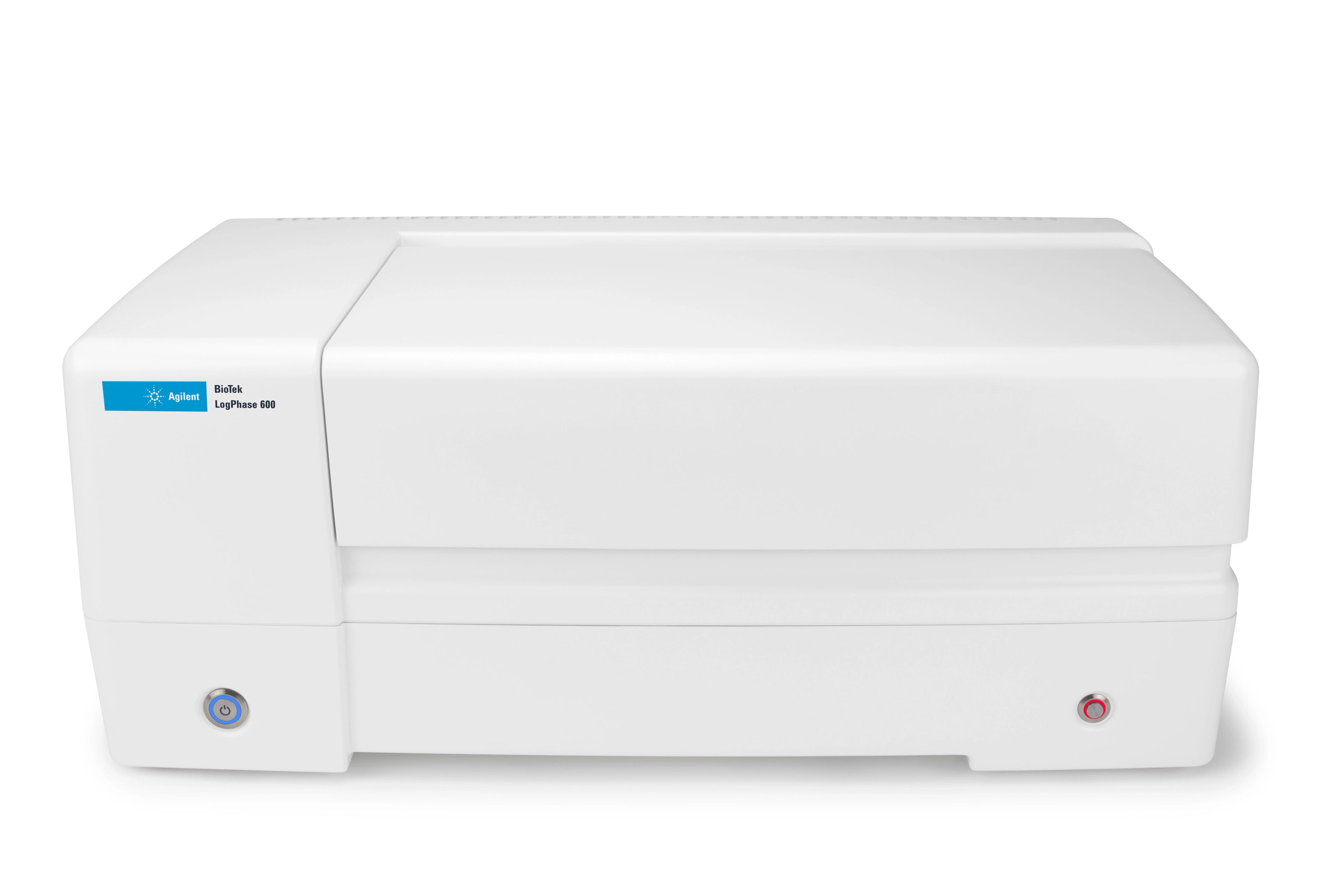
Links
Tags
MicrobiologyMicrobiology is the study of microorganisms including protists, prokaryotes, fungi, and, often, viruses. Microorganisms are a useful research tool as genetic vectors and, in immunology, for antibiotic susceptibility testing, cellular biology and genetics. Microorganisms commonly grow readily in incubators with microbial culture media; this can contain chromogenic supplements to differentiate between cell lines. Estimate your culture’s density of microorganisms with colony counters, or screen and select colonies for desirable clones with automated colony pickers. Additionally, equipment is available to monitor environments for the presence of microbes and identify with microbial identification instruments. Find the best microbiology products in our peer-reviewed product directory: compare products, check customer reviews and receive pricing direct from manufacturers.BacteriaBacteria are microorganisms that play critical roles in the environment, human health, and biotechnology. Understanding bacterial genetics, growth, and metabolism is essential for developing antibiotics, vaccines, and improving industrial processes. Browse our peer-reviewed product directory to find the best bacterial research tools, compare products, check reviews, and get pricing directly from manufacturers.Bacterial DetectionBacterial detection uses methods such as cell culture, microscopy, and biochemical assays to identify harmful or beneficial bacteria based on their morphological and metabolic charactersistics. These techniques support disease diagnostics, food safety, and microbial research. Explore bacterial detection systems, kits, and consumables in our directory to compare products and read reviews.Bacterial Identification