
Mitochondrial toxicity in drug discovery
16 Jun 2022Mitochondria are critical regulators of normal cell function and health; consequently, their dysfunction plays a central role in many diseases. Drug-induced mitochondrial dysfunction has been linked to compound attrition, organ toxicity, black-box warnings, and market withdrawals, therefore it is important to identify mitochondrial toxicity during the early stages of the drug discovery process. Download this infographic to explore the impact of mitochondrial toxicity and learn of the benefits of novel in-vitro strategies for drug safety.
Related products
Request Quote for All Products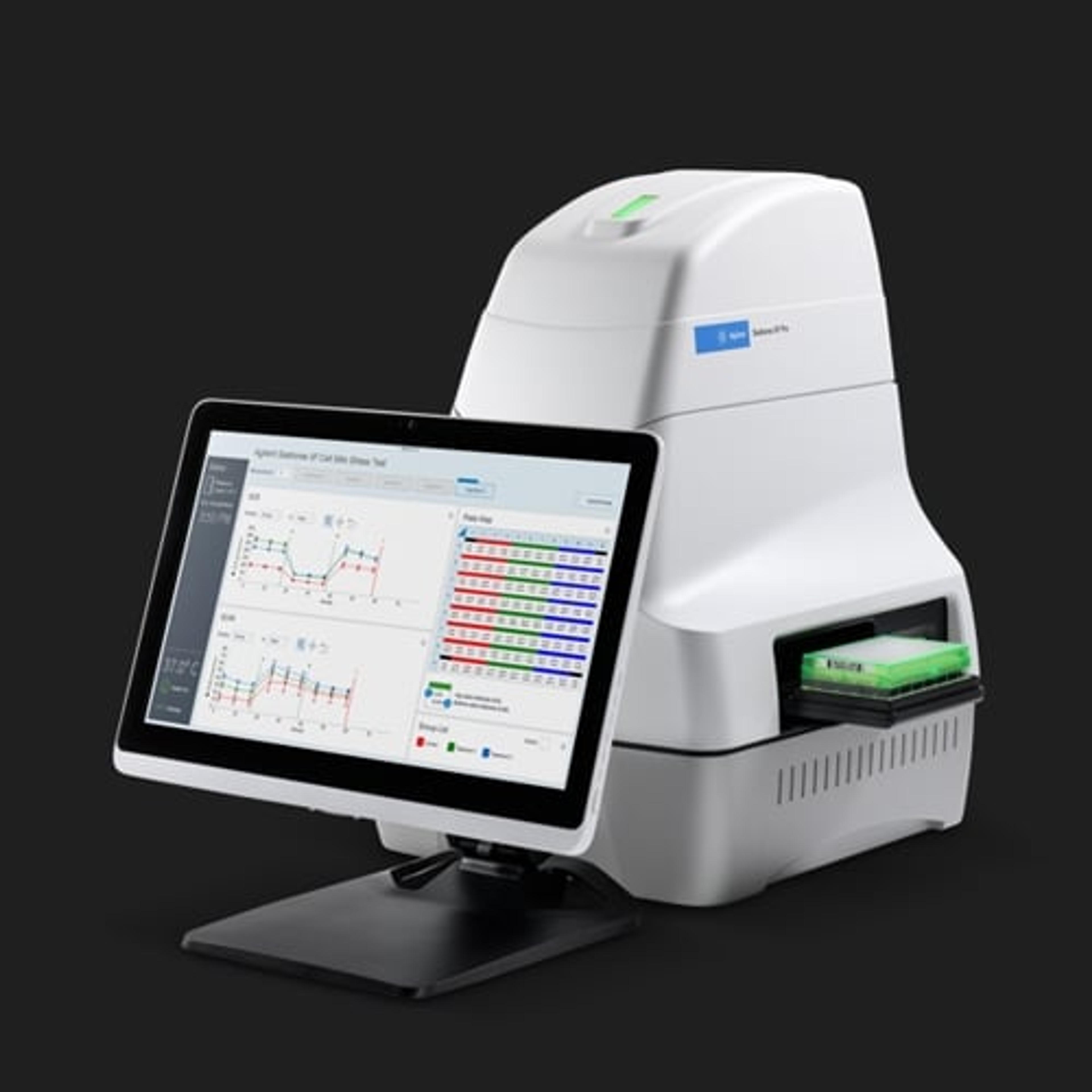
Seahorse XF Pro Analyzer
Agilent TechnologiesMeasure mitochondrial respiration, glycolysis, and ATP production rates in live cells in a 96-well forma t, providing a system-level view of cellular energy metabolism and mitochondrial health. It combines enhanced sensitivity and data consistency with intuitive software and advanced data analytics, enabling users to streamline assay workflow from start to finish and generate and interpret metabolic data easily.