ResourceSpectroscopy
Minimizing the Beam Skirt Effect in X-Ray Microanalysis of Nonconductive Samples
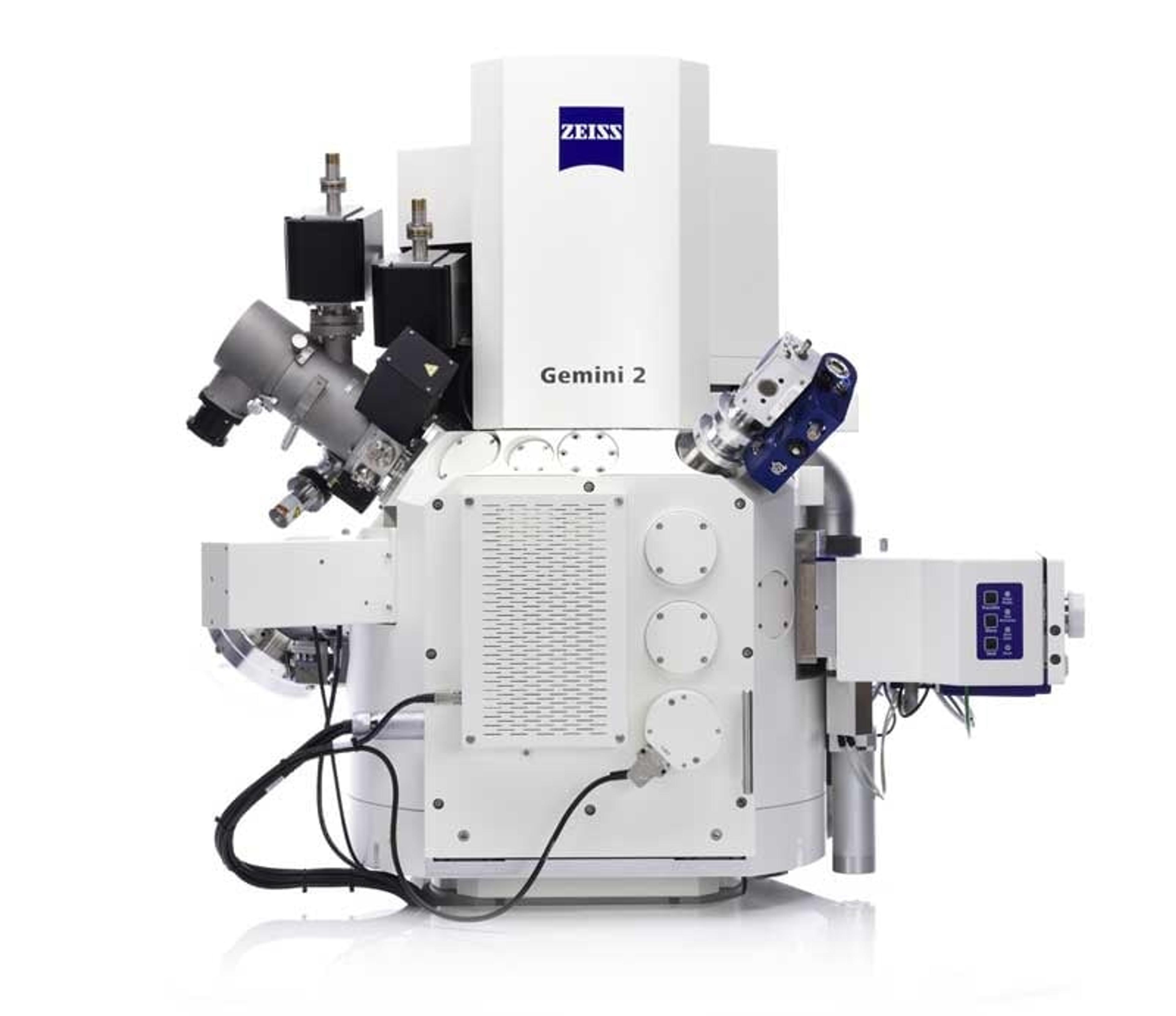
13 Jan 2015Energy dispersive X-ray spectroscopy (EDS) of nonconductive samples in the scanning electron microscope (SEM) requires countermeasures against specimen charging. Variable pressure (VP) SEM is an efficient method, but reduces analytical resolution due to beam broadening by electron scattering in the chamber gas (‘skirt effect’). The local charge compensation (CC) system available with ZEISS SEM and Crossbeam instruments allows EDS of uncoated insulating materials without VP. This note presents experimental evidence of a significantly reduced skirt effect using this method.
Links
Tags
X-Ray Diffraction and SpectroscopyX-Ray diffraction & spectroscopy are used in material characterization to discern the structure and elemental composition of a sample. X-Ray diffractometers (XRD) are superior instruments in elucidating the dimensional atomic structure of crystalline materials, including powders, thin films and single crystals. For large unit cells or ordered macromolecules, consider small-angle X-ray scattering (SAXS). X-ray spectroscopic techniques include X-ray fluorescence (XRF) and X-ray photoelectron spectroscopy (XPS), both providing simple and accurate methods for determining the elemental composition of a material. Energy dispersive (EDXRF) and wavelength dispersive (WDXRF) XRF spectrometers are available, as well as handheld/portable devices. High-resolution, 3D microstructure characterization of materials can be achieved with X-ray microscopes combining sub-micron resolution imaging with 3D computed tomography. Find the best XRD and XRF spectrometers in our peer-reviewed product directory: compare products, check customer reviews and receive pricing direct from manufacturers.Light MicroscopyLight microscopes or optical microscopes are used to visualize microscale objects under magnification, including cells, clinical specimens and materials. Lab equipment for light microscopy includes confocal microscopes, fluorescence microscopes, zoom and stereo microscopes. Microscope slides and imaging reagents are available for visualizing samples, as well as various microscope stages and incubators for large or temperature-sensitive samples. Find the best light microscopes in our peer-reviewed product directory: compare products, check customer reviews and receive pricing direct from manufacturers.Microanalysis