Microbial detection: Solutions for microbiology quality control

Discover the benefits of rapid microbial detection in the development of cellular therapeutics

5 Sept 2019

The advancement of cellular therapeutics requires complex biological approaches, making it important to confirm cellular viability and identity, product consistency, efficacy/potency and, critically, microbiological safety of released products. However, with growth-based quality control (QC) releases accounting for long time periods, identifying and reducing potential sources of contamination at all stages of the development workflow for advanced therapy medicinal products (ATMPs) is essential. These steps are critical to ensuring product compliance and patient safety.

In this application-based eBook, we look at quantitative polymerase chain reaction (qPCR) applications for microbial detection and show how cutting-edge technologies, such as the Microsart® microbial detection kits from Sartorius, help to deliver smarter tools for microbiological quality control, including:

  • Microbial detection procedures and technologies
  • Quantitative analysis using PCR-based applications and next-generation sequencing
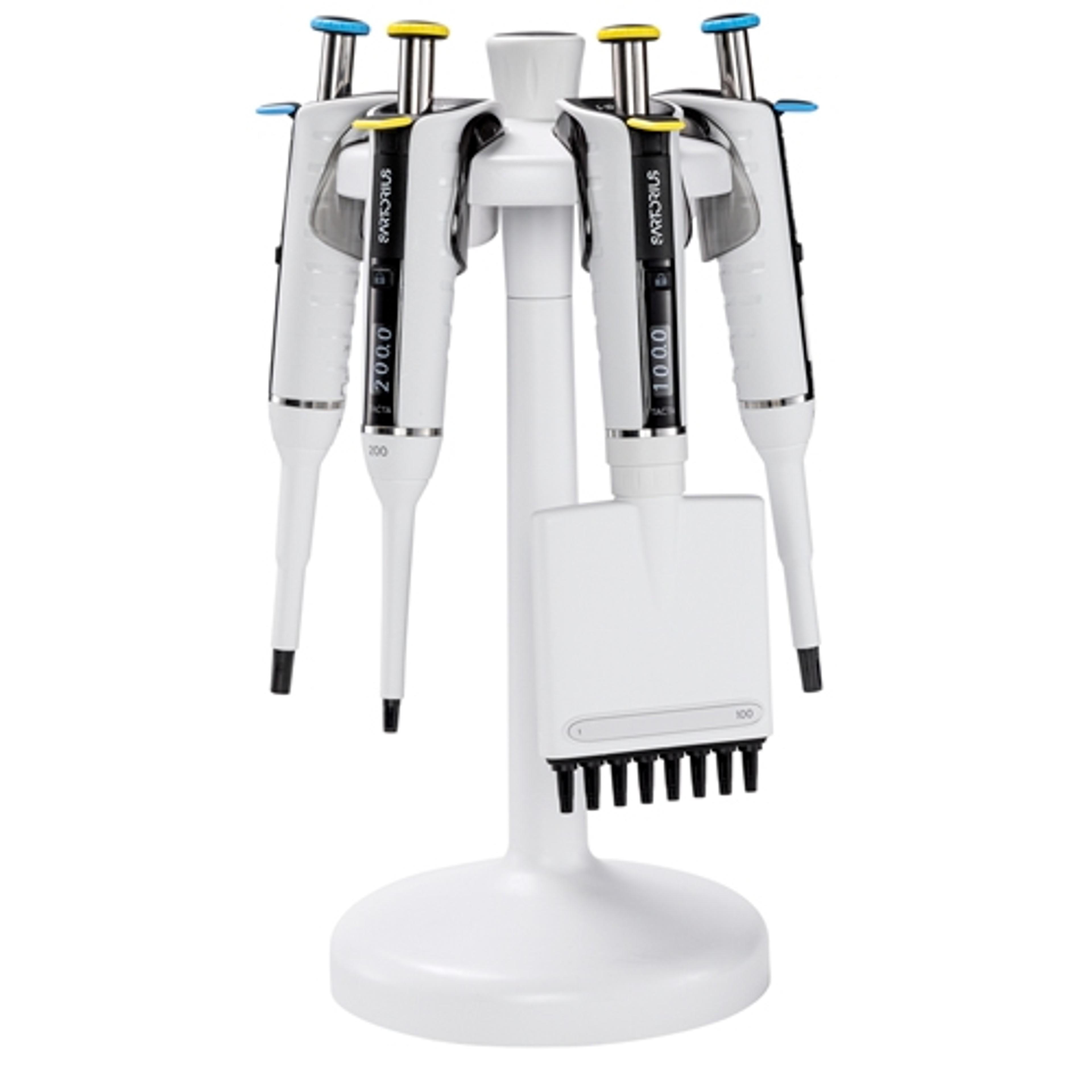
  • Avoiding contamination with reliable pipetting techniques
  • Increased accuracy with rapid detect microbial detection kits and guidelines.

Microsart® ATMP Mycoplasma

Sartorius Group

Especially designed for an easy and fast detection of mycoplasma in cell-based therapeutics like autologous chondrocyte transplants (ATMPs –advanced therapy medical products). Due to the short shelf life of these therapeutics, a fast result is needed. The PCR-technology makes it possible to reduce the time-to-result to only 3 hours.
(1)

Links

Tags

MicrobiologyMicrobiology is the study of microorganisms including protists, prokaryotes, fungi, and, often, viruses. Microorganisms are a useful research tool as genetic vectors and, in immunology, for antibiotic susceptibility testing, cellular biology and genetics. Microorganisms commonly grow readily in incubators with microbial culture media; this can contain chromogenic supplements to differentiate between cell lines. Estimate your culture’s density of microorganisms with colony counters, or screen and select colonies for desirable clones with automated colony pickers. Additionally, equipment is available to monitor environments for the presence of microbes and identify with microbial identification instruments. Find the best microbiology products in our peer-reviewed product directory: compare products, check customer reviews and receive pricing direct from manufacturers.Clinical MicrobiologyMicrobiology is the study of microorganisms including protists, prokaryotes, fungi, and, often, viruses. Microorganisms are a useful research tool as genetic vectors and, in immunology, for antibiotic susceptibility testing, cellular biology and genetics. Microorganisms commonly grow readily in incubators with microbial culture media; this can contain chromogenic supplements to differentiate between cell lines. Estimate your culture’s density of microorganisms with colony counters, or screen and select colonies for desirable clones with automated colony pickers. Additionally, equipment is available to monitor environments for the presence of microbes and identify with microbial identification instruments. Find the best microbiology products in our peer-reviewed product directory: compare products, check customer reviews and receive pricing direct from manufacturers.Quality ControlQuality control is needed in all production processes. Quality control is a monitoring procedure or set of procedures that are put in place to ensure that a manufactured product adheres to a defined set of quality criteria. qPCRQuantitative PCR (qPCR) is a molecular biology technique used to amplify and measure the amount of a specific DNA or RNA target. It plays a crucial role in gene expression analysis, pathogen detection, and quantifying DNA or RNA in various applications. Real-time PCR provides precise, quantitative results and is widely used in research, diagnostics, and clinical studies. Browse our peer-reviewed product directory to find the best qPCR solutions; compare products, check reviews, and get pricing directly from manufacturers.MycoplasmaElectronic PipetteElectronic pipettes are precision instruments used to transfer measured volumes of liquid in laboratory settings. They offer high accuracy, ease of use, and ergonomic benefits compared to traditional pipettes, reducing the risk of repetitive strain injuries. Electronic pipettes are widely used in molecular biology, chemistry, and diagnostics. Browse our peer-reviewed product directory to find the best electronic pipettes; compare products, check reviews, and get pricing directly from manufacturers.BiotherapeuticsBiotherapeutics are proteins and other compounds (such as nucleic acids) produced by living organisms that have uses as therapeutics or in <i>in vivo</i> diagnostics. The most well-known example of a biotherapeutic product, and the first to be approved for therapeutic use, was recombinant human insulin.Bacterial DetectionBacterial detection uses methods such as cell culture, microscopy, and biochemical assays to identify harmful or beneficial bacteria based on their morphological and metabolic charactersistics. These techniques support disease diagnostics, food safety, and microbial research. Explore bacterial detection systems, kits, and consumables in our directory to compare products and read reviews.