ResourceSeparations

Micro Pillar Array Columns (μPAC™) Combined with High-Resolution Mass Spectrometry for Skin Ceramide Profiling

24 Jan 2018

Ceramides, a subclass of sphingolipids, are found in all tissues of the human body. This study describes the use of micro pillar array columns combined with high-resolution mass spectrometry (µPAC-MS) for profiling of ceramide species in the upper layer of human skin.

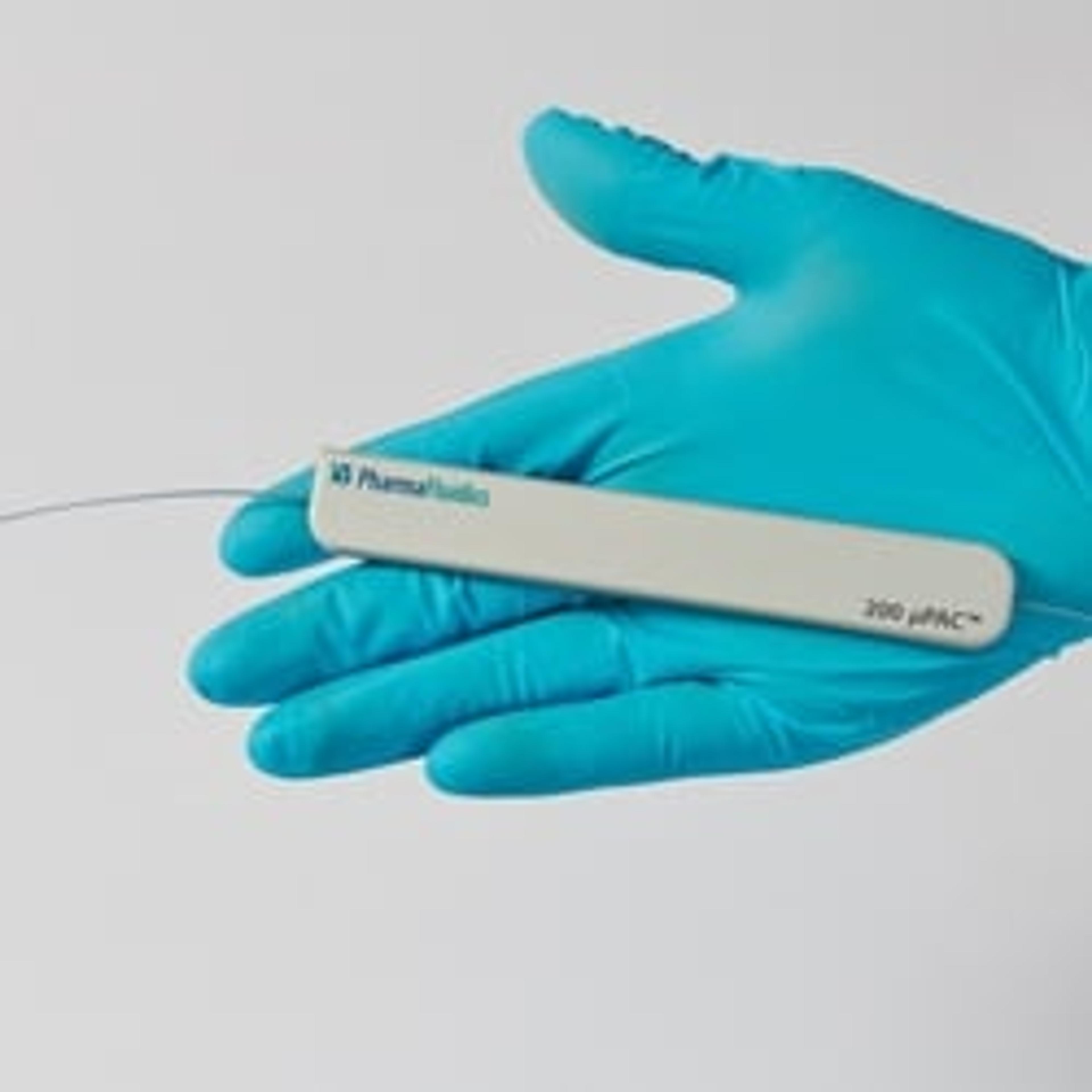
200 cm µPAC™ column

PharmaFluidics

As an alternative to conventional columns, PharmaFluidics offers micromachined nano-LC columns or micro Pillar Array Columns (µPAC™). These µPAC™ columns display exceptional separation properties with unprecedented peak capacity and narrow peak shapes at low operating back-pressure. µPAC™ column, 200 cm length, with pillar array backbone at interpillar distance of 2.5µm, C18.
(1)

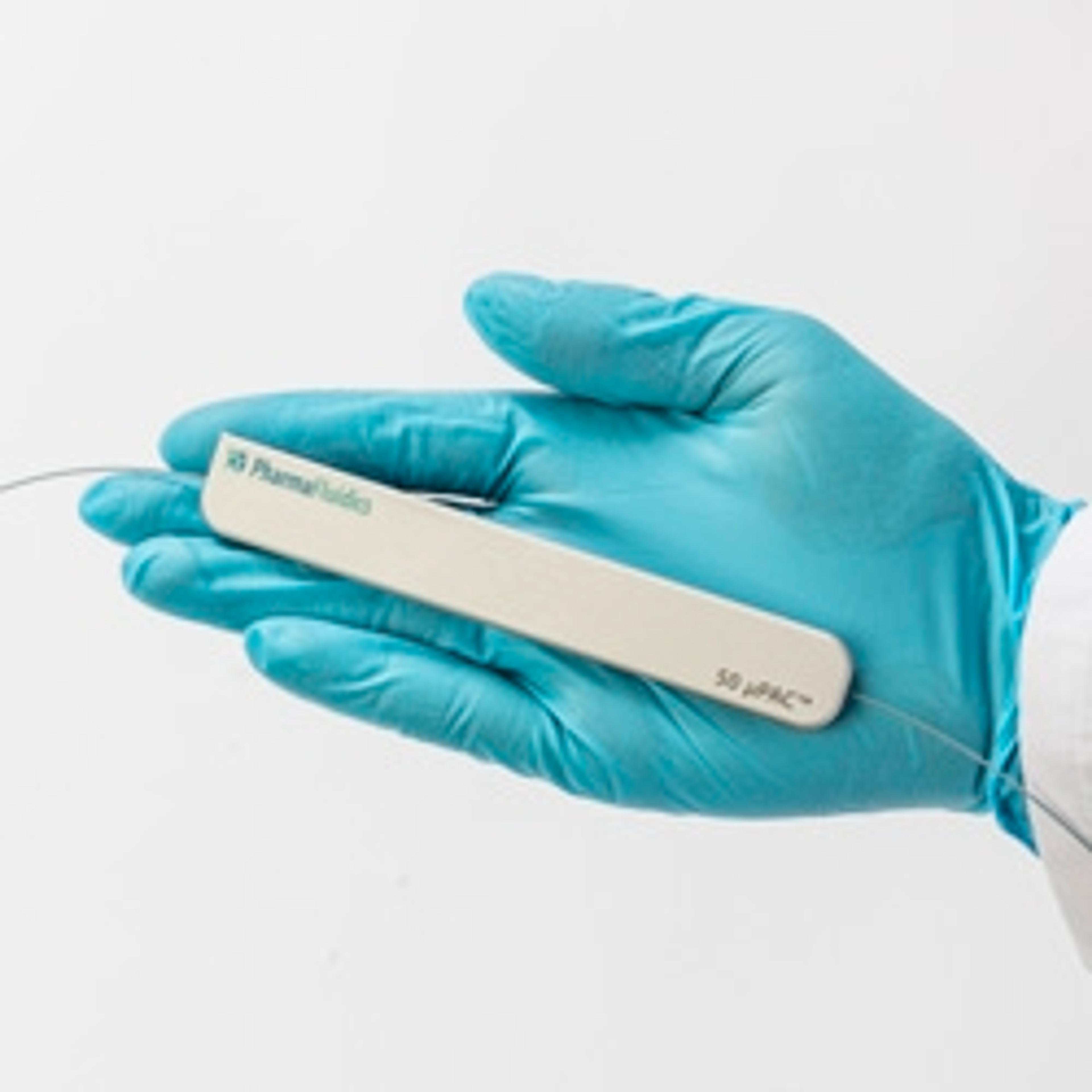
50 cm µPAC™ column

PharmaFluidics

With an internal volume of 3µL, this 50 cm long RP-C18 µPAC™ column is perfectly suited to perform high throughput analyses with shorter gradi­ent solvent times (30, 60 and 90-minute gradients) and it can be used over a wide range of flow rates, between 100 and 2000 nL/min. µPAC™ column, 50 cm length, with pillar array backbone at interpillar distance of 2.5µm, C18.

(0)

Links

Tags

Size Exclusion ChromatographySize exclusion chromatography (SEC) is a liquid chromatographic technique used to separate and identify molecules based on their size, including polymers, proteins, nanoparticles & nucleic acid. SEC is further subdivided into gel filtration chromatography (GFC) and gel permeation chromatography (GPC) when an aqueous or organic mobile phase is used respectively. HPLC-based SEC systems and columns are available for analytical separation alongside SEC spin columns or filters to prep samples for many protocols. Find the best size exclusion chromatography equipment in our peer-reviewed product directory: compare products, check customer reviews and receive pricing direct from manufacturers.Mass SpectrometryMass spectrometry (MS) is a powerful analytical technique used to identify and quantify molecules based on the mass-to-charge ratio of gas-phase ions. It provides detailed information about the structure, composition, and properties of compounds and is widely used across fields such as environmental monitoring, materials science, drug discovery and development, food and beverage testing, and wider chemical research. Key MS techniques include tandem mass spectrometry (MS/MS), liquid chromatography–mass spectrometry (LS-MS) and inductively coupled plasma (ICP-MS). Choosing from these wide range of techniques and technologies can be a daunting task, so keep up to date with scientific applications, performance expectations, and customer reviews here all in one place. Visit our product directory to receive quotes direct from the manufacturer.
Micro Pillar Array Columns (μPAC™) Combined with High-Resolution Mass Spectrometry for Skin Ceramide Profiling