Micro and nanoplastics: A deep dive into a global issue

6 Sept 2024

Microplastics are miniscule pieces of plastic in the environment, a consequence of global plastic consumption and the plastic pollution this causes. Current research finds that microplastics will also degrade into smaller particles on a nanoscale, called nanoplastics, which measure in the range of 1 to 1000 nm. Find out more about the sources, scale, and consequences of plastic particle pollution, and about the tools from Agilent Technologies that have been developed to combat this global issue.

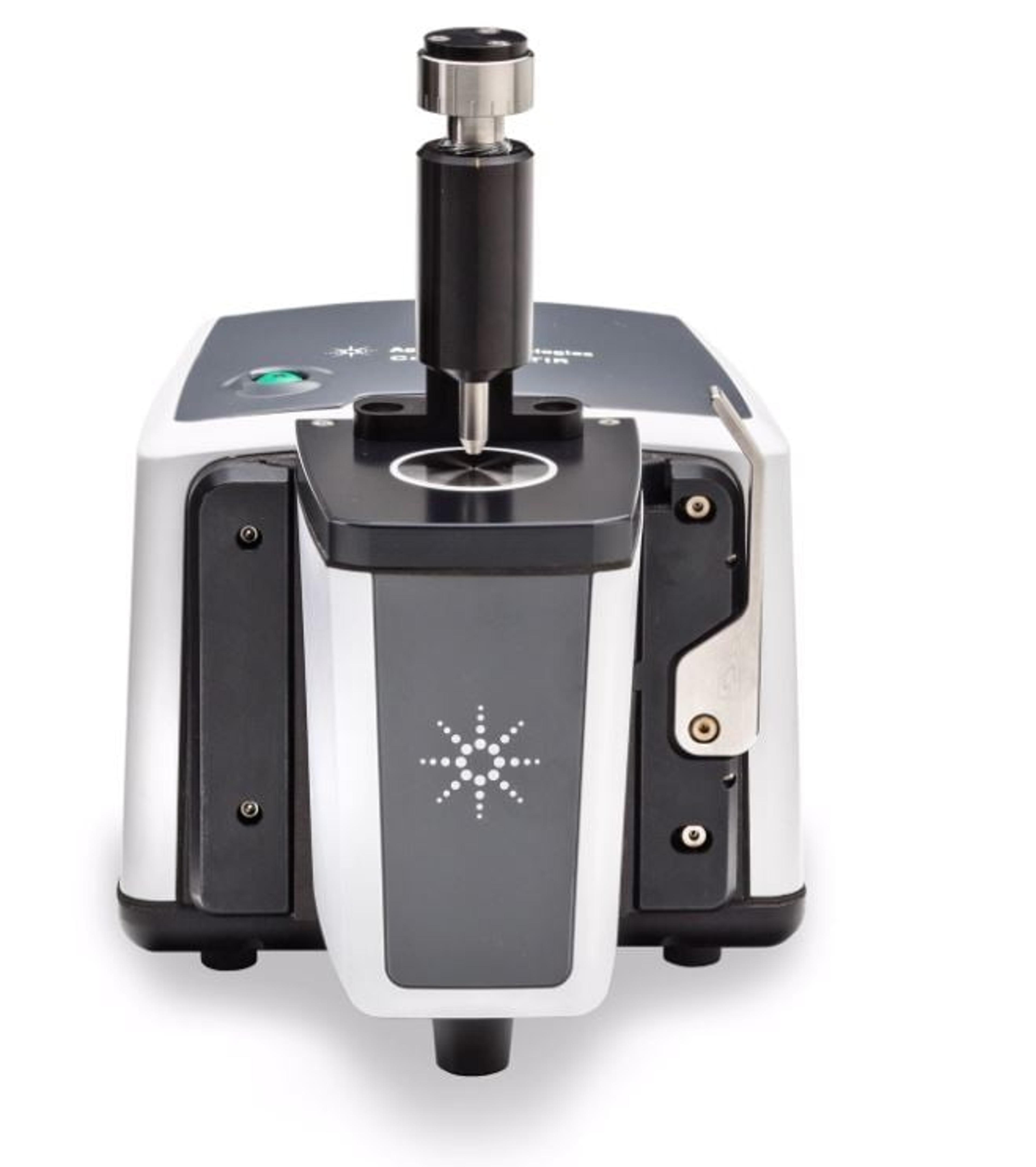
Cary 630 FTIR Spectrometer

Agilent Technologies

The Agilent Cary 630 FTIR is a flexible benchtop FTIR spectrometer offering high performance and extraordinary ease-of-use in an ultra-compact design. It is engineered with the user in focus and provides simple, intuitive workflows to deliver meaningful answers in routine FTIR analysis and cutting-edge research.
(16)

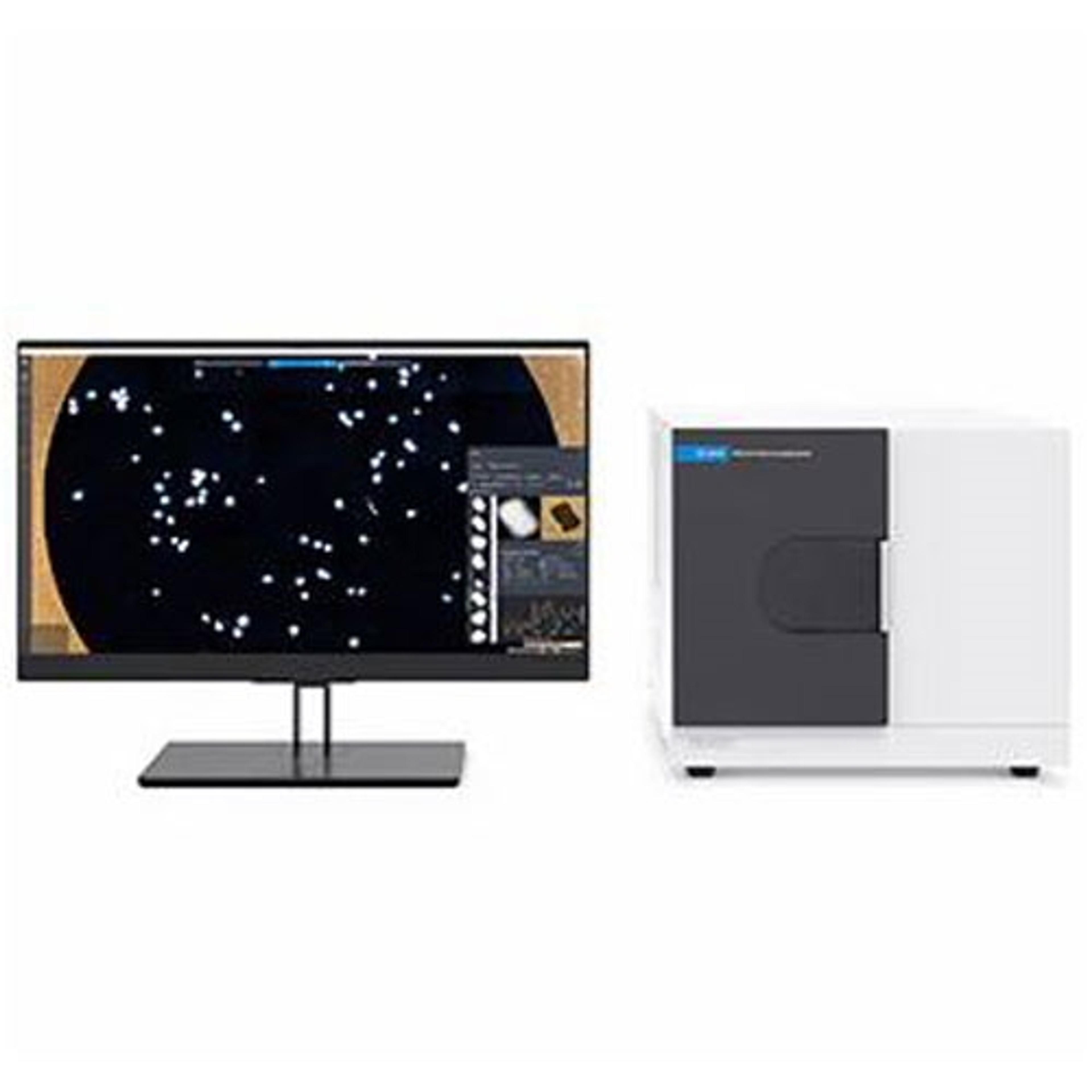
8700 LDIR Chemical Imaging System

Agilent Technologies

Emerging contaminants such as microplastics require innovative analysis techniques. Applying quantum cascade laser spectroscopy, the Agilent 8700 Laser Direct Infrared (LDIR) Chemical Imaging System brings unprecedented speed of analysis and ease of use to analytical challenges such as this.
(0)

Links

Tags

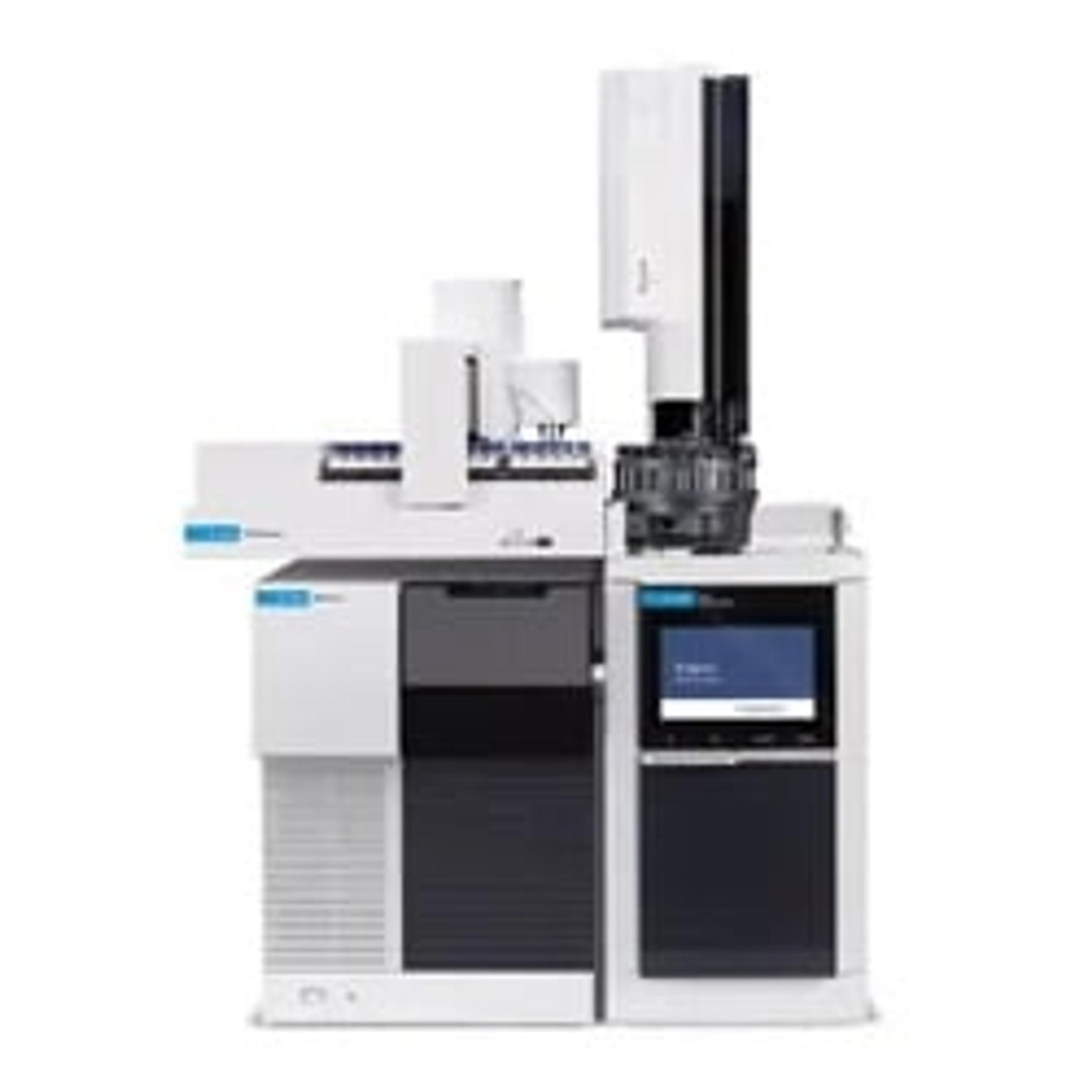
Infrared / IR SpectroscopyInfrared (IR) spectroscopy measures the interaction of infrared light with a sample, including transmission, reflectance & absorbance, facilitating the identification of analytes. Equipment used for quantitative analysis includes Fourier-transform infrared (FTIR) spectrometers, infrared cameras, FTIR gas analyzers, as well as attenuated total reflectance (ATR) accessories and pellet or film presses. Find the best IR spectroscopy products in our peer-reviewed product directory: compare products, check customer reviews and receive pricing direct from manufacturers.Particle CharacterizationParticle characterization instruments are used to determine particle size distribution, shape, surface area, zeta potential, density and porosity of particles and materials. Multiple tecchniques are available for determining particle size, shape and count including dynamic light scattering (DLS), laser diffraction, electrozone (Coulter technique), imaging particle analysis and single particle optical sensing. Determine the density of your material with a gas pycnometer or examine its surface area and porosity with gas adsorption analyzers and mercury porosimeters. Find the best particle characterization instruments in our peer-reviewed product directory: compare products, check customer reviews and receive pricing direct from manufacturers.GC-MS GC-MS (gas chromatography-mass spectrometry) instruments and equipment are used to separate, quantify and identify mixtures of small and volatile compounds, such as polycyclic aromatics, fatty acids and alcohols. Often used in drug detection, forensic investigation and environmental analysis for pesticides and contaminants, GC-MS is a powerful addition to your lab’s analytical capabilities. GC-MS/MS instruments equipped with a qTOF or triple quadrupole analyzers can give greater sensitivity and resolution to your analysis. Find the best GC-MS instruments and equipment in our peer-reviewed product directory: compare products, check customer reviews and receive pricing direct from manufacturers.PlasticsPollution
Micro- and nanoplastics: A deep dive into a global issue