ResourceSeparations

Metabolomic differential analysis of gene-mutated Drosophila using LC/MS and GC/MS

30 May 2023

In this application note, Shimadzu presents examples of analyses to compare wild and genetically mutated Drosophila and analyze differences in metabolites. Long-lived gene mutations were generated in Drosophila yellow, and metabolites in wild and mutant Drosophila were measured by liquid chromatograph mass spectrometer (LCMS-8060NX) and gas chromatograph mass spectrometer (GCMS-TQ 8040 NX).

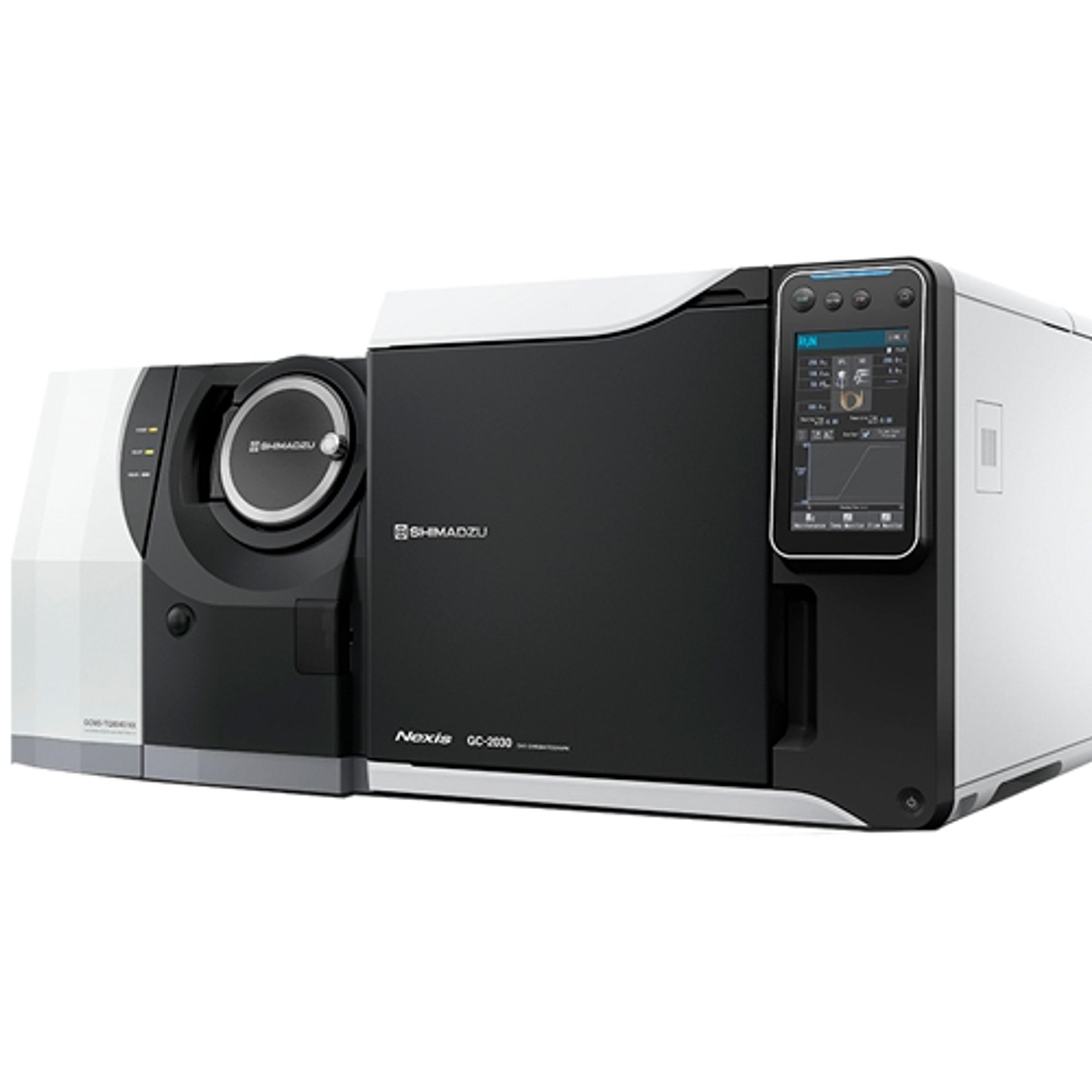
GCMS-TQ8040 NX Triple Quad Gas Chromatograph Mass Spectrometer

Shimadzu Corporation

Featuring Smart Productivity for high-efficiency sample throughput, Smart Operation for quick and easy method development, and Smart Performance for low detection limits and Scan/MRM, the GCMS-TQ8040 NX is a cost-effective, easy-to-use triple quadrupole GCMS for routine analytical work.   With over 32,000 MRM transitions in a single run, the GCMS-TQ8040 NX with Smart MRM can combine over 400 compounds into a single MRM method without sacrificing sensitivity or selectivity, doubling or even tripling laboratory productivity. This results in added throughput before routine maintenance is required and faster return on investment. The Shimadzu GCMS-TQ8040 NX MRM Optimization Tool automatically determines optimum transitions and collision energies for all compounds in a single sequence, and seamlessly incorporates them into the Smart Database Series for fully automated MRM method development. Using flexible MS events, the Smart MRM function routinely determines the best dwell and loop times for >400 compounds in a single method, providing optimum precision and sensitivity. The GCMS-TQ8040 NX can acquire data in the classic MRM mode, or in synchronous Scan/MRM mode for simultaneous qualitative and quantitative results. The Scan/MRM mode simultaneously acquires accurate library-searchable mass spectra and low-level MRM quantitation in a single analysis – a critical function when sample volume is limited. Shimadzu’s proprietary UFsweeper™ technology achieves high-speed MRM analysis up to 800 transitions per second. The Advanced Scanning Speed Protocol (ASSP™) provides high-speed scanning control at 20,000 u/second. ASSP and simultaneous Scan/MRM analysis mode provides high-quality library searchable fragmentation spectra, and accurate low-level quantitative data in a single analysis. This efficient design provides optimum performance in all analysis modes: MRM, SIM, Scan, Scan/MRM, Scan/SIM, Neutral Loss, Product Ion Scan, Precursor Ion Scan and combination modes.

(20)

Links

Tags

LC-MSLC-MS (liquid chromatography-mass spectrometry) systems and equipment are used for separation and quantitative analysis of complex mixtures, combining liquid chromatography and mass spectrometry. Quantify proteins, contaminants, pesticides or screen for drug metabolites with a high level of sensitivity. LC-MS systems and equipment include reverse phase, normal phase and specialized columns integrated with various MS detectors such as time-of-flight (TOF), quadrupole, orbitrap or ion trap mass analyzers. LC-MS/MS instruments equipped with a qTOF or triple quadrupole analyzer give greater sensitivity and resolving power to your analysis. Find the best LC-MS equipment in our peer-reviewed product directory: compare products, check customer reviews and receive pricing direct from manufacturers.DNA / RNA Extraction and PurificationPurified DNA and RNA are required for numerous downstream molecular biology applications. Consequently, the importance of high-quality DNA/RNA extraction and purification equipment cannot be underestimated. Many purification kits are available and are typically optimized for nucleic acid type and source, including plasmid DNA, genomic DNA, mRNA, RNA and viral nucleic acid purification kits. Automated extraction and purification of nucleic acids can be implemented with magnetic bead separator instruments or high-throughput purification workstations. Find the best DNA/RNA extraction and purification equipment in our peer-reviewed product directory: compare products, check customer reviews and receive pricing direct from manufacturers.GC-MS GC-MS (gas chromatography-mass spectrometry) instruments and equipment are used to separate, quantify and identify mixtures of small and volatile compounds, such as polycyclic aromatics, fatty acids and alcohols. Often used in drug detection, forensic investigation and environmental analysis for pesticides and contaminants, GC-MS is a powerful addition to your lab’s analytical capabilities. GC-MS/MS instruments equipped with a qTOF or triple quadrupole analyzers can give greater sensitivity and resolution to your analysis. Find the best GC-MS instruments and equipment in our peer-reviewed product directory: compare products, check customer reviews and receive pricing direct from manufacturers.DNADeoxyribonucleic Acid (DNA) is the main component of chromosomes and the carrier of genetic information of living organisms. Find out here about PCR, NGS, ChIP-Seq, gel imaging, and many other techniques which can be used for the analysis of DNA.MutagenesisMutationMutations are changes in the DNA sequence that can lead to diseases, including cancer and genetic disorders. Analyzing mutations is crucial in diagnostics, drug development, and personalized medicine. Explore mutation detection tools in our peer-reviewed product directory; compare products, check reviews, and get pricing directly from manufacturers.GC-MSGas Chromatography-Mass Spectrometry (GC-MS) combines the separation power of gas chromatography with the detection capabilities of mass spectrometry, allowing for the analysis of complex mixtures. It is widely used in environmental, forensic, and pharmaceutical analysis. Explore GC-MS systems in our peer-reviewed product directory; compare products, check reviews, and get pricing directly from manufacturers.
Metabolomic differential analysis of gene-mutated Drosophila using LC/MS and GC/MS