
Mercury Vapor Analyzers: Finding the Right Fit for Your Needs
18 Nov 2014There are many different technologies which can be used to detect mercury, and some may be more appropriate in certain environments than others. This paper explains the differences between gold film sensors, atomic absorption spectroscopy and atomic fluorescence spectroscopy, focusing on how these technologies work, what interferences they have and how sensitive they are to low levels of mercury vapor.
Related products
Request Quote for All Products
Jerome® 431
Arizona Instrument LLCThe Jerome® 431 mercury vapor analyzer uses a patented gold film sensor for accurate detection and measurement of toxic mercury concerns for applications such as industrial hygiene monitoring, mercury spill clean up and mercury exclusion testing. Simple push-button operation allows users to measure mercury levels from 0.003 to 0.999 mg/m3 in just seconds. Applications: Mercury Spill Response & Cleanup Mercury Exclusion Testing Facility Monitoring Source Surveys Hazardous Waste Sites Fluorescent Lamps Disposal & Recycling Worker Safety Landfill Monitoring Exhaust Duct Monitoring Plant Environment Monitoring: light bulbs, mercury switches equipment
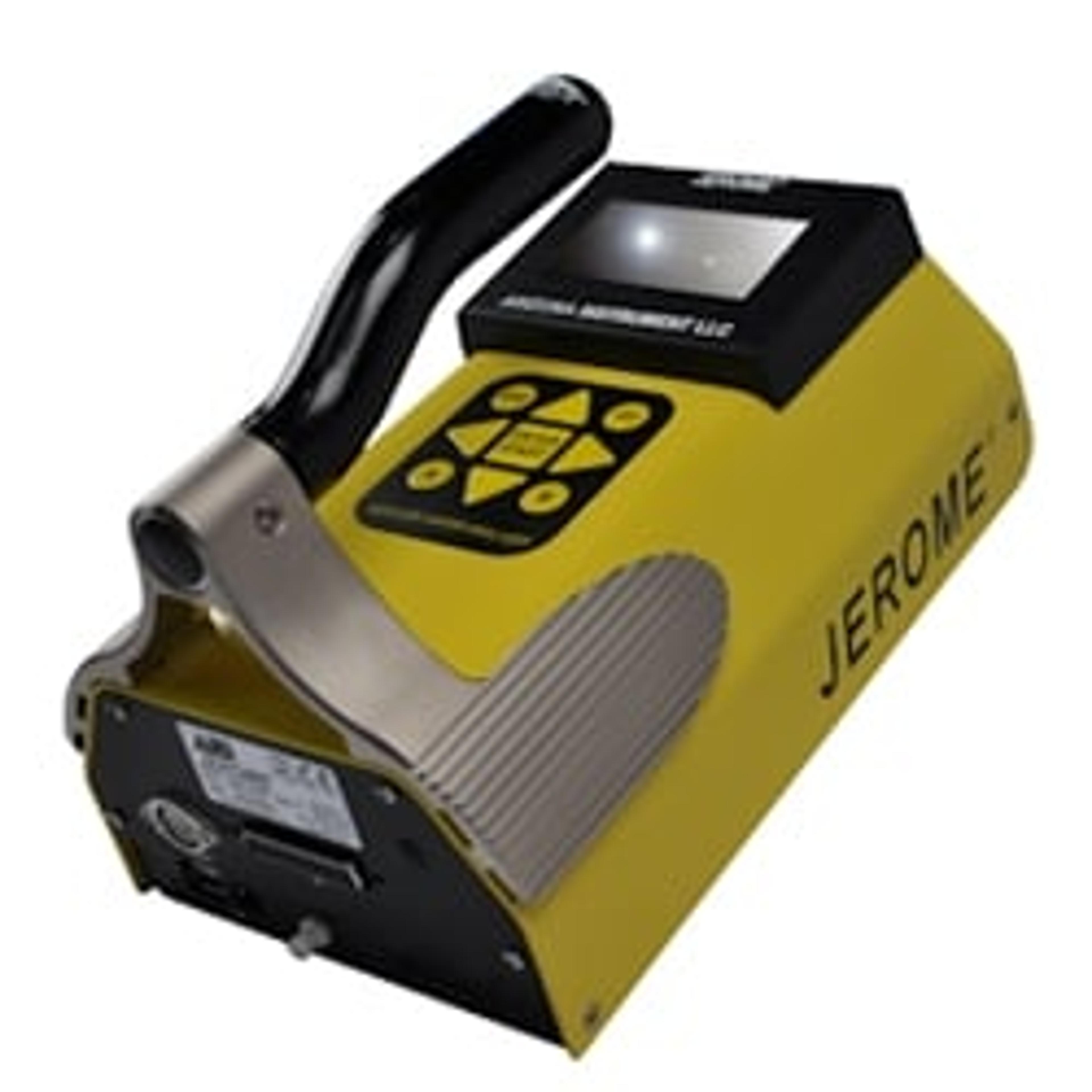
Jerome® J405 Mercury Vapor Analyzer
Arizona Instrument LLCThe AZI Jerome® J405 portable mercury vapor monitor is redefining the portable mercury vapor analyzer market. Significant performance enhancements and modern communications capabilities have been combined to create a new option for mercury spill detection and cleanup analysis. Like its 411 & 431X predecessors, the J405 utilizes the industry-proven, inherently stable and reliable gold film sensor technology and simple, one-button operation. The ergonomically-designed handle, lighter exterior case and significantly lower detection capabilities (0.5 μg/m3) have re-set the bar for portable and easy, low-level mercury detection instrumentation. The larger display, on-board data logging, auto zeroing, and battery-powered sensor regeneration will simplify operation and maintenance in the field. Menu-driven programming, USB data communications and SCADA compatibility via 4-20 ma output further enhance data retrieval, storage and reporting.Applications: Mercury Spill Response & Cleanup Mercury Exclusion Testing Facility Monitoring Source Surveys Hazardous Waste Sites Fluorescent Lamps Disposal & Recycling Worker Safety Landfill Monitoring Exhaust Duct Monitoring Plant Environment Monitoring: light bulbs, mercury switches equipment Fish (Heated)
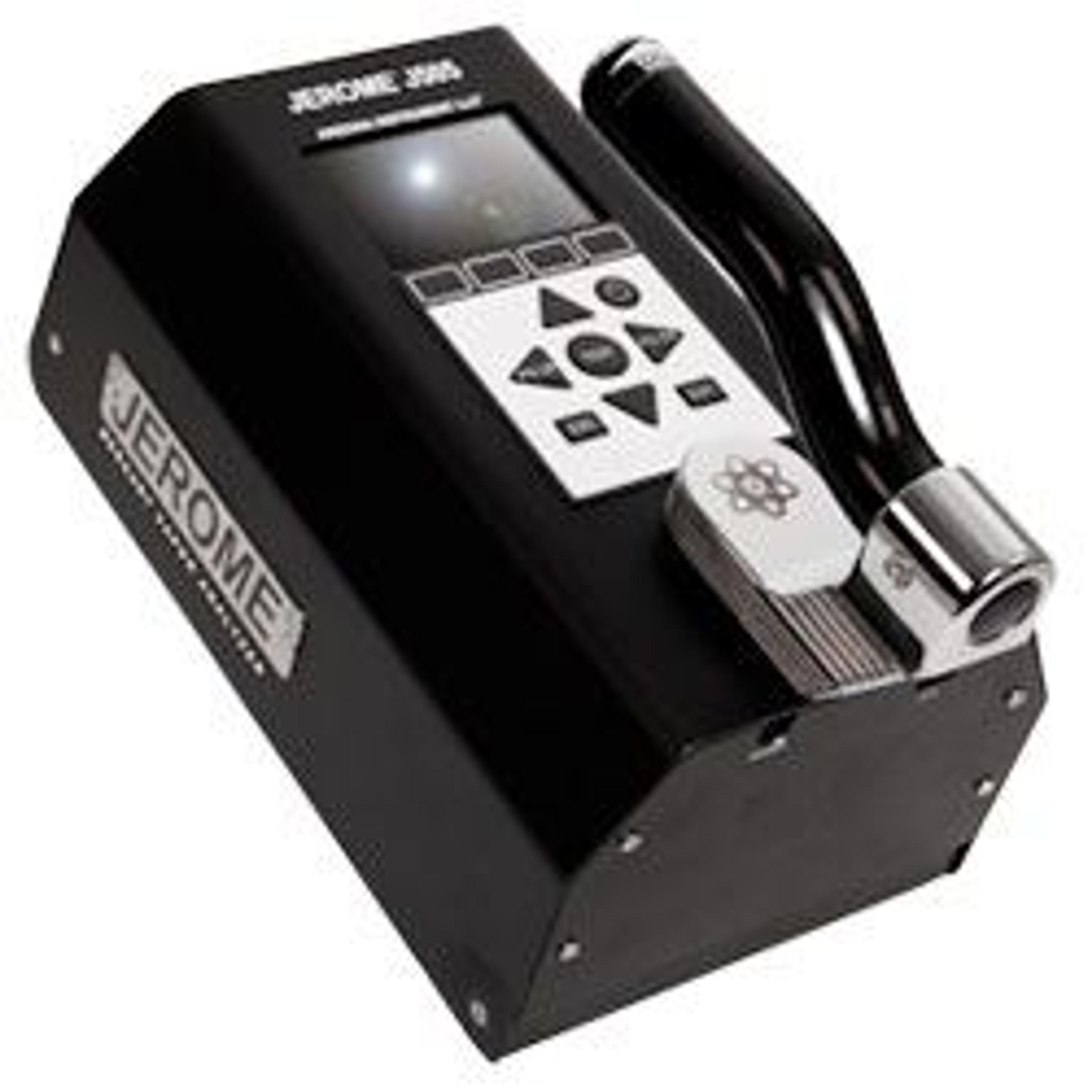
Jerome® J505 Mercury Vapor Analyzer
Arizona Instrument LLCJerome® J505 - Atomic Fluorescence Spectroscopy Mercury Vapor Analyzer The Jerome® J505 Mercury Vapor Analyzer is a portable fluorescence spectroscopy analyzer, which allows the detection cell to be simpler, smaller, lighter weight and more durable than competing spectroscopy instruments. The highly efficient optical cell requires less flow to purge the system, allowing the J505 to run at a lower flow rate minimizing sample dilution as found in competing spectroscopy instruments.Jerome® J505 Features: Meets EPA & ATSDR Cleanup Levels Flexible Data Handling Choice of Two Independently Adjustable High Limit Alarms Programmable Auto Sampling Mode Choice of 3 Units of Measurement (nanograms, micrograms, milligrams) Color Display with Easy to Use Menu System Battery Operation for 10+ Hours | Battery Charges in 3 Hours or Less A USB Keyboard can be used for Easy Entry of Locations (optional) Integrated Data Logging Saves all Test Results (excludes search mode)