Measuring Mitochondrial Function and Glycolytic Flux in 3D Cell Cultures

17 Feb 2016

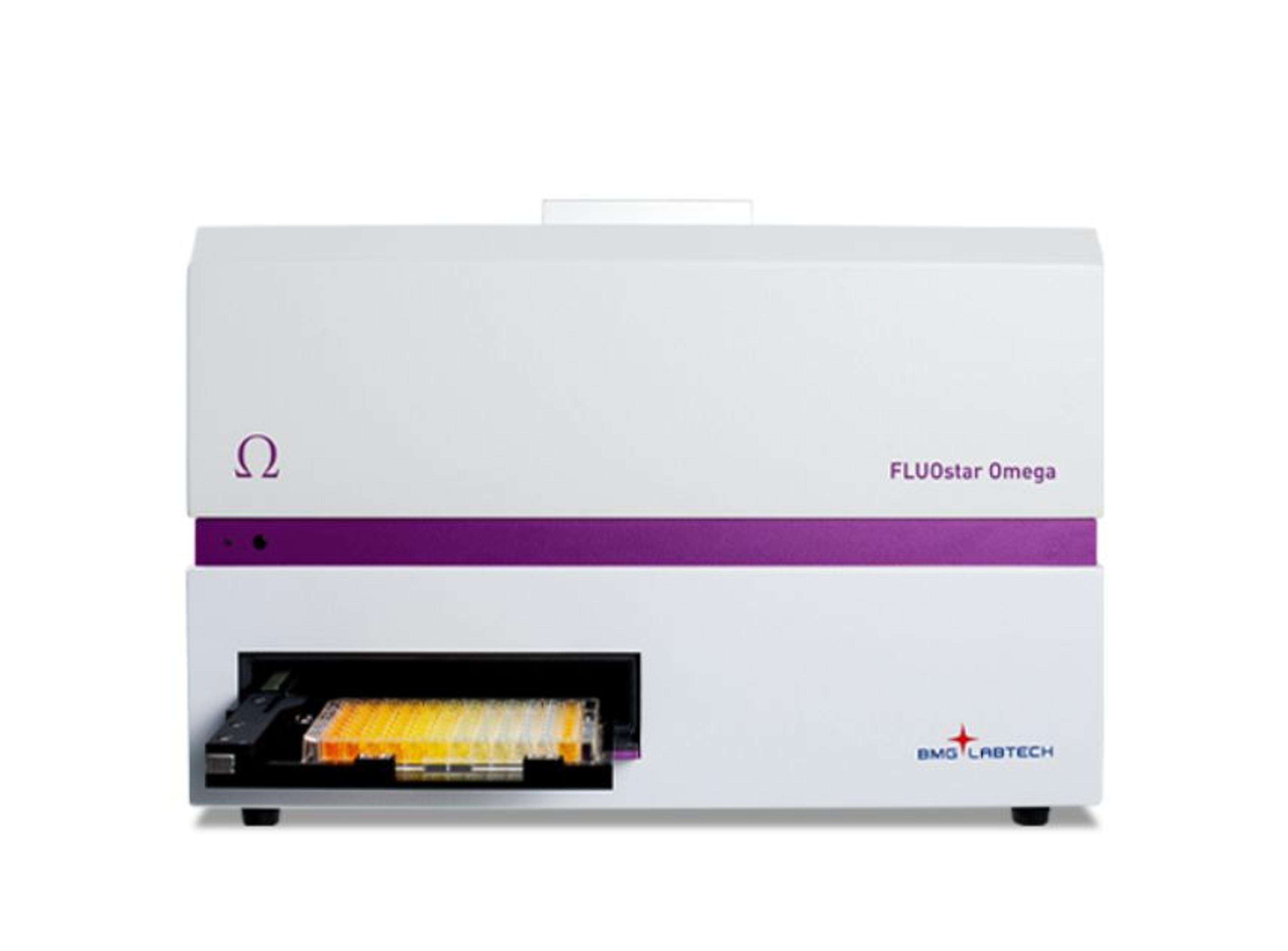
One of the most informative ways to increase the biological relevance of an in vitro assay using 3D cell culture is to measure cell metabolism, whereby perturbed metabolism or mitochondrial function is probed without disrupting the 3D structure. This application note describes use of the FLUOstar Omega microplate reader from BMG LABTECH for the sensitive and high throughput measurement of oxygen consumption and extracellular acidification in 3D cell cultures.

RAFT (Real Architecture for 3D Tissue)

TAP Biosystems

RAFT is a new 3D cell culture system that enables scientists to create complex 3D tissue models in a simple, consistent and reproducible format. RAFT uses physiologically relevant collagen concentrations to create the most natural environment for cells. RAFT enables scientists to create 3D cell cultures in 3 simple steps in less than 1 hour. RAFT can be used to support assay development and secondary screening applications. It can also be used in a broad range of cell biology applications including: stem cell research, oncology research, toxicology and tissue engineering / scaffolds.

(0)

Links

Tags

Cell / Tissue CultureCell culture or tissue culture is used to study the biology of cells or tissues and to isolate cellular products in an environment which can be manipulated and well defined. Accurately control your culture environment with bioreactors or culture incubators, bind your cells to a surface or together with an extracellular matrix. Distinguish cell types with differential media or proliferate cells with certain characteristics using selective media. Enrich your media with supplements such as growth factors, sera and vitamins. Find the best cell and tissue culture products, kits and equipment in our peer-reviewed product directory: compare products, check customer reviews and receive pricing direct from manufacturers.MicroplatesMicroplates are multi-well plates used to increase the throughput of biological investigations. The number of wells microplates contain can range from 6 to 3243 wells, with the 96-well format being the most commonly used. Microplates can come tailored for a range of applications including cell culture, PCR, filtration, storage, non-binding surface, protein crystallization, as well as pre-coated, deep well and normal Standard microplates. Additionally, options for microplate colors include clear , black, white or black with clear bottom and white with clear bottom for absorbance microplate reader applications. Find the best microplates for your lab in our peer-reviewed product directory: compare products, check customer reviews and receive pricing direct from manufacturers.Microplate Readers / DetectorsMicroplate readers are used to automate the detection and analysis of labeled or label-free components in microplates during assays or live-cell monitoring. Microplate readers are generally distinguished by their mode of detection. Types include absorbance, luminescence, fluorescence intensity, fluorescence polarization, TRF / FRET and multimode microplate readers. Microplate readers deliver a high throughput of samples by reading multiple wells simultaneously, with the 96-well format the most commonly used. As a result, microplate readers are often used in the drug discovery, bioassays, research and pharmaceutical industries for screening applications. Microplate loading can also be automated, with robotic microplate stackers to increase throughput. Find the best microplate readers in our peer-reviewed product directory: compare products, check customer reviews and receive pricing direct from manufacturers.Cell-Based AssaysCell-based assays are used to monitor the presence, quantity and activities of a desired cellular analyte including drug molecules or biomarkers. This can reveal information on cell health (apoptosis, cytotoxicity, viability and proliferation assays), cell metabolism, cell migration and cell signaling mechanisms. Find the best cell-based assay products, kits and equipment with our peer reviewed product directory: compare products, check customer reviews and receiving pricing direct from manufacturers.MetabolitesMetabolites are the intermediate and end products of metabolism. Analyzing metabolites offers insight into cellular processes and disease mechanisms and is critical in fields like pharmacology, toxicology, and diagnostics. Explore our peer-reviewed product directory to find the best tools for metabolite analysis, compare products, check reviews, and get pricing directly from manufacturers.Fluorescence Based AssayFluorescence based assays are widely used in life science research and high-throughput screening to measure a broad range of cellular activities.Cell AnalysisThe analysis of cells allows researchers to understand the factors which contribute to cell health and function. These influencing processes can then be predicted and altered, leading to the development of medication and disease treatments.MitochondriaCell BiologyCell biology studies the structure, function, and behavior of cells. Understanding cellular processes is essential for research in areas such as cancer biology, stem cell research, and neurobiology. Techniques like flow cytometry, microscopy, and cell culture enable researchers to explore cellular mechanisms in detail. Browse our peer-reviewed product directory to find the best cell biology tools and equipment, compare products, check customer reviews, and get pricing directly from manufacturers.