Measurement of mitochondrial toxicity using primary hepatocytes

31 Jan 2024

In this application note, Agilent Technologies describes the use of human primary hepatocytes in the context of the Agilent Seahorse XF Mito Tox assay, including assay optimization, validation, and representative data. Mitochondrial dysfunction is known to play a central role in drug-induced hepatotoxicity, and thus early detection of mitochondrial toxicity is a critical component of initial drug development efforts. While immortalized cell lines are widely used for in vitro assessment of hepatotoxicity, cryopreserved primary human hepatocytes are a preferred model for drug safety screening.

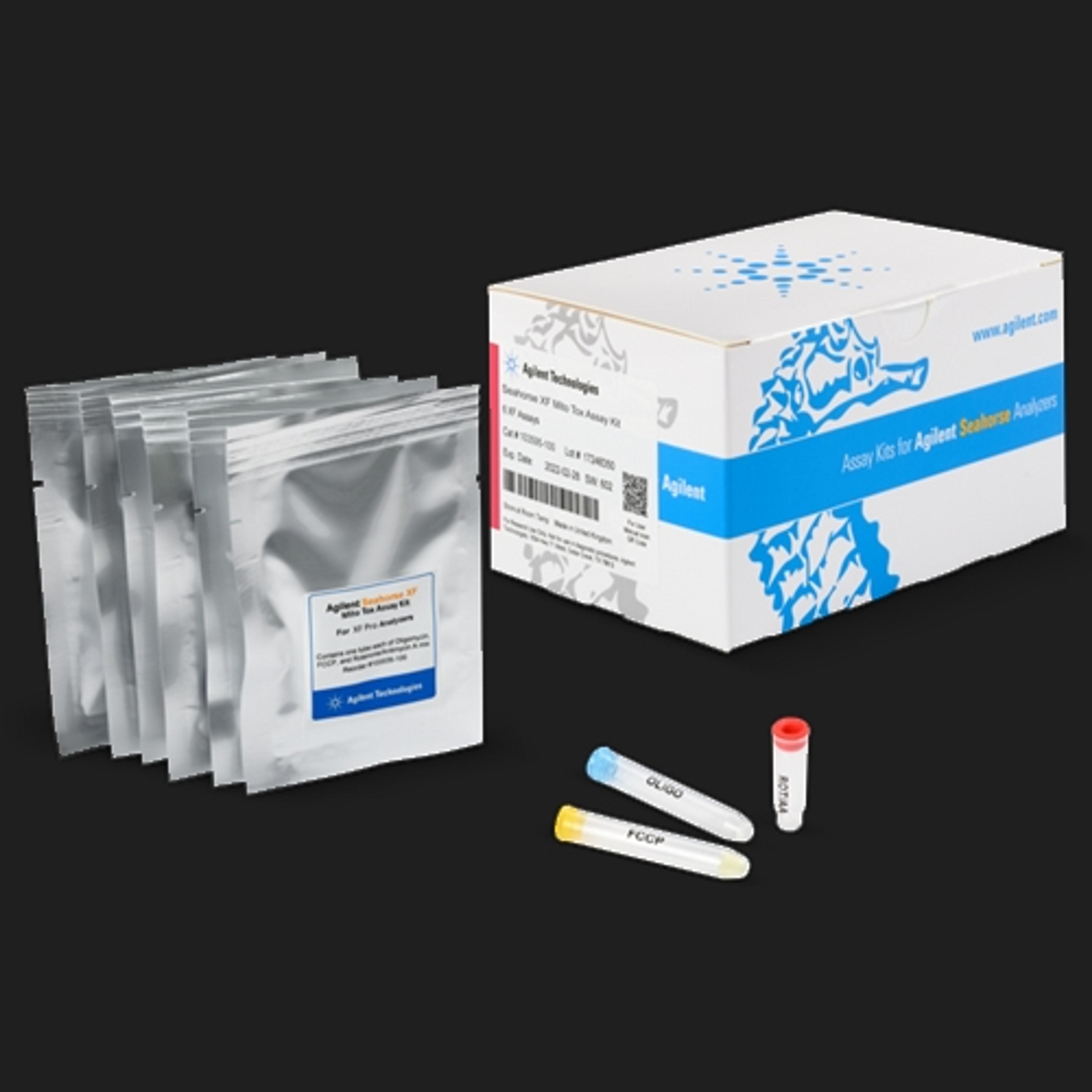
Seahorse XF Mito Tox Assay Kit

Agilent Technologies

The kit is designed to use with Agilent Seahorse XF Pro analyzer for easily identifying drug-induced mitochondrial toxicity, to de-risk your drug pipeline.  It provides high sensitivity and specificity, reducing false positive and false negatives.  It is applicable to screen compound libraries with a throughput of 80 compounds per plate.  Assay performance metrics Z’ of > 0.5 is achievable following our assay workflow. 

(0)

Links

Tags

Sample ManagementSample management systems include sample storage devices such as freezers and plate storers, sample environment enclosures and sample organization, retrieval and sorter systems. Useful system features include high-throughput, automation, robotic arms, automated liquid handling and associated database systems. Accessories in sample management include barcode scanners, heat sealers and tubes.Assay AssemblyAssay Assembly is technique used in drug discovery to develop assays to test the cytotoxicity, genotoxicity, or other activities of a compound on a cell. Assay assembly requires chip assembly, a delivery system and a detection and analysis method. Beneficial features of assay kits or automated systems include high-throughput, high speed and sensitivity and low signal to noise ratio.Microarray AnalysisMicroarrays, also known as biochips, are used for the detection and analysis of multiple genes, proteins, antibodies, or biomarkers on a single microchip. This can reveal information on protein or gene expression, single nucleotide polymorphism (SNP), copy number variation (CNV), epigenetics and patient health in clinical diagnostic tests. Discover a range of microarray scanners and prefabricated antibody, protein, RNA and DNA microarrays for your analysis or consider creating your own custom microarrays with a microarray printer. Find the best microarray products in our peer-reviewed product directory: compare products, check customer reviews and receive pricing direct from manufacturers.Cell-Based AssaysCell-based assays are used to monitor the presence, quantity and activities of a desired cellular analyte including drug molecules or biomarkers. This can reveal information on cell health (apoptosis, cytotoxicity, viability and proliferation assays), cell metabolism, cell migration and cell signaling mechanisms. Find the best cell-based assay products, kits and equipment with our peer reviewed product directory: compare products, check customer reviews and receiving pricing direct from manufacturers.In VitroIn vitro refers to experiments conducted outside living organisms, often in controlled lab environments such as petri dishes or test tubes. In vitro models are widely used in drug testing, cell biology, and disease research. Explore in vitro research tools in our peer-reviewed product directory; compare products, check reviews, and get pricing directly from manufacturers.MitochondriaAssay DevelopmentThe process of proving an assay to be sensitive with respect to the target is known as assay development. The assay should be able to characterize novel compounds and measure the potency of these compounds against a validated biological target.Hepatocytes
Measurement of mitochondrial toxicity using primary hepatocytes