
Maximize throughput with multichannel liquid chromatography
8 Jan 2020Download this applications guide to perform fast, efficient LC-MS/MS clinical analysis using multichannel LC and online sample technologies.
With traditional single-channel LC-MS systems, the mass spectrometer lies idle for significant periods of time as the samples are processed sequentially.
These methods do not utilize the detector during early and late parts of the chromatographic gradient, column wash and equilibration steps, reducing efficiency, increasing time and cost per sample.
In the eBook, we present the key benefits of using multichannel and online sample technologies in LC-MS systems to maximize throughput, and cover:
- Quantitative analysis using two-channel LC-MS
- Liquid chromatography-tandem mass spectrometry
- Targeted forensic screening
- Development of an SPLC/MS/MS method
- TurboFlow chromatography
Related products
Request Quote for All Products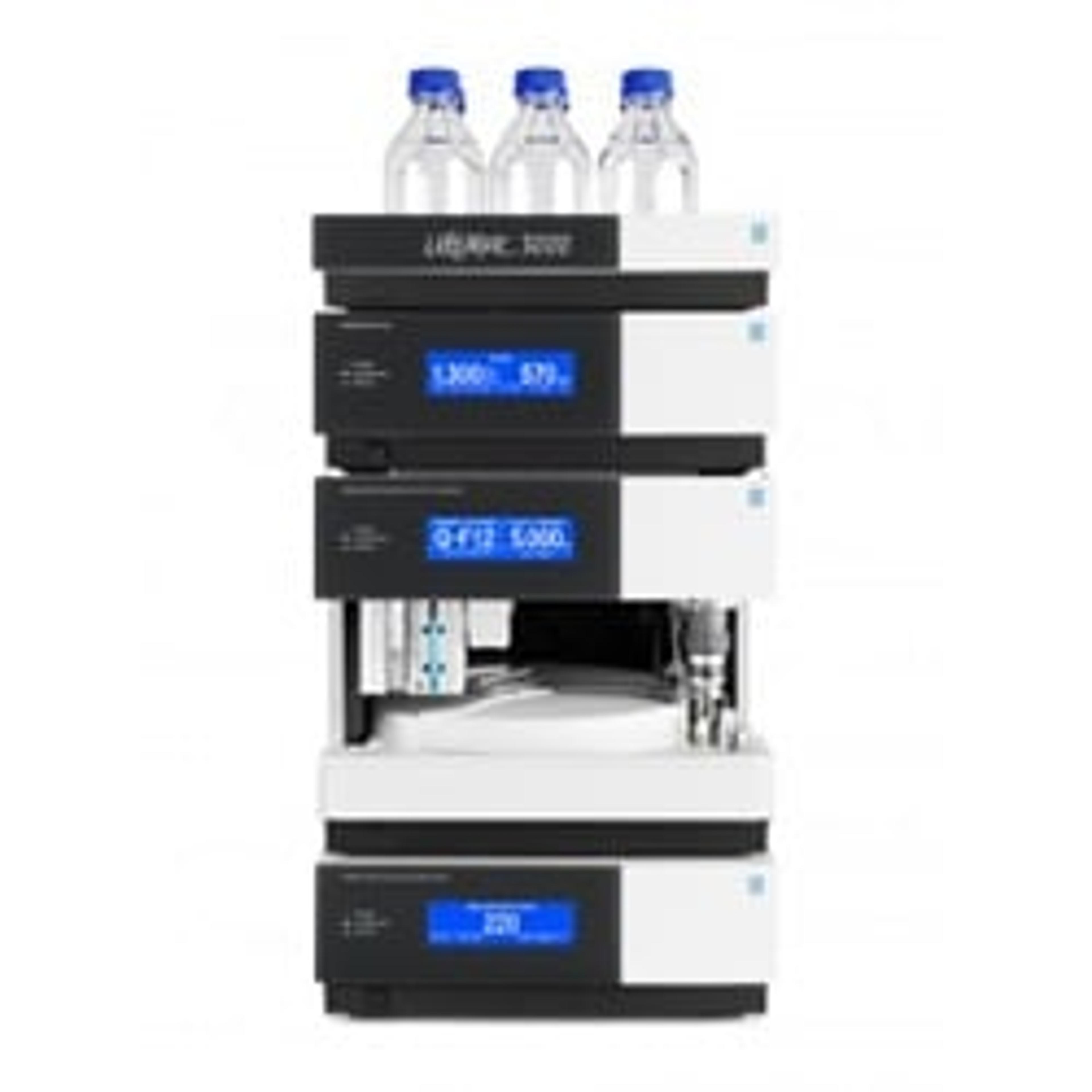
Thermo Scientific™ UltiMate™ 3000 UHPLC system
Thermo Fisher ScientificThe Thermo Scientific™ UltiMate™ 3000 HPLC system offers UHPLC compatibility across all modules, ensuring maximum performance. Covering flows from 20 nL/min to 10 mL/min and offering a wide range of pumping, sampling, and detection modules, the UltiMate 3000 series provides solutions for all your chromatography needs. UltiMate 3000 HPLC system Features & Benefits: UHPLC design for all nano, standard analytical, and RSLC systems. 620 bar maximum pressure for basic and standard analytical systems—setting a new benchmark in HPLC. x2 Dual Systems form a unique platform for routine analysis, increased productivity solutions, and advanced chromatographic techniques. Systems are controlled using Thermo Scientific™ Chromeleon™ Chromatography Data System software—providing Intelligent Functionality and Operational Simplicity™. Systems are offered with Thermo Scientific™ Viper™ and Thermo Scientific™ nanoViper™ fitting systems—fingertight, zero-dead-volume connections even at UHPLC pressures.