
Making the impossible possible: Platform and protocols to develop clonal iPSC derived organoids
30 Aug 2023Lack of relevant in vitro models of human neurodevelopmental and degenerative disorders has been alleviated with the advancements in induced pluripotent stem cells (iPSCs) and organoid technology. In the last decade, several protocols and commercial kits have been launched to help differentiate iPSCs into multicellular, neuronal organoids that closely resemble human brain development, including region-specific cellular composition and functional physiology. However, the adoption of these organoid models is still limited to relatively low throughout applications, as the workflows are hampered by challenges in reproducibility and scalability, as well as being manually intensive. Here, Cell Microsystems reports the use of the CellRaft® Technology, to develop and enable streamlined, reproducible organoid workflows that offer reliable imaging, software-guided selection, and automated isolation of single organoids for downstream applications.
Related products
Request Quote for All Products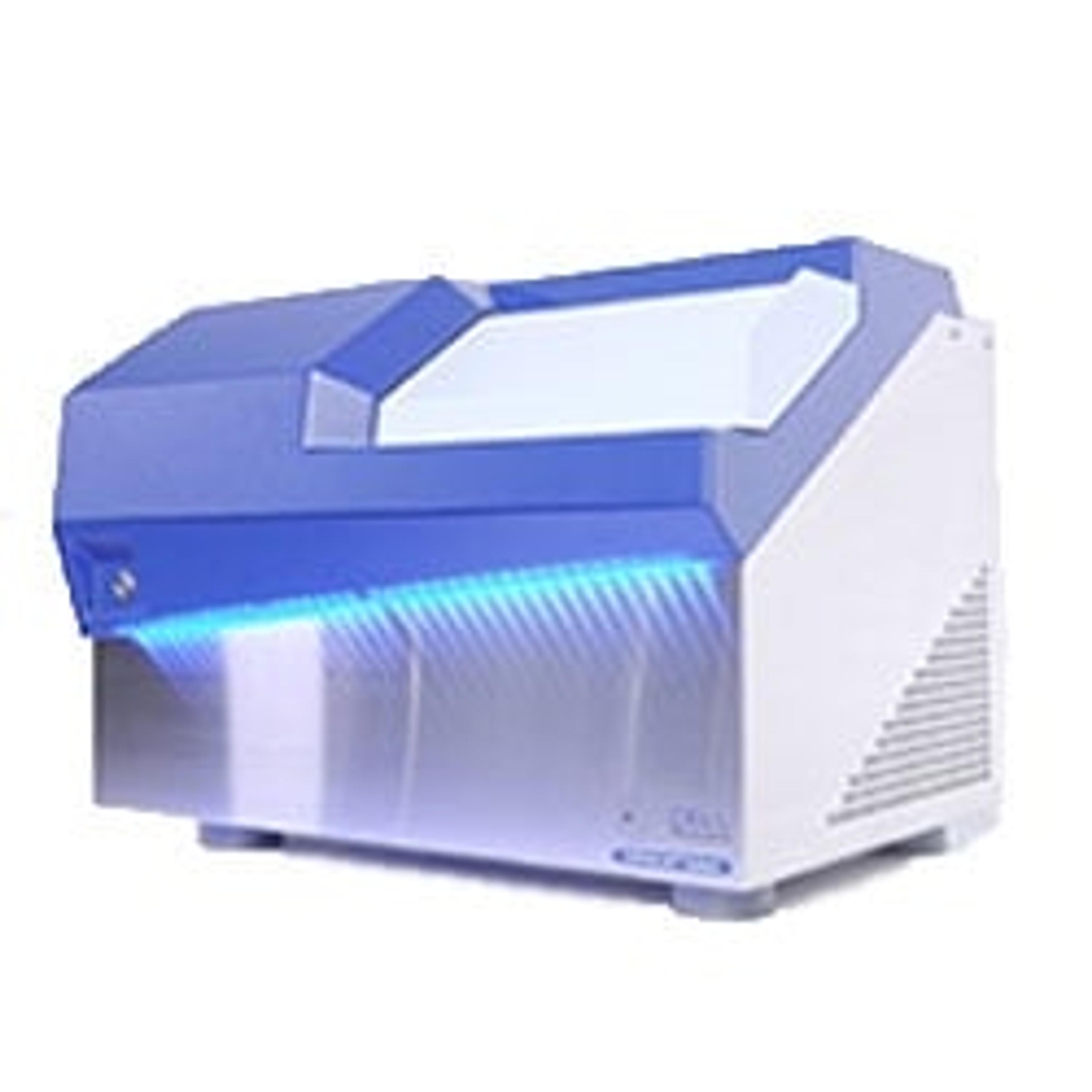
CellRaft AIR System
Cell MicrosystemsEmpowering the generation and automated isolation of monoclonal colonies from single cells