
Lipid Cubic Phase: Drop Setting, Condition Screening and Imaging
10 May 2017Integral membrane proteins are arguably the most important class of proteins in terms of their role in cellular interactions and their associated significance in disease pathways. Lipidic Cubic Phase (LCP) has emerged as an effective medium for crystallizing membrane proteins. The current pace of adoption of LCP-based methods has increased substantially, in spite of the steep learning curve associated with their implementation. This application note will discuss the three major steps of LCP crystallization and how automation technology is significantly facilitating the use of this powerful methodology.
Related products
Request Quote for All Products
ROCK MAKER®
FORMULATRIX®, Inc.One Software for Your Entire Protein Crystallization Workflow One protein crystallization software to manage the entire experimentation process, from design and dispense to image viewing and analysis. ROCK MAKER® is a Laboratory Information Management System (LIMS) that is there every step of the way, with powerful yet easy-to-use tools that help you get the results you need quickly.

ROCK IMAGER®
FORMULATRIX®, Inc.Crystal Clear Imaging. Unparalleled Speed. ROCK IMAGER ® - Crystallization Imagers are a series of automated imaging systems designed for protein crystallization screening. Capture superior quality images of your protein drops while learning critical information about your crystals. ROCK IMAGERs are available with various plate capacities and imaging features, so there is a model to fit every lab's budget and workflow.
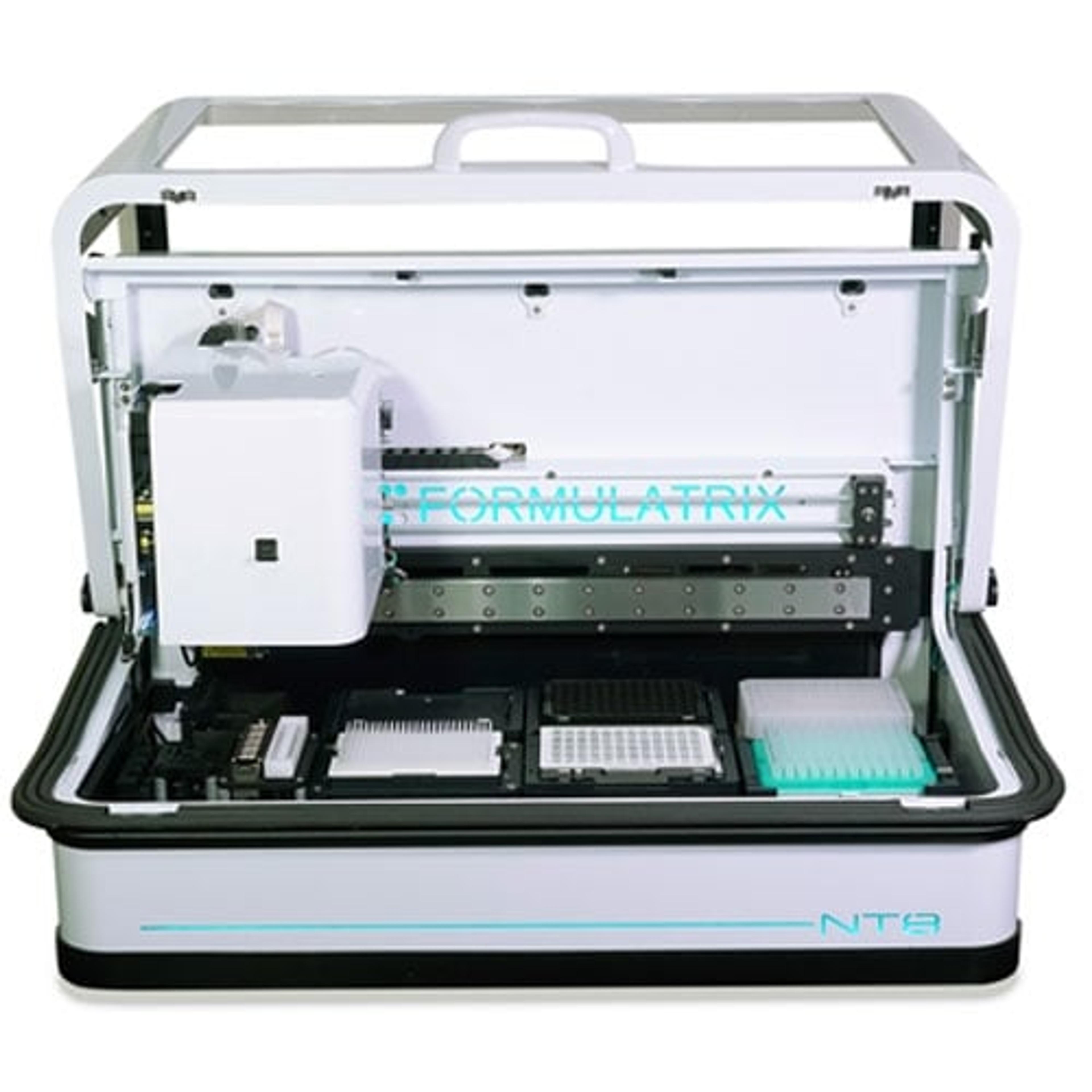
NT8® v4
FORMULATRIX®, Inc.Reliable Drop Setting: Reduce Costs + Increase Reproducibility The NT8 ® - Drop Setter/Crystallization Robot is a fast, nanoliter-volume liquid handler with drop dispensing capability, including setting drops for Lipidic Cubic Phase (LCP) experiments. The 8-tip head aspirates and dispenses drops from 10 nL to 1.5 μL.