ResourceSpectroscopy

Laser Microdissection - A Key Technology for Targeted Therapy in Lung Cancer

4 May 2018

Laser capture microdissection (LCM) of rare tumor cells and new sequencing technologies are invaluable tools to identify single molecular events that are highly specific to malignant cells. The white paper below describes the mechanism of LCM and how it can be used for personalized cancer therapies.

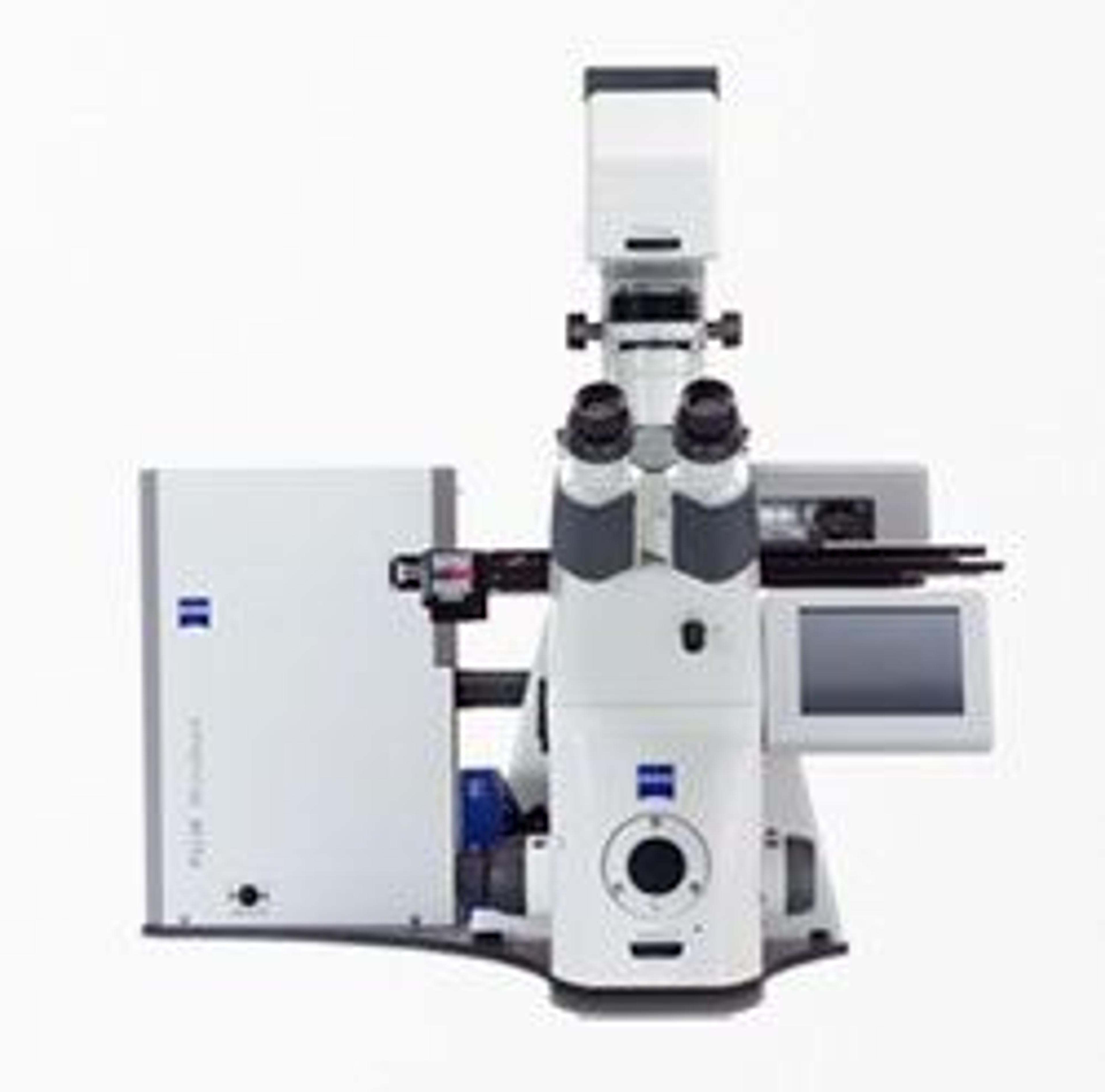
ZEISS PALM MicroBeam

ZEISS Research Microscopy Solutions

PALM MicroBeam uses a patented process to capture even the most demanding specimens – from cryosections, FFPE materials, native tissue like fresh plants, live cells and chromosomes – without contamination. The complete workflow for your laser microdissection research PALM MicroBeam makes isolating uncontaminated source material simple. Precise detection, laser microdissection and patented laser transport allow you to obtain the homogenous analysis material necessary for meaningful scientific results. Because analyses of gene expression patterns rely on exactly-separated analytical material, unwanted cells may alter your results and conceal the signals of the relevant cells. PALM MicroBeam prevents this by allowing you to define cells and tissue regions precisely, ensuring your results are exact and reproducible. Highlights of this technology • Suitability for laser microdissection and analysis for DNA, RNA and protein isolation – from archive material or live cells • A system that completes the step from laser-microdissection to integrated imaging workstation • Applicable to cryosections and FFPE tissue • Performing LCM even from standard glass slides • Extendibility – add digital cameras from the AxioCam camera range • Ability to integrate additional components into MicroBeam and create simple workflows, for individual experiments or automation with flexible collectors • Calibration routines that allow you to easily adjust MicroBeam for laser parameters appropriate to your chosen specimen

(2)

Links

Tags

Sample PreparationSample preparation can improve the quality and speed of separation techniques. Products to assist sample preparation include filtration equipment, evaporators, membranes and sieves.Cell / Tissue CultureCell culture or tissue culture is used to study the biology of cells or tissues and to isolate cellular products in an environment which can be manipulated and well defined. Accurately control your culture environment with bioreactors or culture incubators, bind your cells to a surface or together with an extracellular matrix. Distinguish cell types with differential media or proliferate cells with certain characteristics using selective media. Enrich your media with supplements such as growth factors, sera and vitamins. Find the best cell and tissue culture products, kits and equipment in our peer-reviewed product directory: compare products, check customer reviews and receive pricing direct from manufacturers.Cellular PathologyCellular Pathology deals with the microscopic analysis of tissue samples and cells. Sample preparation and processing includes fixation, staining, sectioning and slide mounting, using equipment such microtomes and cryostats. In choosing immunohistochemistry and immunocytochemistry kits, consider chromogens, staining method, antibodies, microscopes and imaging.Point-of-CarePoint-of-Care Testing (POCT) or Near Patient Testing (NPT) products are available for urine, blood and other clinical chemistry analyses. POCT includes: blood glucose testing, blood gas and electrolytes analysis, rapid coagulation testing (PT / INR), rapid cardiac markers diagnostics, drugs of abuse screening, urine strips testing, pregnancy testing, fecal occult blood analysis, food pathogens screening, hemoglobin diagnostics, infectious disease testing and cholesterol screening.Personalized medicinePersonalized medicine refers to the idea of customized healthcare, where medical decisions and treatments are tailored to the individual patient. Molecular diagnostics, companion diagnostics and Next Generation Sequencing (NGS) play a pivotal role in this approach.Cell AnalysisThe analysis of cells allows researchers to understand the factors which contribute to cell health and function. These influencing processes can then be predicted and altered, leading to the development of medication and disease treatments.Histology ProcessingTumorsTumor research focuses on understanding abnormal cell growth that leads to cancer. Identifying biomarkers, studying tumor microenvironments, and developing targeted therapies are critical for advancing cancer treatment. Early detection and personalized treatment options are key to improving outcomes for patients. Browse our peer-reviewed product directory to explore tools for tumor research, diagnostics, and cancer therapies; compare products, read customer reviews, and get pricing directly from manufacturers.