
Interrogating 3D versus 2D cellular models in drug discovery
19 Jul 2021A current goal in cancer research is to expand the arsenal of quantitative assays that can be used to characterize and interrogate cellular functions in 3D models.
In this application note, Thermo Fisher Scientific highlights how its existing microplate assays can be used to quantify functional differences between 2D and 3D cellular models and provide a time- and cost-efficient method for understanding therapeutic effects on 3D cellular models.
Related products
Request Quote for All Products
Fluorescence Microplate Assays
Thermo Fisher ScientificCombining the sensitivity of a fluorescence-based assay with a microplate format enables a rapid, quantitative readout suitable for high-throughput analysis. In a microplate well, the fluorescent signal can be generated within whole cells, in cell lysates, or in purified enzyme preparations and may then be analyzed by measuring fluorescence intensity from the well without the need for cellular imaging.
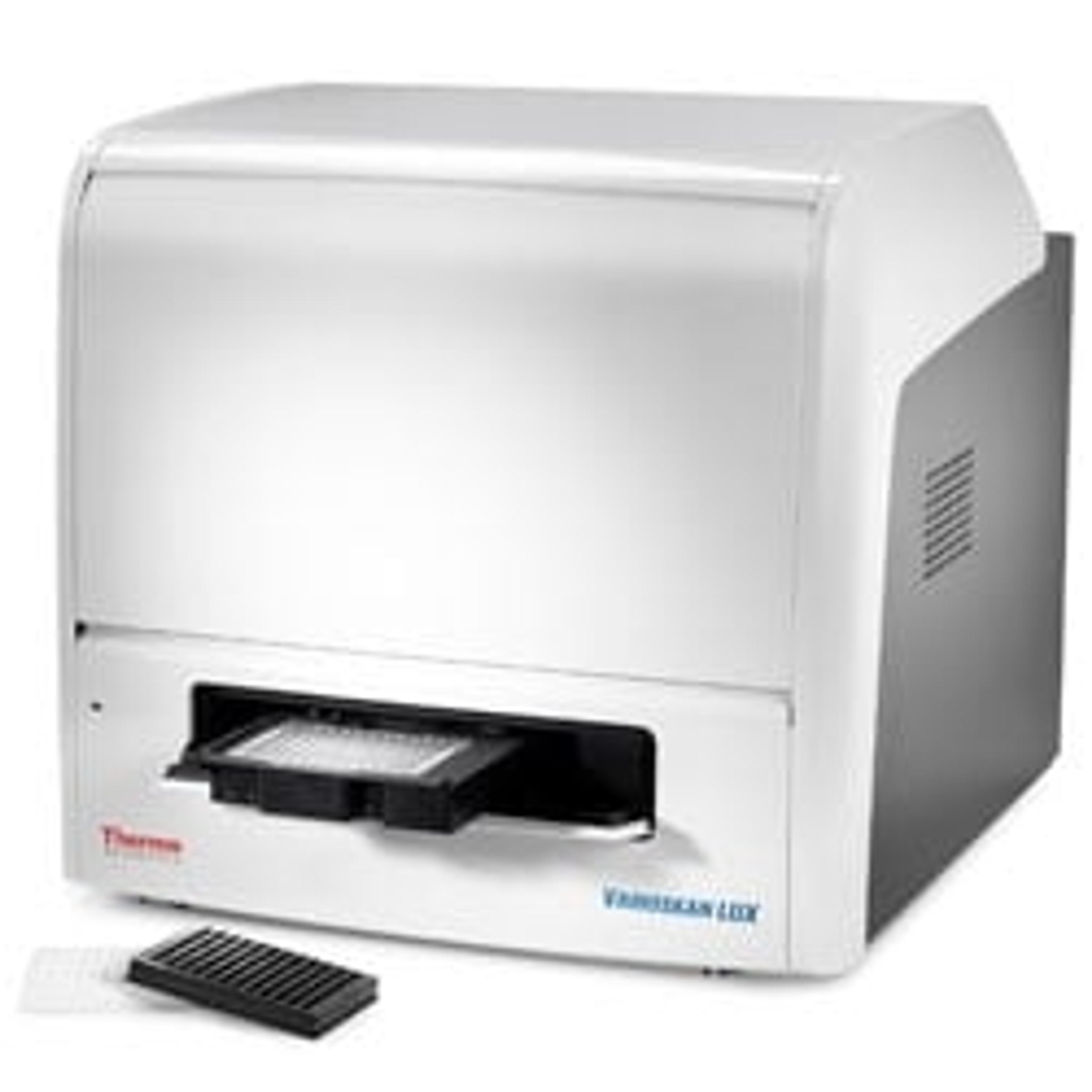
Thermo Scientific™ Varioskan™ LUX Multimode Microplate Reader
Thermo Fisher ScientificTop-of-the-line modular and upgradeable multimode reader with up to five detection technologies. Experience simplified versatility with powerful, intuitive Thermo Scientific SkanIt Software