Innovations transforming microplastic detection

6 Sept 2024

Carrie Haslam
Associate Editor
Innovations transforming microplastic detection

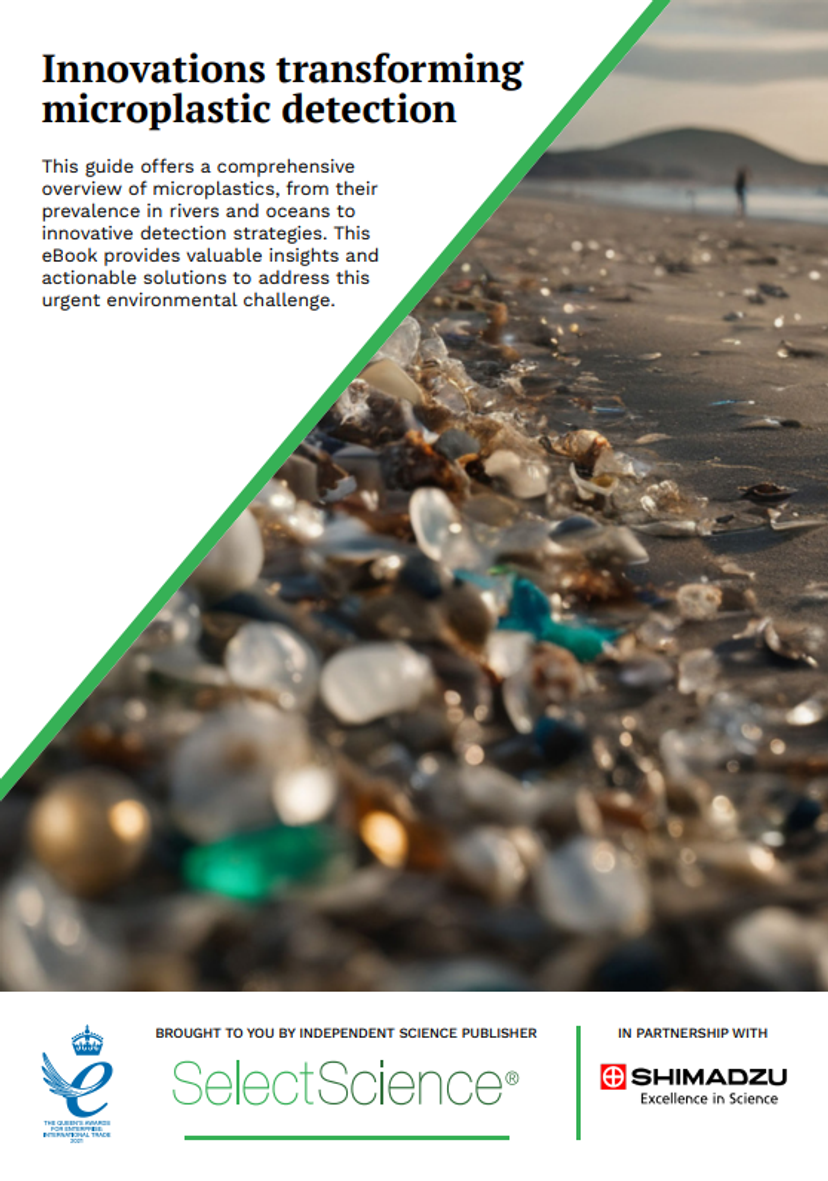
Microplastics, defined as plastic particles smaller than 5 mm, are categorized into primary and secondary types. Primary microplastics are intentionally manufactured for industrial and consumer products, while secondary microplastics arise from the degradation of larger plastics in the environment. The widespread presence of both types in ecosystems, particularly aquatic ones, has raised concerns due to their potential ecological impacts and risks to human health through bioaccumulation.

As research on these risks intensifies, this expert eBook provides a detailed exploration of microplastics, their distribution in water bodies, and advanced detection methods, offering crucial insights and solutions to this environmental challenge.

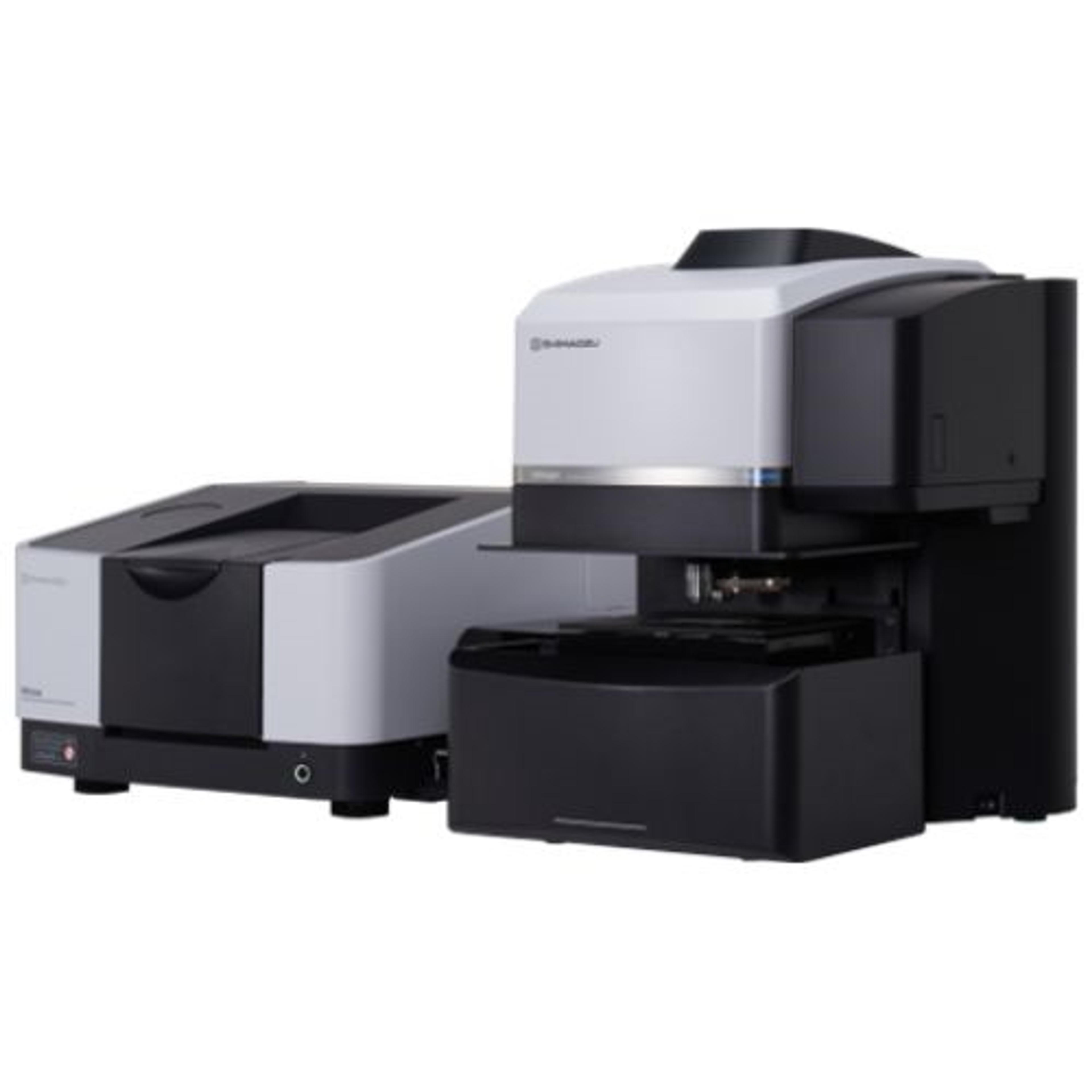
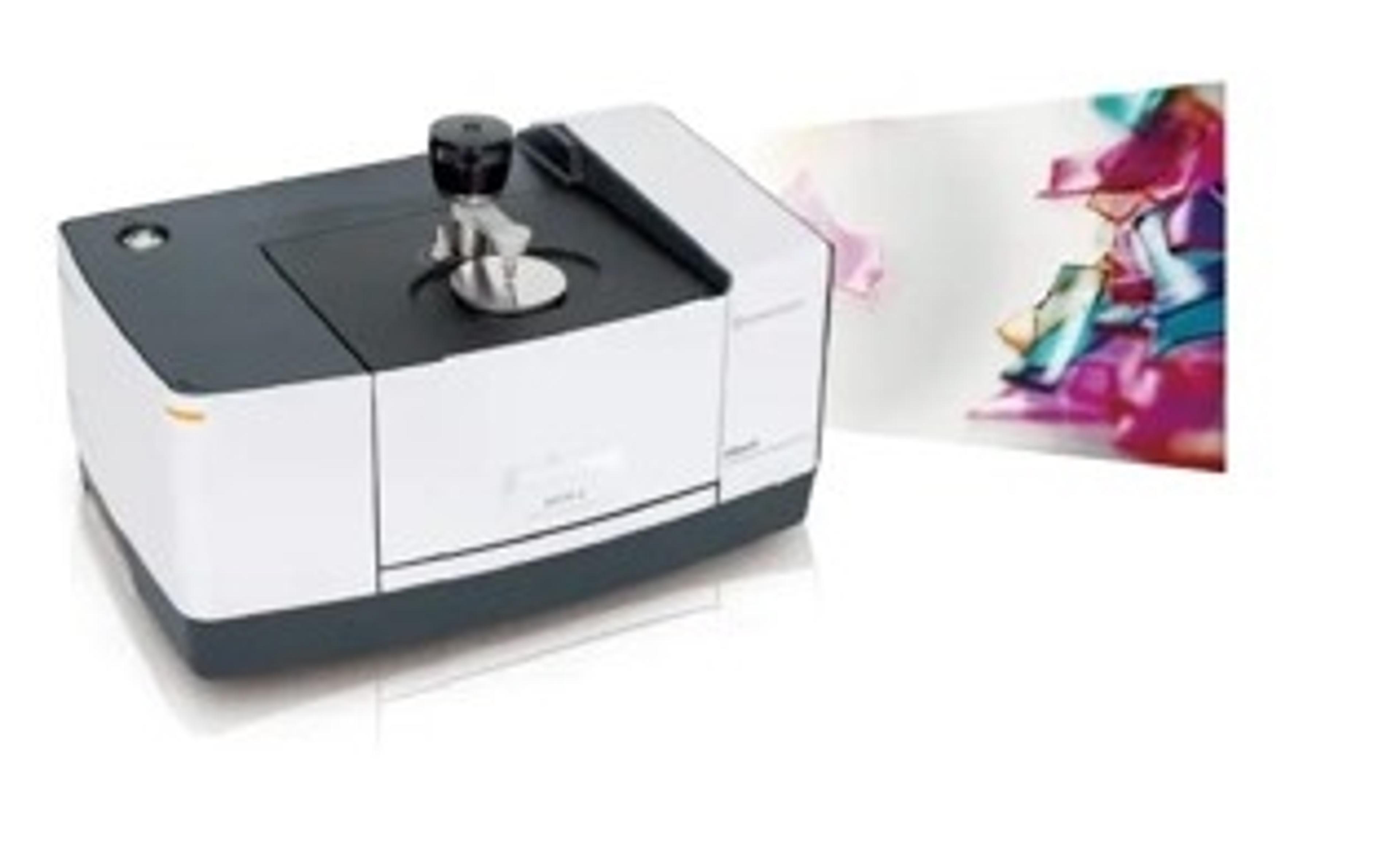
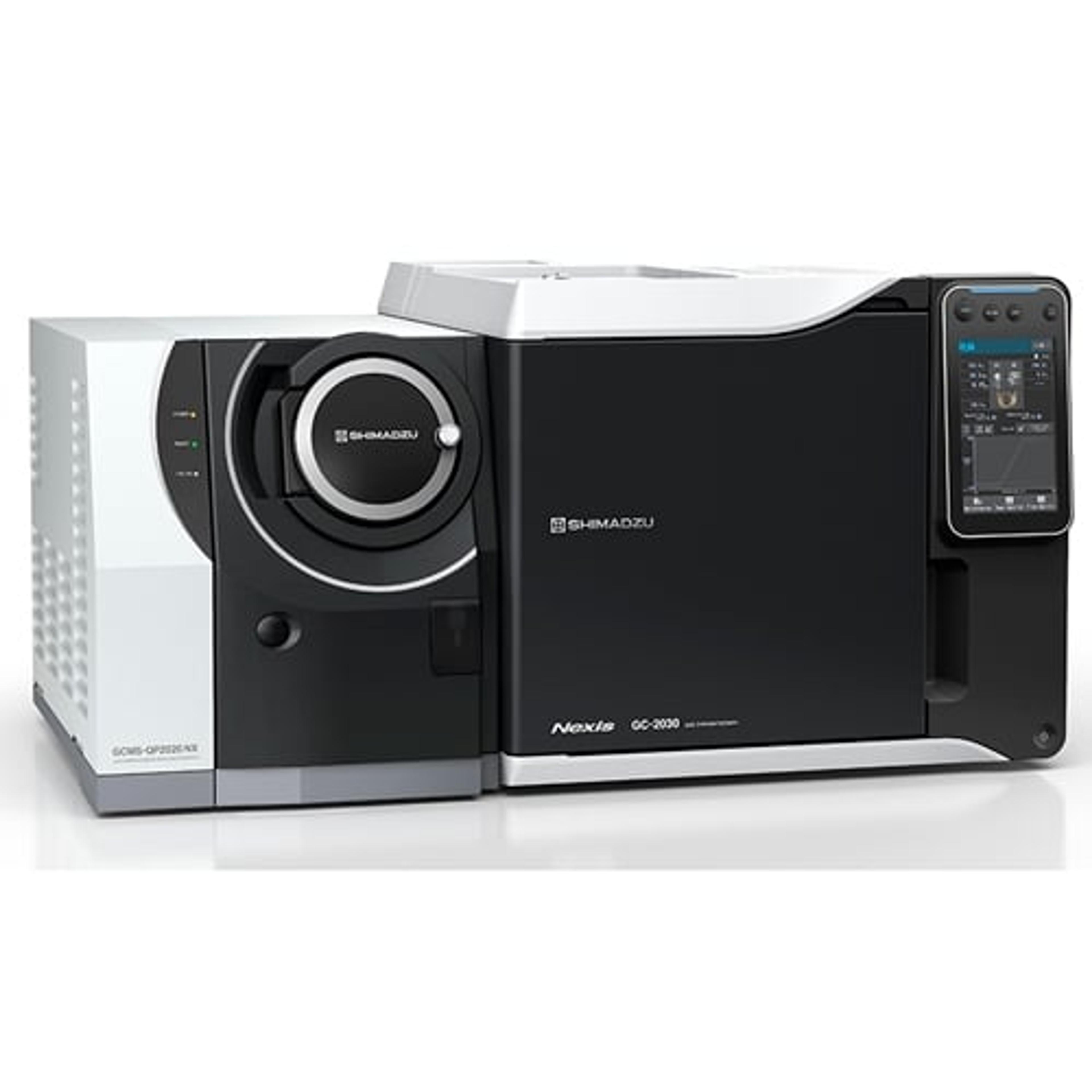
This eBook also includes various case studies showcasing Shimadzu Corporation’s cutting-edge analytical technologies in characterizing microplastics. As a member of the ISO Commission, find out how Shimadzu plays a key role in microplastics analysis and in standardizing analytical methods.
Links

Tags

GC-MS GC-MS (gas chromatography-mass spectrometry) instruments and equipment are used to separate, quantify and identify mixtures of small and volatile compounds, such as polycyclic aromatics, fatty acids and alcohols. Often used in drug detection, forensic investigation and environmental analysis for pesticides and contaminants, GC-MS is a powerful addition to your lab’s analytical capabilities. GC-MS/MS instruments equipped with a qTOF or triple quadrupole analyzers can give greater sensitivity and resolution to your analysis. Find the best GC-MS instruments and equipment in our peer-reviewed product directory: compare products, check customer reviews and receive pricing direct from manufacturers.Infrared / IR SpectroscopyInfrared (IR) spectroscopy measures the interaction of infrared light with a sample, including transmission, reflectance & absorbance, facilitating the identification of analytes. Equipment used for quantitative analysis includes Fourier-transform infrared (FTIR) spectrometers, infrared cameras, FTIR gas analyzers, as well as attenuated total reflectance (ATR) accessories and pellet or film presses. Find the best IR spectroscopy products in our peer-reviewed product directory: compare products, check customer reviews and receive pricing direct from manufacturers.Raman SpectroscopyRaman spectroscopy is used to discern the vibrational and rotational states of molecules and hence the chemical composition of a sample by measuring the inelastic scattering of monochromatic light. Explore a range of Raman spectrometers, including handheld/portable Raman spectrometers for QC/QA labs and in situ spectrometers for processes. Conduct Raman imaging for microanalysis of mixed samples using a Raman microscope. Raman spectrographs are also available. Find the best Raman spectroscopy products in our peer-reviewed product directory: compare products, check customer reviews and receive pricing direct from manufacturers.UV-Visible SpectroscopyUltraviolet-visible (UV-Vis) spectrophotometers are used to measure the interaction of UV and visible light with a sample, including transmission, reflectance & absorbance. The two major instrument classes are single-beam or double-beam spectrophotometers. More specialized equipment includes colorimeters, spectroradiometers and refractometers. Portable and microvolume spectrophotometers are also available. For the modular spectroscopy lab, explore a range of light sources for combination with a spectrograph/spectrometer and optics. Find the best UV-Vis spectroscopy products in our peer-reviewed product directory: compare products, check customer reviews and receive pricing direct from manufacturers.PFASPlasticsDetection LimitsOcean ScienceToxicityToxicity is defined as the degree to which a substance can harm humans or animals. It is essential to study the toxicity of pharmaceutical products during the development process so that optimum dosage can be established for the administration of the drug.Imaging MicroscopeSpectrophotometrySpectrophotometry is a technique used to measure the absorption or transmission of light through a sample. It is commonly used in chemical analysis, environmental monitoring, and quality control. Explore spectrophotometry tools in our peer-reviewed product directory; compare products, check reviews, and get pricing directly from manufacturers.