
Increasing efficiency and cell viability when reprogramming somatic cells to iPSCs
31 Aug 2023In this poster, Cell Microsystems shows how to increase efficiency and cell viability when reprogramming somatic cells to iPSCs. Patient-specific induced pluripotent stem cells (iPSCs) are a valuable resource in the development of models for studying unique disease or drug responses. Donor somatic cells are reprogrammed into iPSCs then differentiated into target cells for treatment or testing purposes. However, reprogramming has low efficiency (<1%), instability of pluripotency, and higher chance for mutations. Reprogramming is long, labor intensive and manual, and requires additional screening to derive a monoclonal population. The CellRaft® Array offers a more biological culture environment by providing flask-like culture conditions combined with single-cell segregation for tens of thousands of cells per consumable. The CellRaft AIR® Technology has the ability to accelerate reprogramming by improving efficiency, automation, and cell viability.
Related products
Request Quote for All Products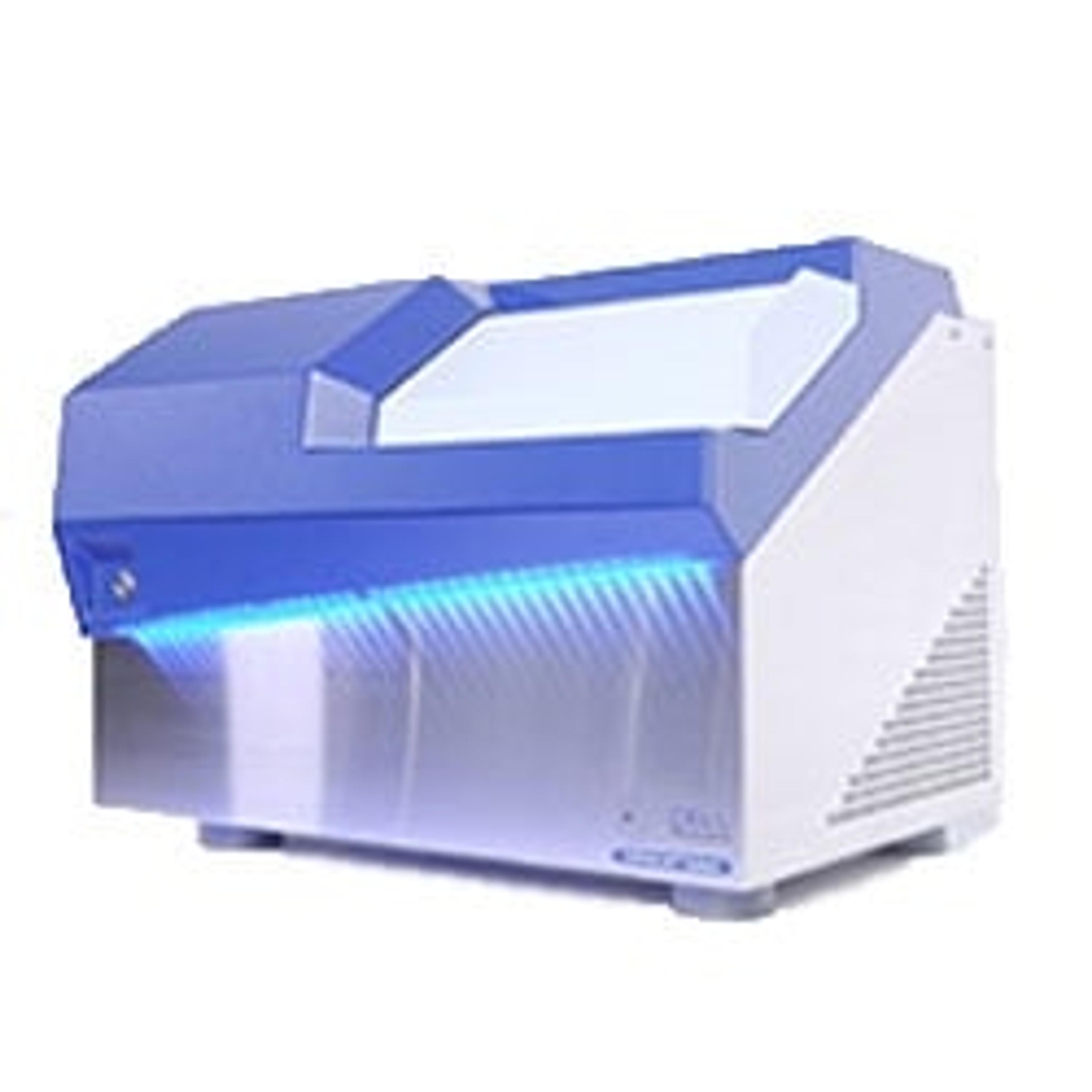
CellRaft AIR System
Cell MicrosystemsEmpowering the generation and automated isolation of monoclonal colonies from single cells