
ResourceLife Sciences
Improving yield and reproducibility with advanced sample prep
9 Nov 2023Obtaining nucleic acids or proteins from diverse, challenging biospecimens—such as low quality or small sample sizes—can pose a significant hurdle. This is especially critical as the rise of different -omics techniques requires researchers to seek the best ways to efficiently achieve high-quality sample preparation.
New technology streamlines this process and allows researchers to obtain reproducible, scalable results, and gain novel insights into human health and disease.
Download this ebook from Covaris to learn:
- The utility of different -omics methods, from genomics to proteomics
- How to reliably extract nucleic acids and proteins from challenging samples
- How to streamline -omics experiments with Adaptive Focused Acoustics® technology
Related products
Request Quote for All Products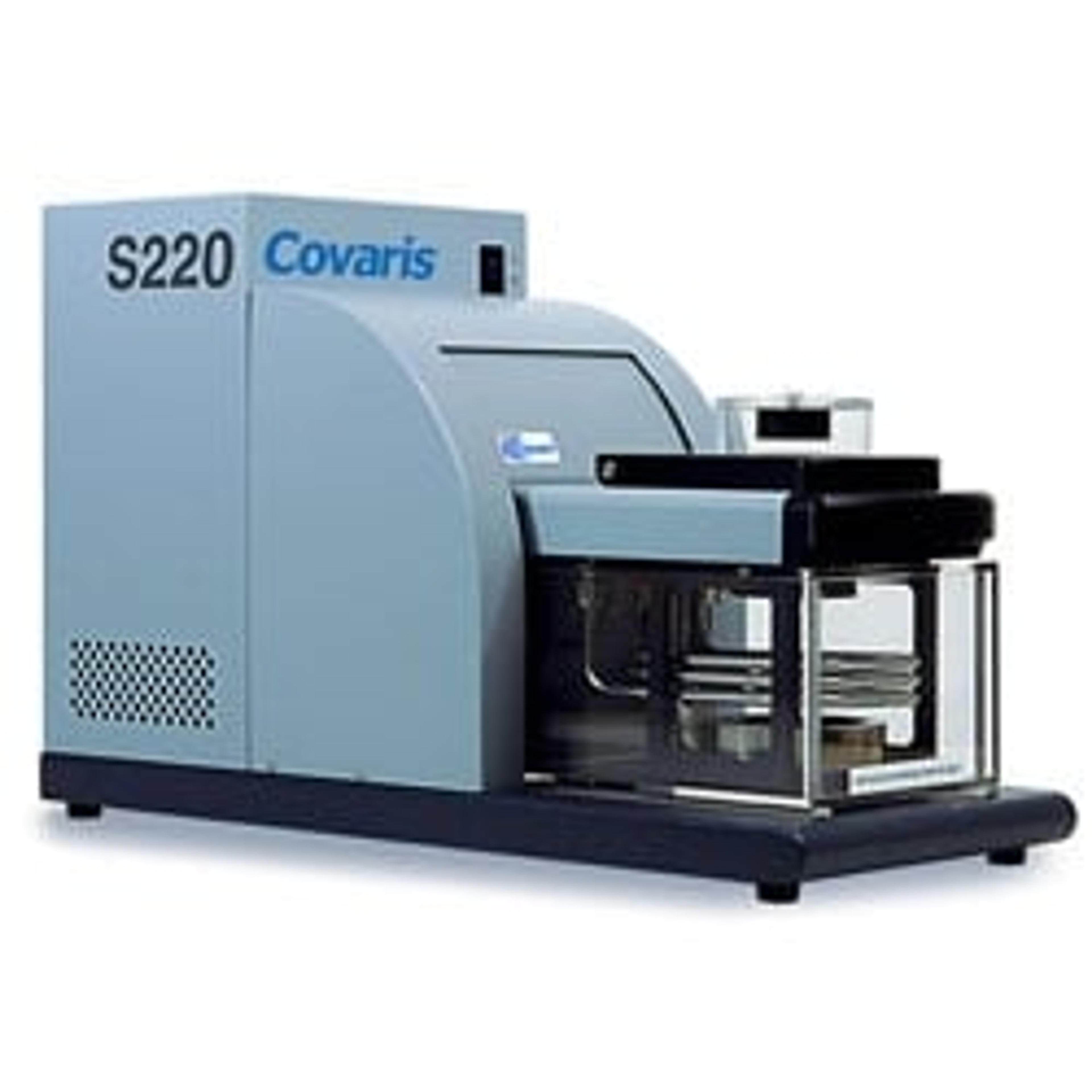
Links
Tags
Genome AnalysisGenomics, the study of genomes, includes functional genomics, evolutionary genomics and comparative genomics. There are many genomic technologies such as DNA sequencing of whole genomes, computational biology and bioinformatics. DNA and nucleic acids must be isolated and concentrated from cells for analysis with kits, automated analyzers and software. Other useful technologies for studying genomics include PCR, microarrays and electrophoresis.ProteomicsProteomics is the systemic bioinformatics study of proteins and amino acids, including their structure, size, function and identification. Tools used in proteomics include chromatography, blotting and gels, protein arrays, mass spectrometry and ELISA and associated analysis software. Analyzers and proteomic systems should be sensitive, high resolution, fast and may be automated for high-throughput.Next Generation SequencingNext-generation sequencing (NGS), also known as whole-genome sequencing, high-throughput sequencing and massive parallel sequencing, produces and analyses thousands to millions of nucleotide sequences at once. Sequencing systems operate via varying technologies depending on the manufacturer, including sequencing by synthesis, ligation, pyrosequencing, ion semiconductor and single-molecule real-time sequencing. For NGS, library preparation is paramount to successful sequencing. In this section, explore a range of library preparation kits, from targeted, amplicon-based or hybridization-based kits including epigenomic, transcriptomic and genomic workflows to fragmentation kits. Find the best next-generation sequencing products in our peer-reviewed product directory: compare products, check customer reviews and receive pricing direct from manufacturers.Sample PreparationSample preparation can improve the quality and speed of separation techniques. Products to assist sample preparation include filtration equipment, evaporators, membranes and sieves.NGSBiopharmaceuticalsBiopharmaceuticals are proteins and other compounds (such as nucleic acids) produced by living organisms that have uses as therapeutics or for in vivo diagnostics. The most well known example of a biopharmaceutical product, and the first to be approved for therapeutic use, was recombinant human insulin.GenomicsGenomics is the study of genomes, focusing on the sequencing, analysis, and interpretation of genetic material. It is key in understanding genetic diseases, evolutionary biology, and personalized medicine. Techniques like next-generation sequencing (NGS) are commonly used in genomics research. Browse our peer-reviewed product directory to find the best genomics tools, compare products, check reviews, and get pricing directly from manufacturers.ProteomicsProteomics refers to the analysis of proteins through a variety of different experiments in order to understand structure and functionality. Typical techniques include protein purification and mass spectrometry.