
ResourceSpectroscopy
Improve sensitivity and precision even with high TDS samples
21 Jan 2022In this product brochure, discover the benefits of the Agilent OneNeb Series 2 Nebulizer. These nebulizers use Flow Blurring nebulization, which is designed to ensure better sensitivity and precision—plus greater tolerance to samples with high levels of Total Dissolved Solids (TDS)—compared to conventional glass concentric nebulizers.
Related products
Request Quote for All Products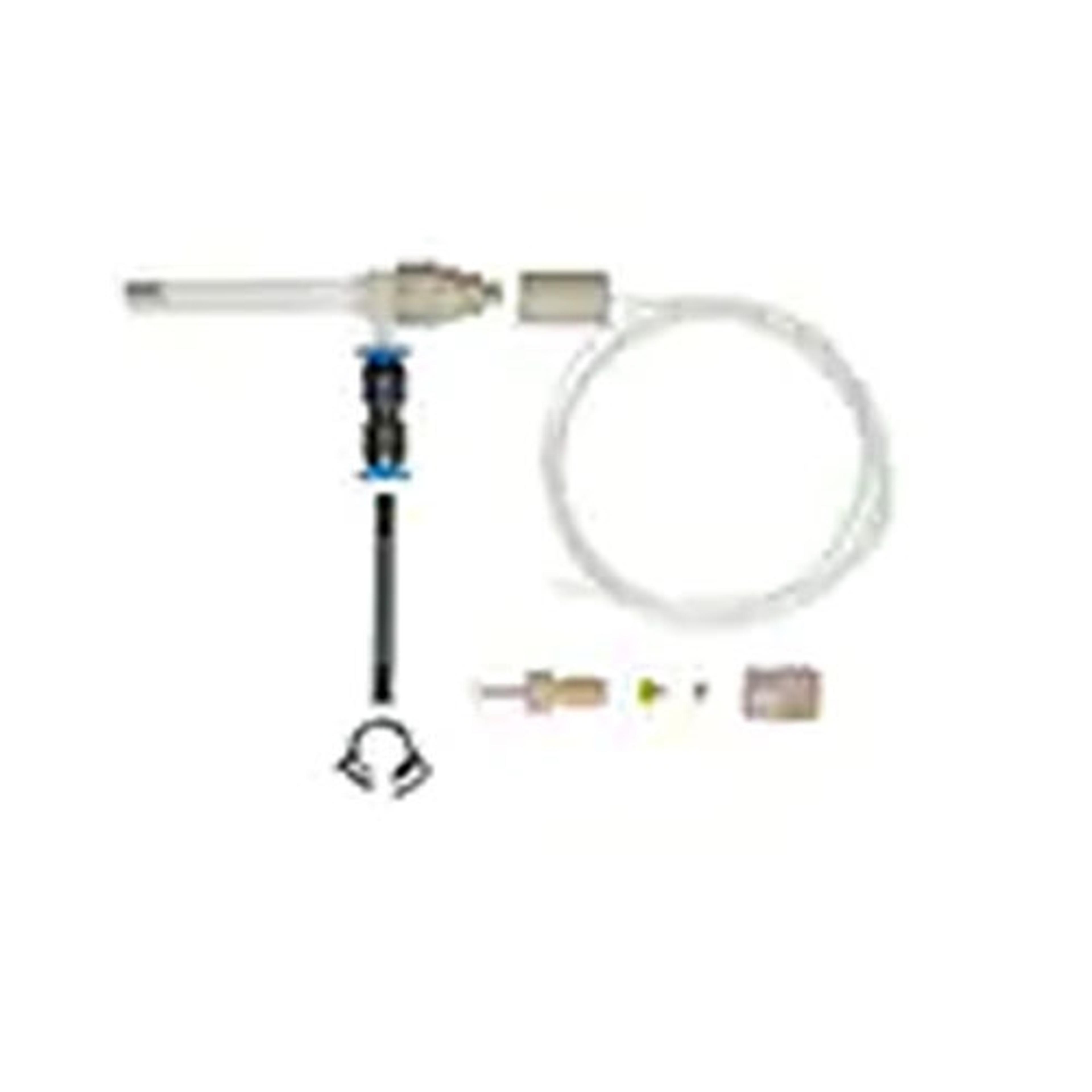
OneNeb series 2 inert concentric nebulizer
Agilent TechnologiesOneNeb series 2 inert concentric nebulizer. Recommended for routine analysis of samples up to 25% TDS; inert construction makes it suitable for most solution types. Includes replaceable sample capillary/connector assembly, quick release connector for nebulizer gas inlet, and conical adapter for peritaltic pump tubing.
Links
Tags
Atomic Absorption / Emission SpectroscopyAtomic absorption spectroscopy (AAS) and atomic emission spectroscopy (AES) — also called optical emission spectroscopy (OES) — are used to detect the elemental constituents in samples. Both techniques involve the atomization of a sample. Atomic absorption spectrometers may use a flame or furnace to create an atomic vapor of the sample before irradiation with spectral light. Optical emission spectrometers may use a flame, inductively coupled plasma (ICP), microwave plasma (MP) or spark arcs to atomize and excite the sample. At higher excitation energies, electrons can be emitted instead of photons, which can be useful for samples that can’t be atomized and for surface analysis. Explore electron spectroscopy equipment such as Auger spectrometers and photoelectron spectrometers for surface elemental analysis of samples. Find the best atomic absorption, photoelectron and optical emission spectrometers in our peer-reviewed product directory: compare products, check customer reviews and receive pricing direct from manufacturers.ICP-MSInductively Coupled Plasma Mass Spectrometry (ICP-MS) is a powerful analytical technique used to determine the concentrations of elements and their isotopes in a variety of samples, including water, soil, and biological tissues. It involves ionizing elements in the samples with extremely high-temperature Argon (Ar) plasma and then using a mass spectrometer to measure the number of ions based on their mass-to-charge ratio (m/z). Explore ICP-MS systems in our peer-reviewed product directory; compare products, check reviews, and get pricing directly from manufacturers.