
ResourceLife Sciences
Immuno-oncology reagents and resources
30 Apr 2020In the rapidly developing research area of immuno-oncology, it is critical to investigate interactions between the immune system and cancerous cells (tumors). In this application note, Bio-Rad provides information on their latest products and resources for immuno-oncology research, including reagents to analyze the tumor microenvironment and immune checkpoints.
Related products
Request Quote for All Products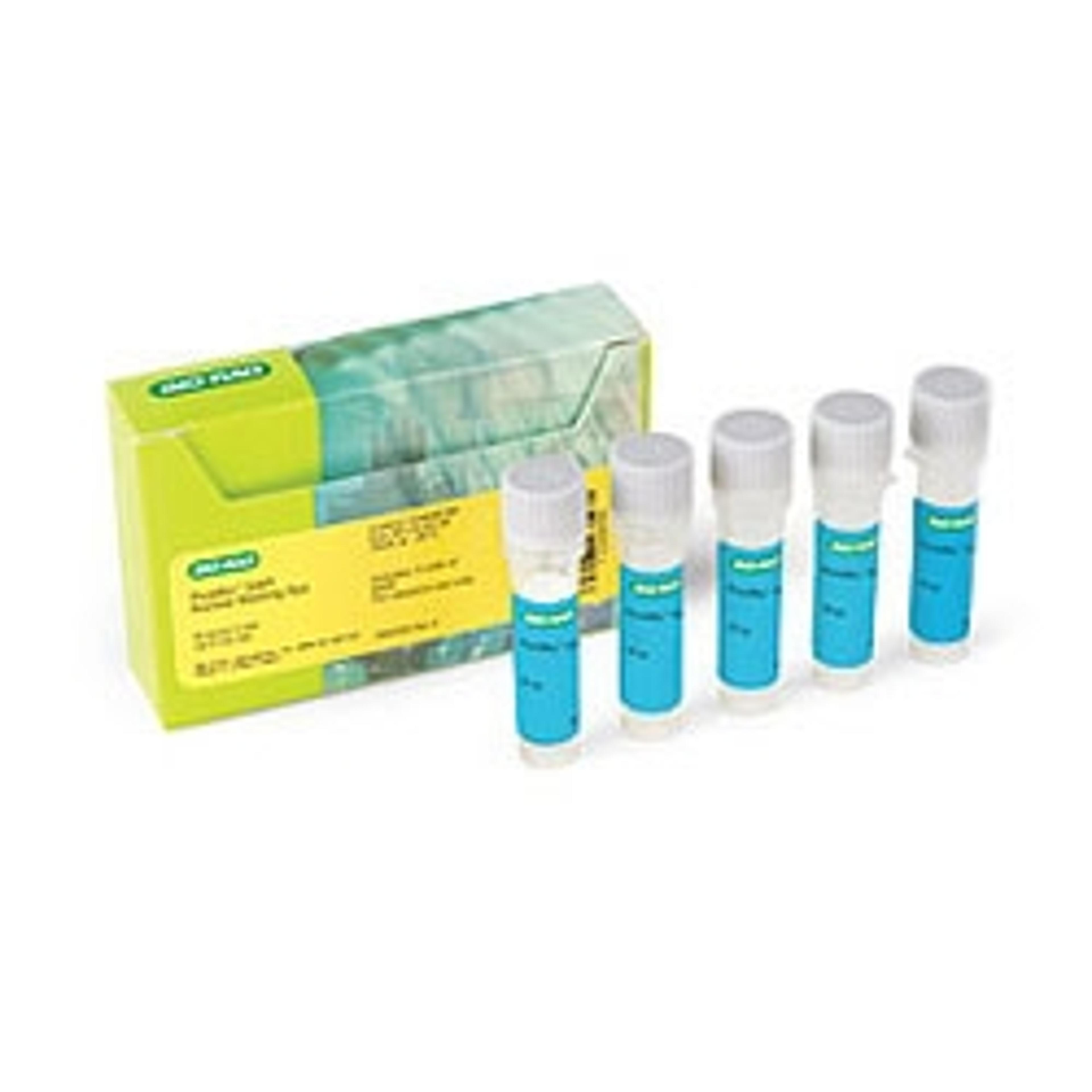
PureBlu™ DAPI Nuclear Staining Dye
Bio-RadPureBlu™ Nuclear Staining Dyes are designed to specifically stain the nuclei of cells in fixed and unfixed samples for fluorescence microscopy and cell imaging applications.
Links
Tags
AntibodiesAntibodies are used in techniques such as confocal and fluorescence microscopy, flow cytometry, ELISA, ELISPOT, immunohistochemistry, western blotting and immunopreciptation. Select specific antigen reactivity, high specific affinity, low non-specific binding, monoclonal or polyclonal, primary or secondary antibodies and associated conjugates such as an enzyme or dye for visualization.BiomarkersBiomarkers are biological markers which can be measured and evaluated to indicate a biological state. The use of biomarkers in research and diagnosis can indicate a normal or disease state or drug response of cells / tissues. Biomarkers include genetic markers, cell surface markers such as antigens, antibodies or receptors and secreted molecules such as cytokines. An assay system is required for identification of biomarkers. :ImmunologyImmunological techniques measure and characterize immune responses. Immunology kits and analysis systems often use techniques such as ELISA, radioimmunoassay (RIA) and immunodiffusion assays, Immunohistochemistry, and flow cytometry. Immunologists use equipment such as flow Cytometers, plate readers, plate washers and fluorescent microscopes.Cancer ResearchAlthough cancer is often referred to as a single condition, it actually consists of more than 100 different diseases. Microscopy, mass spectrometry, high throughput sequencing and flow cytometry are some of the most common techniques employed in cancer research labs.