Imaging breast cancer evolution in 3D organoid cultures with Luxendo light-sheet microscopy

17 Jul 2023

Bruker's Luxendo light-sheet technology can image a wide range of live, fixed, and cleared biological samples from organoids and embryos to large whole organisms. Overcoming many of the barriers that conventional light microscopy faces, lightsheet fluorescence microscopy, also called selective plane illumination microscopy (SPIM), supports advanced research in the life sciences. SPIM works by de-coupling the fluorescence excitation and detection beams and together with a sheet of light for excitation, selectively illuminates a focal plane for high-resolution images without the danger of phototoxicity. Here, Dr. Martin Jechlinger, the Senior Scientist and Head of VISION Laboratory at the MOLIT Institute, talks about how his lab utilizes light-sheet microscopy to investigate 3D organoid cultures. Specifically, the molecular mechanisms underlying mammary tumor development during breast cancer, as well as what is happening when treatments are failing.

MuVI SPIM

Bruker Fluorescence Microscopy

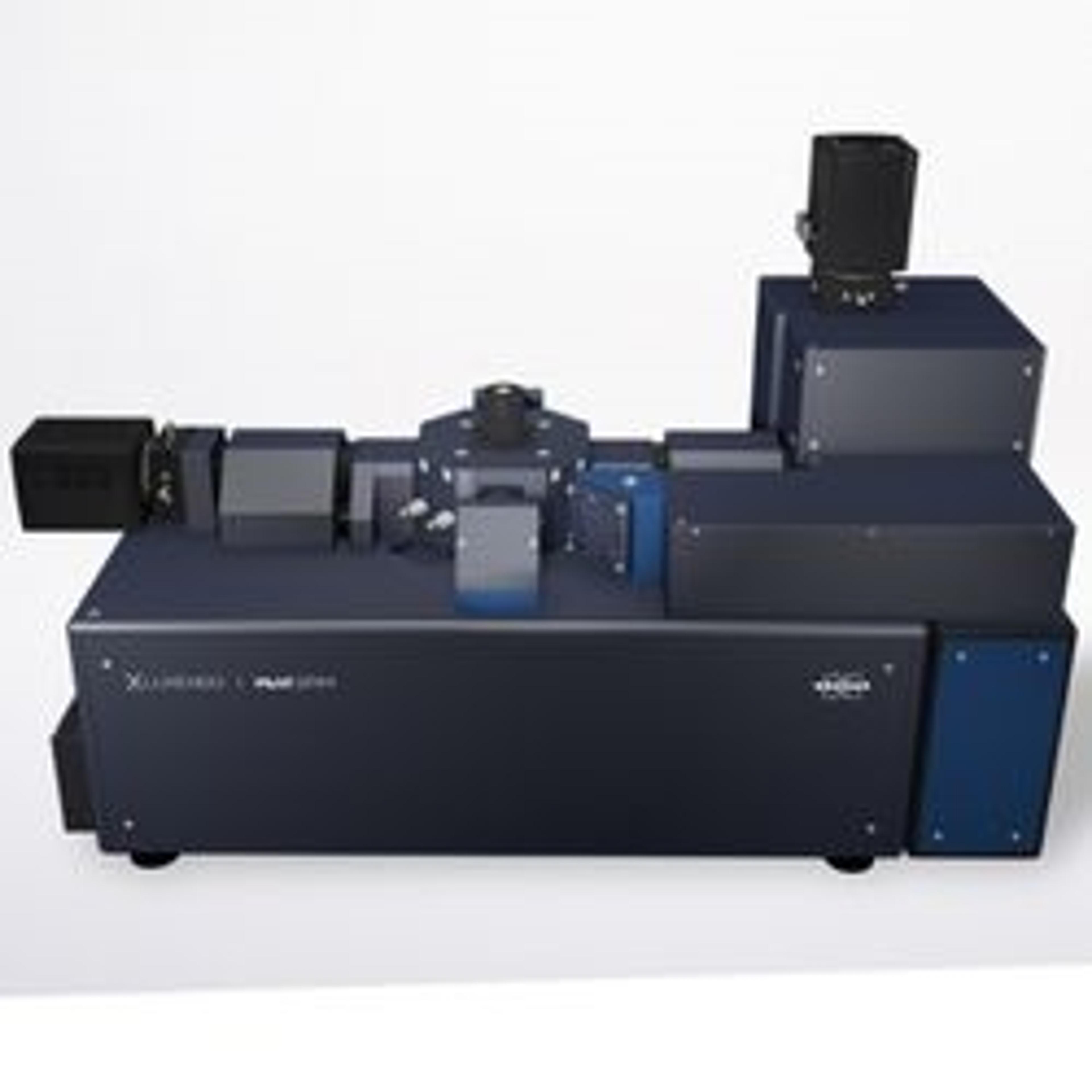
Bruker's MuVi Selective-Plane Illumination Microscope (SPIM) is the fastest multi-angle view system on the market. MuVi incorporates years of Luxendo light-sheet technology innovations to provide high-speed volumetric acquisition for analyzing dynamic processes in delicate live specimens, as well as offering compatibility with any clearing method. A variety of other advanced hardware and software integrations can be easily configured to support evolving multidimensional experimental needs.

(0)

Links

Tags

Cell / Tissue CultureCell culture or tissue culture is used to study the biology of cells or tissues and to isolate cellular products in an environment which can be manipulated and well defined. Accurately control your culture environment with bioreactors or culture incubators, bind your cells to a surface or together with an extracellular matrix. Distinguish cell types with differential media or proliferate cells with certain characteristics using selective media. Enrich your media with supplements such as growth factors, sera and vitamins. Find the best cell and tissue culture products, kits and equipment in our peer-reviewed product directory: compare products, check customer reviews and receive pricing direct from manufacturers.Light MicroscopyLight microscopes or optical microscopes are used to visualize microscale objects under magnification, including cells, clinical specimens and materials. Lab equipment for light microscopy includes confocal microscopes, fluorescence microscopes, zoom and stereo microscopes. Microscope slides and imaging reagents are available for visualizing samples, as well as various microscope stages and incubators for large or temperature-sensitive samples. Find the best light microscopes in our peer-reviewed product directory: compare products, check customer reviews and receive pricing direct from manufacturers.MicroscopyMicroscopy is a technique used to observe small objects in detail, from cells to materials, using light or electron microscopes. It enables researchers to examine structures with high resolution, aiding in fields such as biology, medicine, and materials science. With advanced microscopy techniques, scientists can gain insights into cellular processes, tissue structures, and material properties. Explore the best microscopy solutions in our peer-reviewed product directory, compare products, read customer reviews, and get pricing directly from manufacturers.Breast CancerBreast cancer is a type of cancer that begins in the cells of the breast and can spread to other parts of the body. Early detection, accurate diagnosis, and targeted treatments are essential for improving patient outcomes. Browse our peer-reviewed product directory to find the best breast cancer research and diagnostic tools, compare products, check reviews, and get pricing directly from manufacturers.OrganoidsCancer ResearchAlthough cancer is often referred to as a single condition, it actually consists of more than 100 different diseases. Microscopy, mass spectrometry, high throughput sequencing and flow cytometry are some of the most common techniques employed in cancer research labs.
Imaging breast cancer evolution in 3D organoid cultures with Luxendo light-sheet microscopy