ResourceFood and Beverage
Hydrogen carrier gas for analyzing pesticides in pigmented foods with GC/MS/MS
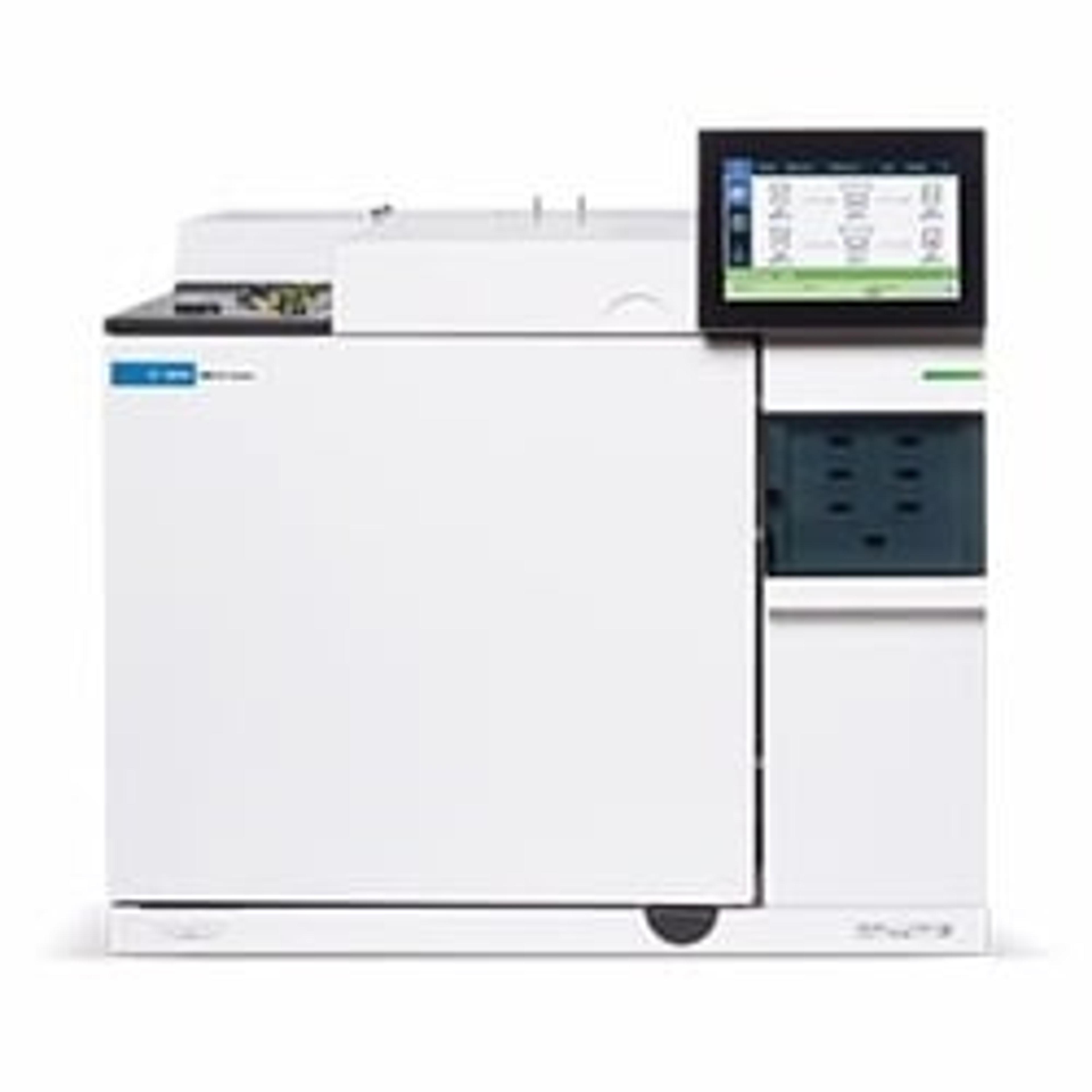
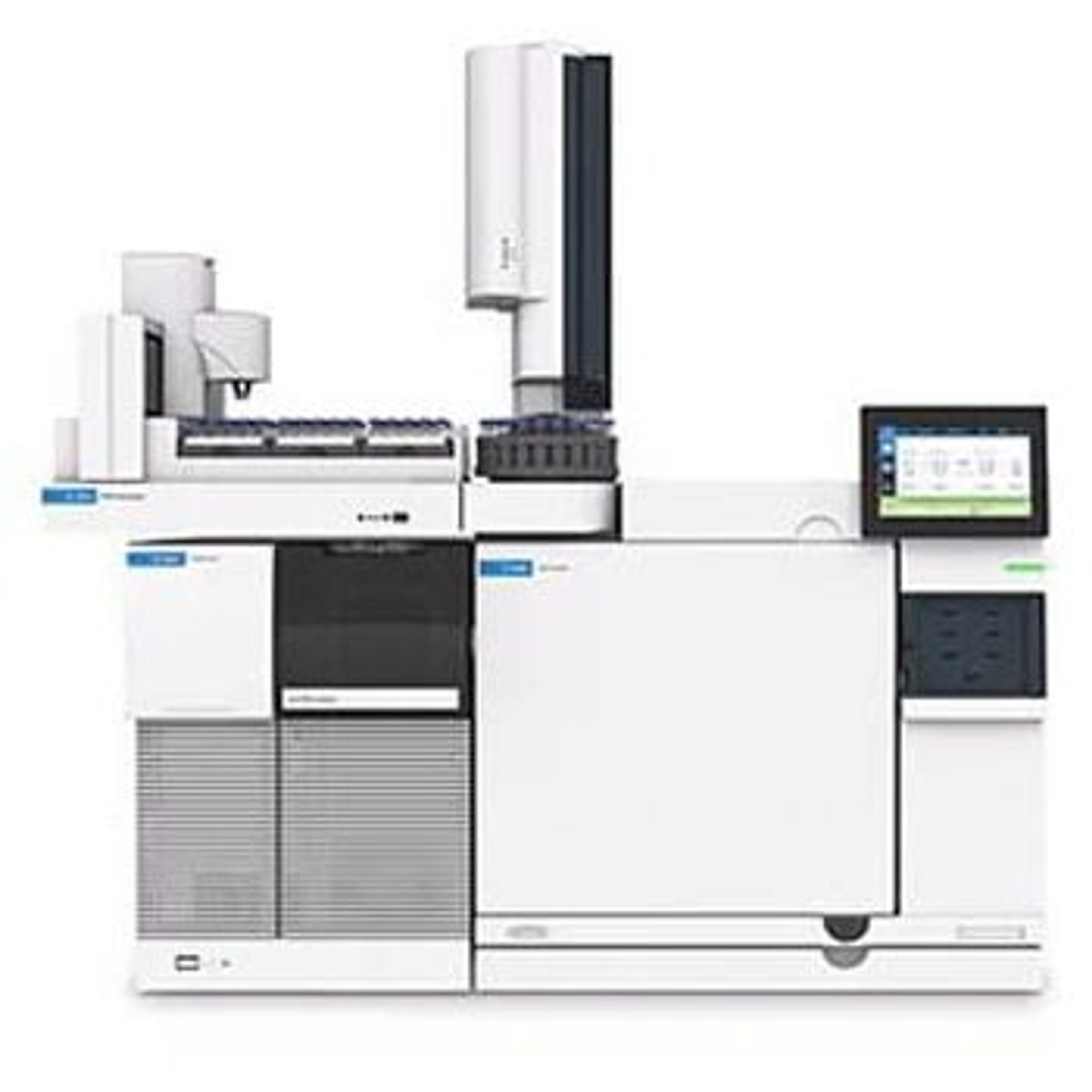
23 Jul 2024Due to recurring helium shortages and increased prices experienced in recent years, there is an intensified demand for adapting the GC/MS analysis to hydrogen carrier gas. Agilent describes the key strategies for pesticide analysis with gas chromatography/triple quadrupole mass spectrometry (GC/TQ) using hydrogen as the carrier gas, while maintaining sensitivity to meet maximum residue limits (MRLs). Explore key strategies for column configuration, optimized injection conditions, and choice of mass spectrometer (MS) electron ionization (EI) source hardware developed for use with hydrogen carrier gas – the Agilent HydroInert source and the Agilent High Efficiency Source (HES).
Links
Tags
GC-MS GC-MS (gas chromatography-mass spectrometry) instruments and equipment are used to separate, quantify and identify mixtures of small and volatile compounds, such as polycyclic aromatics, fatty acids and alcohols. Often used in drug detection, forensic investigation and environmental analysis for pesticides and contaminants, GC-MS is a powerful addition to your lab’s analytical capabilities. GC-MS/MS instruments equipped with a qTOF or triple quadrupole analyzers can give greater sensitivity and resolution to your analysis. Find the best GC-MS instruments and equipment in our peer-reviewed product directory: compare products, check customer reviews and receive pricing direct from manufacturers.HydrogenCarrier GasTandem MSPesticidesPesticides are used to protect crops from diseases, pests and unwanted plants. They are classed as persistent organic pollutants (POPs) and can be harmful to humans. The Environmental Protection Agency (EPA) currently regulates the use of pesticides in the USA.