
How to Determine if Green Fume Hoods are Right for Your Laboratory
16 Mar 2015There are many considerations that must be analyzed when adding or replacing a chemical fume hood in your lab. One of the initial decisions is whether to consider using a green fume hood (a filtered, recirculating fume hood) or to just stay with a conventional ducted fume hood. This white paper will help you decide whether a green fume hood is right for your laboratory.
Related products
Request Quote for All Products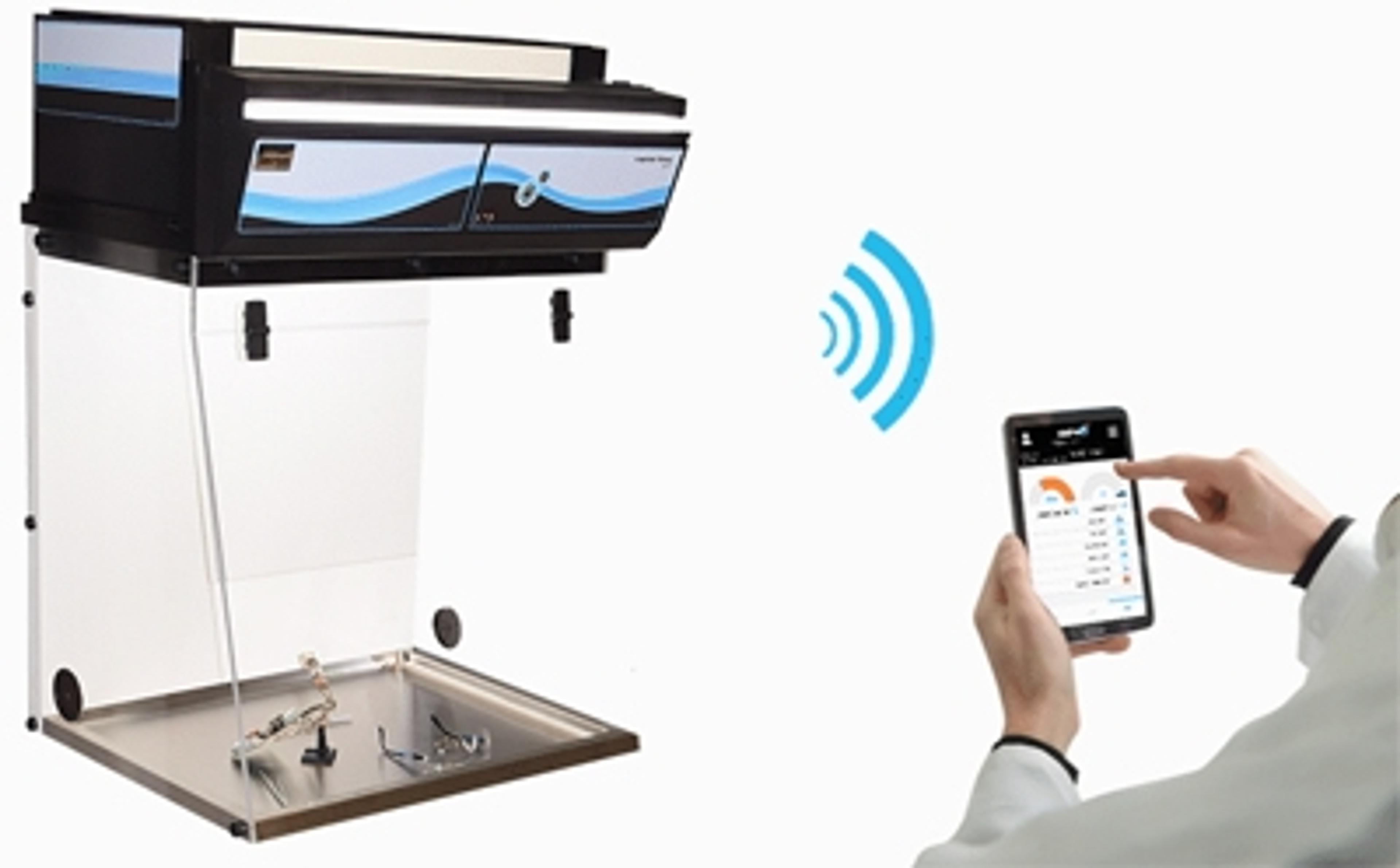

Captair Smart Ductless Fume Hood
ErlabProvides total filtration of toxic gases, fumes, odors, and powders. The Captair Smart ductless fume hoods are specifically designed to safely protect users when handling chemicals or powders that pose an inhalation risk. The configurable filtering system above the enclosure can be adapted to filter gases, solvents, powders, and particulates keeping the user and the lab protected by safely and efficiently recirculating air within the room and releasing purified air back into the room free of any toxic hazardous vapors or odors. No ductwork is required so installation is simple and the hood can be easily relocated. The depth of the hood can accommodate a variety of equipment including, rotary evaporators, bath circulators, or large balances. Benefits of an Erlab ductless fume hood: Independent test reports verifying filter efficiency, a published chemical listing, application questionnaire to validate filtration of the chemical process in the hood, certificate of validation for the chemicals used in the hood, and a safety program for the life of the hood. Product features: Can be outfitted with a carbon filter, a HEPA filter or both for your liquid, powder or liquid/powder applications. Each model includes a flow monitor, programmable timer, internal lighting, sampling port, air flow meter, and side panel utility ports for cables/fluid pipes. Optional accessories: Resin, stainless steel, or glass work surface, rolling cart with locking wheels, stationary workbench, transparent back panel, rear access door, particle pre-filter.