
ResourceSeparations
GC×GC Applications Guide
The benefits of comprehensive two‑dimensional gas chromatography for a range of applications
30 Sept 2019GC×GC first attracted attention in the late 1970s, but for many years advances in conventional GC–MS meant that its superior separation capacity was not seen as being worth the additional technical complexity.
Thanks to greatly improved hardware and software, this has changed, and as a result GC×GC is now being routinely used in a variety of fields. This guide demonstrates just some of the most important applications.
Related products
Request Quote for All Products
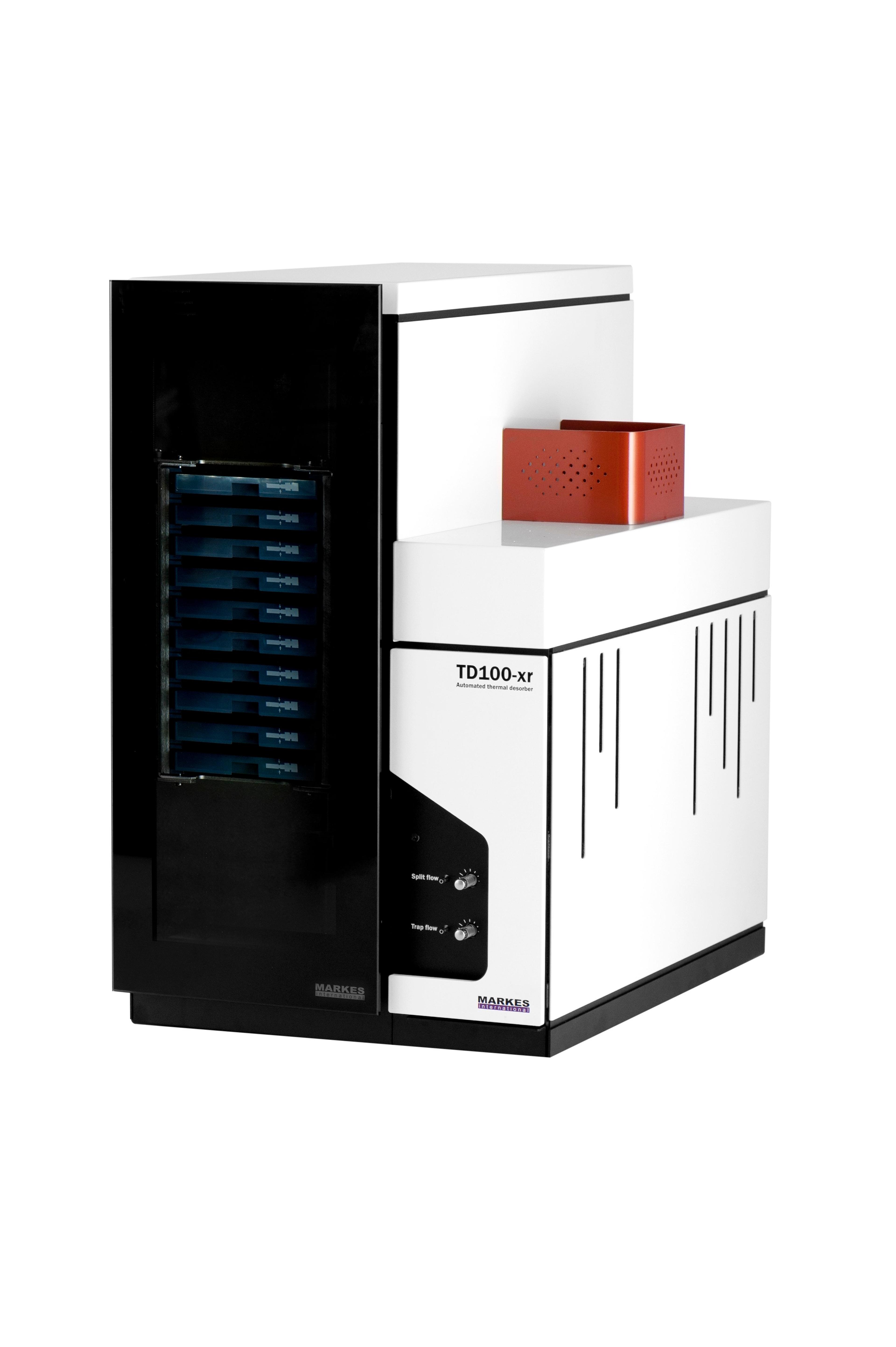
TD100-xr
Markes International LtdFully-automated analytical thermal desorption instrument for GC or GC–MS
Links
Tags
Gas ChromatographyGas chromatography (GC) is an analytical technique used to separate and quantitate mixtures of small and volatile compounds. Gas chromatographs or GC systems include components such as GC columns, detectors, pumps and autosamplers. Choose from packed or capillary GC columns, flame ionization (FID), photoionization (PID) electron capture detectors and selective or non-selective detectors. Find the best gas chromatographs in our peer-reviewed product directory: compare products, check customer reviews and receive pricing direct from manufacturers.GC-MS GC-MS (gas chromatography-mass spectrometry) instruments and equipment are used to separate, quantify and identify mixtures of small and volatile compounds, such as polycyclic aromatics, fatty acids and alcohols. Often used in drug detection, forensic investigation and environmental analysis for pesticides and contaminants, GC-MS is a powerful addition to your lab’s analytical capabilities. GC-MS/MS instruments equipped with a qTOF or triple quadrupole analyzers can give greater sensitivity and resolution to your analysis. Find the best GC-MS instruments and equipment in our peer-reviewed product directory: compare products, check customer reviews and receive pricing direct from manufacturers.2D Chromatography