
ResourceLife Sciences
Gator AAV9 probes for highly selective AAV9 quantitation
18 Mar 2022In this product note, Gator Bio introduces the Gator™ AAV9 Probes, high specificity nanobody-based biosensors that enable direct capture and quantitation of AAV9 in crude lysates, column eluates, cell lysates, and cell culture supernatants.
Related products
Request Quote for All Products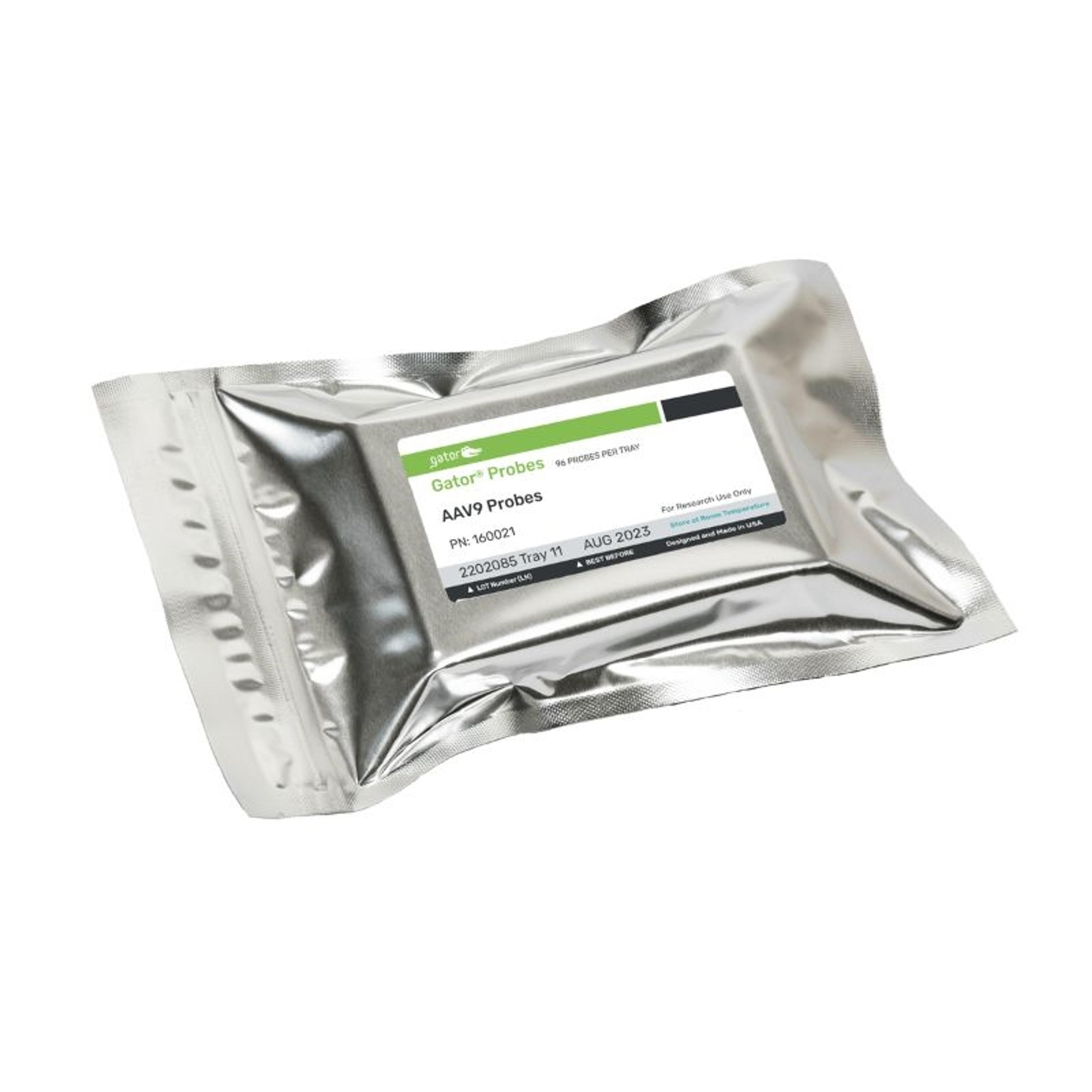
AAV9 Probes
Gator BioThe Gator ® AAV9 Probes are high specificity nanobody-based biosensors that enable direct capture and quantitation of AAV9 in crude lysates, column eluates, cell lysates and cell culture supernatants. The Gator ® AAV9 probe uses proven CaptureSelect™ (Thermo Fisher Scientific) high affinity and high specificity anti-AAV9 nanobody.
Links
Tags
BiosensorsBiosensors are devices used to detect an analyte using biological molecules specific to the analyte coupled to a detector. Biosensor instruments may be photometric, typically using surface plasma resonance (SPR), electrochemical or QCM (quartz crystal microbalance) biosensors. Biosensors should be selective, portable, robust and sensitive and have a fast response time. Systems may be manual or automated and usually have associated software.Protein QuantificationThe detection and quantification of proteins in a sample is vital across life sciences, pharmaceutical research and clinical diagnostics, and a variety of equipment is available to scientists to simplify the workflow. Proteins of interest can be easily labeled and detected on light-based detection instruments. Immunoassay kits allow you to identify a specific protein of interest and protein detection beads or antibody microarrays allow you to identify multiple specific proteins at once. Protein interactions and enzyme activity can also be monitored with protein-protein interaction assays. Additionally, the biophysical characterization of proteins is made easy with biokinetic analyzers. Find the best protein detection and quantification products in our peer-reviewed product directory: compare products, check customer reviews and receive pricing direct from manufacturers.Gene EditingGene editing is the precise alteration to an organism's DNA, with CRISPR being the most well-known technique. It is used in a wide range of applications, including the development of disease models and gene therapy, and crop improvement. Browse our peer-reviewed product directory to find the best gene editing solutions, compare products, check reviews, and get pricing directly from manufacturers.Label-Free AnalysisHuman SerumHuman serum is found in blood plasma. The protein is used in a variety of applications including tissue engineering, transplantation and cell therapy.