
From data-independent acquisition (DIA) to targeted MS/MS: Automatic reinjection for additional confirmation in suspect screening
30 Aug 2023Multi-residue screening in food safety is challenged with an ever-growing list of regulated residues.To comply with SANTE guidelines for the simultaneous identification and quantitation of compounds, overlapping molecular ions and a specified number of fragments are required over the chromatographic peak. DIA workflows fulfill these requirements but can yield questionable results. In this poster, Agilent Technologies presents the concept of an intelligent reflex, where after the initial sample run in DIA mode (All Ions) the data is processed, and automatically appended to the running worklist to confirm questionable or identified residues via targeted MS/MS. Agilent Technologies demonstrates in this study that the Revident LC/Q-TOF is highly suitable for routine screening in food safety applications.
Related products
Request Quote for All Products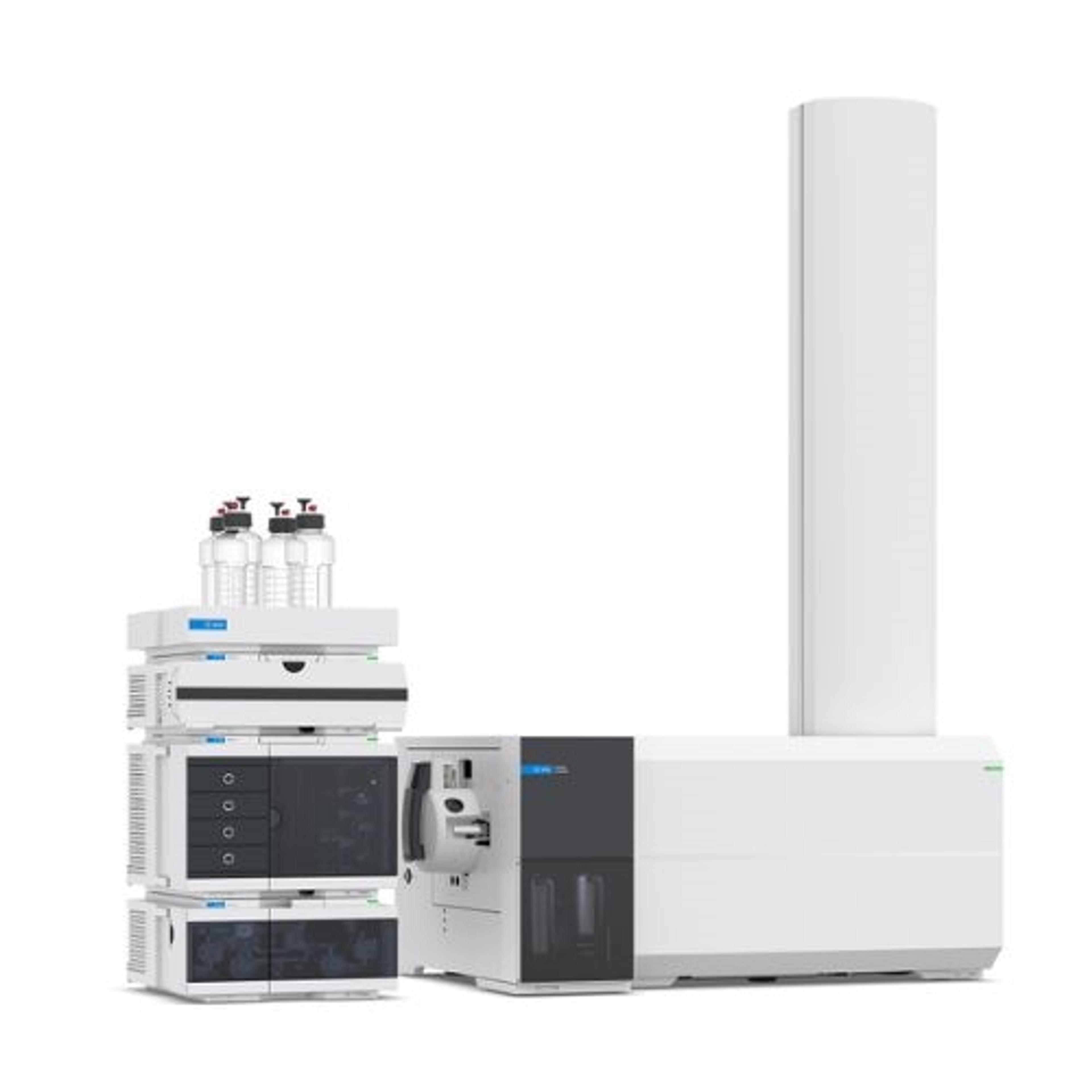
Revident quadrupole time-of-flight LC/MS (LC/Q-TOF)
Agilent TechnologiesTo stay competitive and adjust to changing industry requirements, you need evolved instrumentation with complete workflow solutions to meet current and future challenges. You must ensure that your lab can respond to emerging and unexpected contaminants with broader screening and retrospective analysis. The Agilent Revident LC/Q-TOF answers these challenges by maximizing time and productivity with sophisticated instrument intelligence.