
ResourceGeneral Lab
Filter selection: A simple path to increased air monitoring efficiency
24 Oct 2022From the substance of interest and air type classification, to the requirement to meet regional and setting-specific regulations, the complex world of air monitoring gives laboratories a million and one things to think about. But plans to drive efficiency can receive a significant boost via optimization of filter selection. In this application note, Cytiva describes how to match the filter to the process, wherever in the air monitoring ecosystem you work.
Related products
Request Quote for All Products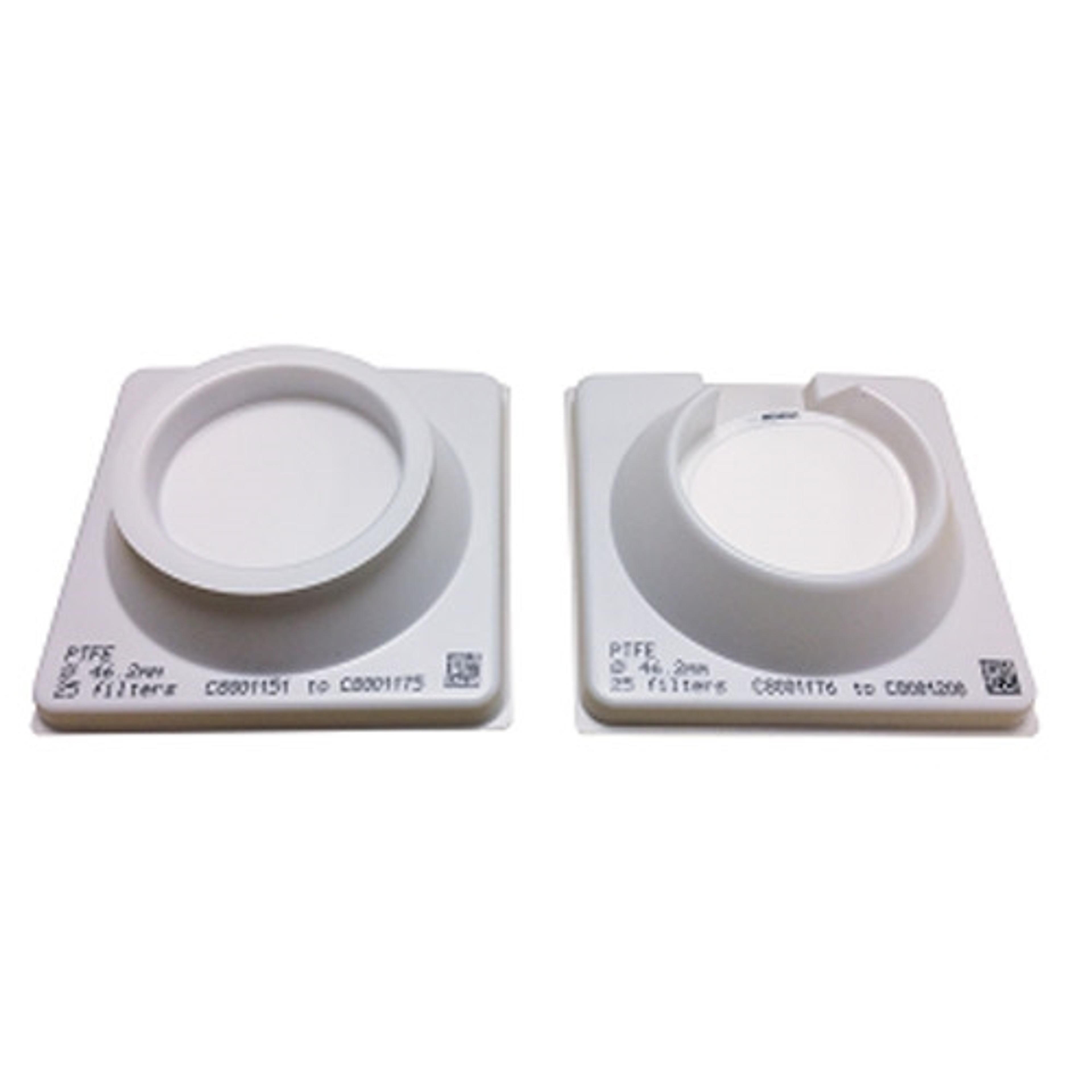
Whatman PM2.5 Air Monitoring Membrane Filters
CytivaCytiva's Whatman PM2.5 PTFE membrane filters are designed for PM2.5 air monitoring. These high-purity, thin filtration devices are sequentially numbered and housed in chemically resistant polypropylene support rings for robotic air sampling.
Links
Tags
FiltrationFiltration and microfiltration are used to separate solids, particulates or large molecules from fluids (liquid or gases) in order to purify the filtrate. Explore a range of filter formats, including filter paper, plates and membranes for your separation needs. While larger particulates may be separated by gravity filtration, smaller particulates may require additional force for timely separation. Microfiltration equipment includes vacuum filters, as well as positive pressure, crossflow and centrifugal filtration devices. Find the best filtration products in our peer-reviewed product directory: compare products, check customer reviews and receive pricing direct from manufacturers.Laboratory ManagementLaboratory management involves overseeing the operations of a lab, ensuring compliance with safety regulations, optimizing workflows, and maintaining equipment. Efficient lab management is key to ensuring accurate results and minimizing downtime. Technologies like laboratory information management systems (LIMS) and automated lab equipment are helping labs streamline operations. Browse our peer-reviewed product directory to find the best laboratory management tools, compare products, read reviews, and get pricing directly from manufacturers.Laboratory SafetyLaboratory safety is essential to the effective operation of all laboratories and is required to minimize the risk of harm during experiments. Guidelines, regulations, and equipment should be available in all laboratories to ensure that the working environment is safe and secure.Air FiltrationAirborne PollutantsAirborne pollutants are particulates, biological molecules or other harmful materials that exist in the atmosphere. These pollutants are known to cause harm to health and the environment. Examples include persistent organic pollutants (POPs), carbon monoxide, sulfur oxides, and nitrogen oxides.Air Quality