
ResourceLife Sciences
Faster ELISA Results with CatchPoint SimpleStep ELISA Kits
4 Feb 2019A conventional sandwich ELISA uses a pair of antibodies against the target protein, one capture antibody coated on the wells of a microplate, and one detector antibody usually conjugated to enzymes such as horseradish peroxidase (HRP) or alkaline phosphatase (AP). Depending on the substrate used for these enzymes, the result can be measured on a microplate reader as an absorbance or fluorescence signal.
Related products
Request Quote for All Products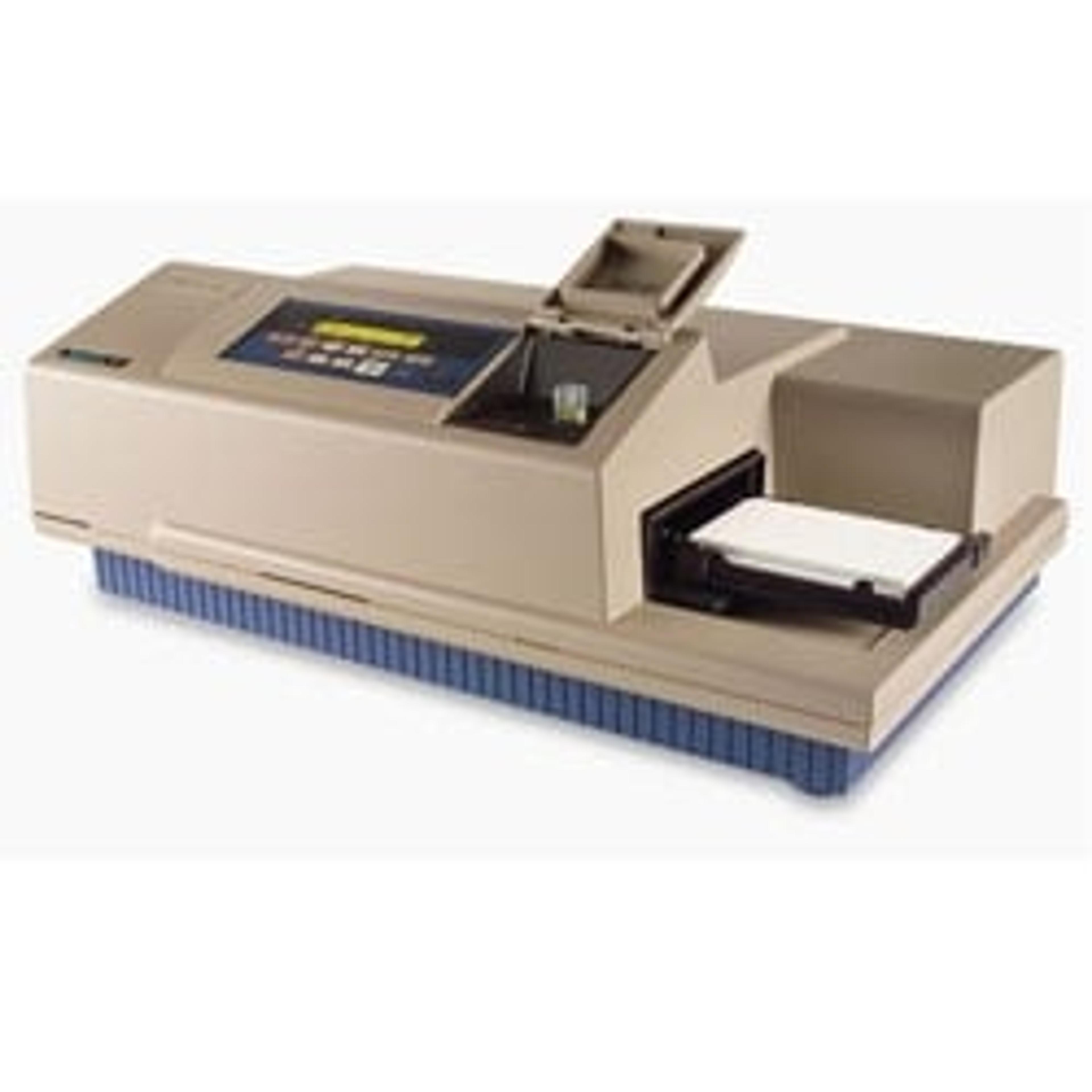
SpectraMax® M5 Multi-Mode Microplate Reader
Molecular Devices®SpectraMax M Series - With six different models to choose from, it's easy to find the one you want for your lab
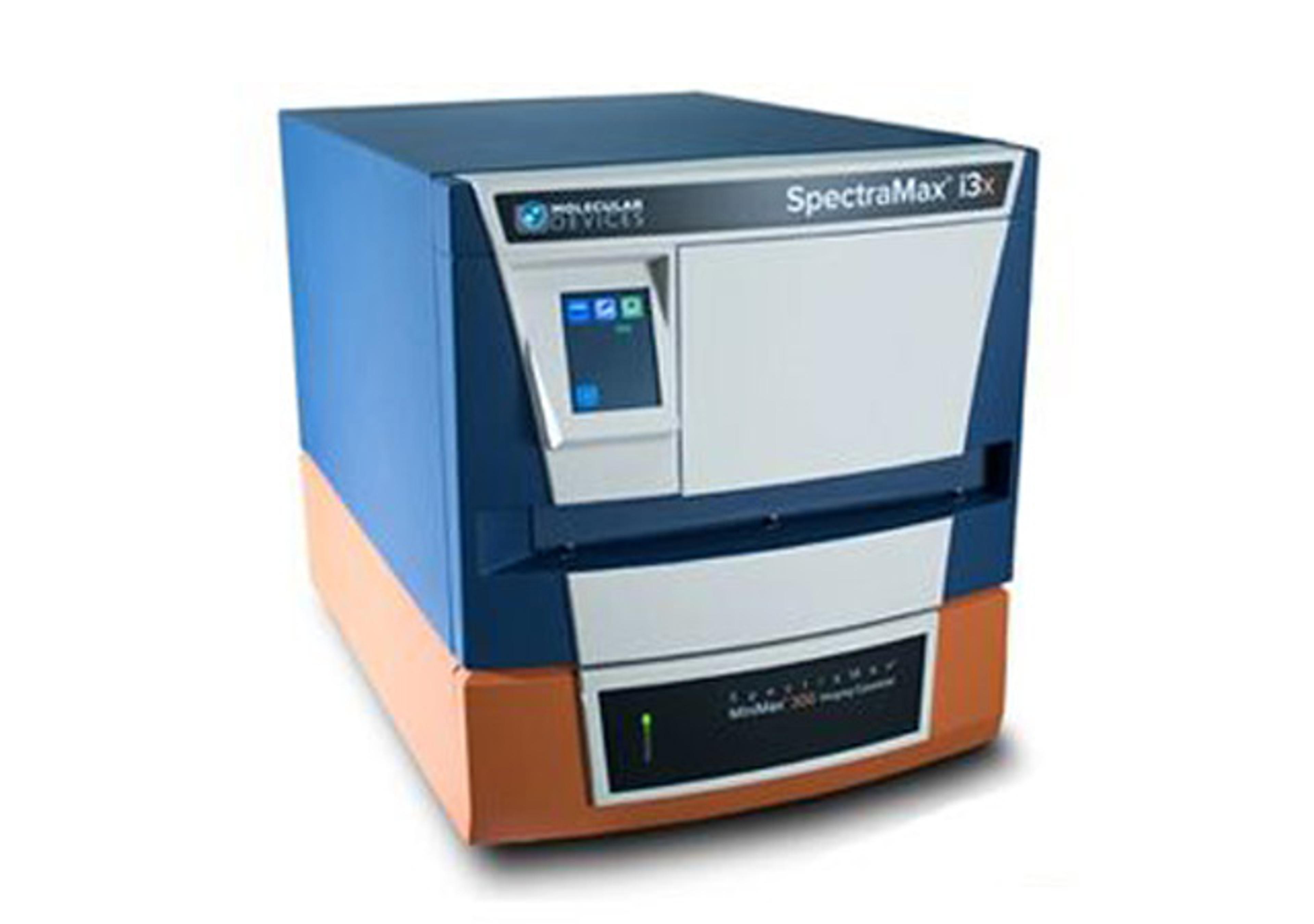
SpectraMax i3x Multi-Mode Microplate Reader with MiniMax Imaging Cytometer
Molecular Devices®Measures Absorbance, Fluorescence, and Luminescence with the added functionality of modular upgrades
Links
Tags
AntibodiesAntibodies are used in techniques such as confocal and fluorescence microscopy, flow cytometry, ELISA, ELISPOT, immunohistochemistry, western blotting and immunopreciptation. Select specific antigen reactivity, high specific affinity, low non-specific binding, monoclonal or polyclonal, primary or secondary antibodies and associated conjugates such as an enzyme or dye for visualization.ELISAEnzyme-linked immunosorbent assays (ELISA), also known as enzyme immunoassays (EIA), are used for the detection and quantification of proteins, peptides and antibodies in a sample. ELISA often comes in kit format, with pre-selected antibody pairs to detect specific proteins or biomarkers of diseases such as diabetes and obesity, or cardiovascular and neurological disorders. Detection is made possible with chemiluminescent, fluorescent or colorimetric substrates and detection instruments such as microplate / ELISA readers. Other kits available include: Enzyme-linked immunospot (ELISPOT) assays for the quantification of protein-producing cells and chemiluminescent immunoassays (CLIA) kits. Find the best ELISA kits and products in our peer-reviewed product directory: compare products, check customer reviews and receive pricing direct from manufacturers.Microplate Readers / DetectorsMicroplate readers are used to automate the detection and analysis of labeled or label-free components in microplates during assays or live-cell monitoring. Microplate readers are generally distinguished by their mode of detection. Types include absorbance, luminescence, fluorescence intensity, fluorescence polarization, TRF / FRET and multimode microplate readers. Microplate readers deliver a high throughput of samples by reading multiple wells simultaneously, with the 96-well format the most commonly used. As a result, microplate readers are often used in the drug discovery, bioassays, research and pharmaceutical industries for screening applications. Microplate loading can also be automated, with robotic microplate stackers to increase throughput. Find the best microplate readers in our peer-reviewed product directory: compare products, check customer reviews and receive pricing direct from manufacturers.Fluorescence Based AssayFluorescence based assays are widely used in life science research and high-throughput screening to measure a broad range of cellular activities.Antibodies