ResourceGeneral Lab

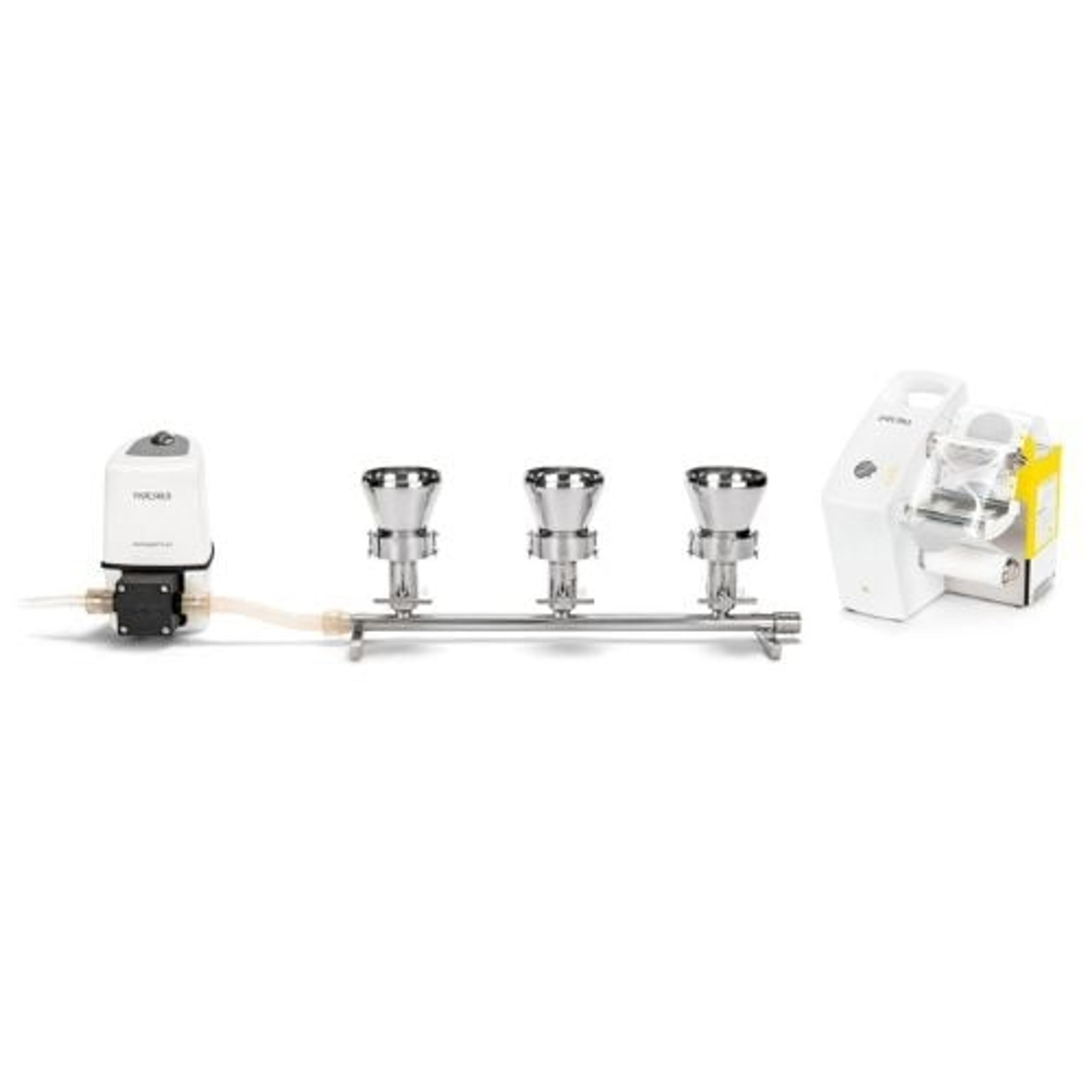
Facilitate your microbiological testing procedures with Microsart Manifolds

10 Jun 2020

The Microsart® Manifolds has the ability to accurately detect and quantify microorganisms in liquid samples. This application note from Sartorius details the features, benefits and specifications of the new filtration stand that adapts to your needs.

Microsart® @filter 100 and 250

Sartorius Group

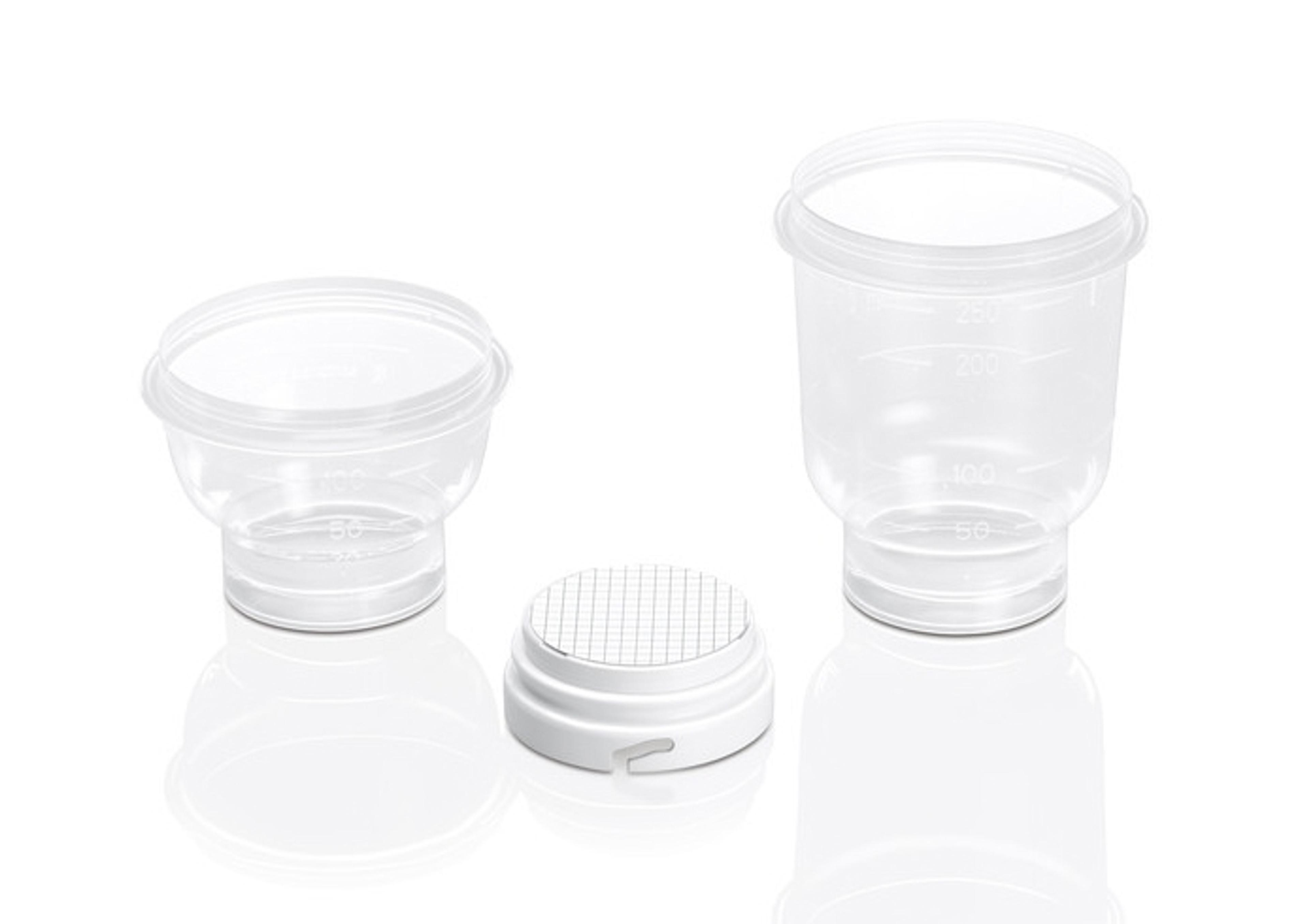
Microsart® @filter 100 and 250 - Sterile disposable filter units for advanced colony counting. Microsart® @filter 100 and 250 filter units are a ready-to-use combination funnel, filter base and gridded membrane in one unit. The range of Microsart® @filter types has been tailored to meet individual needs: It is possible to choose between two volume sizes, 100 ml and 250 ml, different pore sizes and different filter colors for contrasting backgrounds during evaluation. The filter units exist as tray versions with lids or are stacked in bags for safe removal using the Microsart® Funnel Dispenser. This product line is especially developed for microbiological applications in the pharmaceutical and biotech industry.   Microsart® @filter 100 and 250 Features & Benefits: Click-Fit fastening allows for easy removal of funnels. Leaking-free procedure due to innovative Click-Fit and bayonet closures. Bayonet closure allows for easy mounting and removal of units. Sterile Filter Base with recesses allows for simple membrane removal. Innovative geometry of the funnel allows for effective rinsing after filtration (no sample residue is left in the funnel). Preparation- and sterilization-free procedure reduces the risk of secondary contamination. Easy membrane removal for transfer onto your validated agar medium. No sample residue is left in the funnel, reduces your need of rinsing to a minimum. The Click-Fit fastening makes you fast in routine analysis.

(1)

Links

Tags

FiltrationFiltration and microfiltration are used to separate solids, particulates or large molecules from fluids (liquid or gases) in order to purify the filtrate. Explore a range of filter formats, including filter paper, plates and membranes for your separation needs. While larger particulates may be separated by gravity filtration, smaller particulates may require additional force for timely separation. Microfiltration equipment includes vacuum filters, as well as positive pressure, crossflow and centrifugal filtration devices. Find the best filtration products in our peer-reviewed product directory: compare products, check customer reviews and receive pricing direct from manufacturers.MicrobiologyMicrobiology is the study of microorganisms including protists, prokaryotes, fungi, and, often, viruses. Microorganisms are a useful research tool as genetic vectors and, in immunology, for antibiotic susceptibility testing, cellular biology and genetics. Microorganisms commonly grow readily in incubators with microbial culture media; this can contain chromogenic supplements to differentiate between cell lines. Estimate your culture’s density of microorganisms with colony counters, or screen and select colonies for desirable clones with automated colony pickers. Additionally, equipment is available to monitor environments for the presence of microbes and identify with microbial identification instruments. Find the best microbiology products in our peer-reviewed product directory: compare products, check customer reviews and receive pricing direct from manufacturers.Multi-Sample FiltrationWater AnalysisAnalytical methods used to test the purity of drinking water include determining the level of contaminants abides to the level set by the Environmental Protection Agency (EPA).CosmeticsPharmaceuticalsPharmaceuticals are medicinal drugs used in healthcare to diagnose, prevent, cure and treat illnesses. Pharmaceuticals that are excreted after use appear in wastewater and can have detrimental effects on the environment.Beverage AnalysisBeverage analysis involves testing and evaluating the composition, quality, and safety of drinks, from alcoholic beverages to soft drinks. Techniques like chromatography and spectroscopy are commonly used to analyze flavors, nutrients, contaminants, and additives. Browse our peer-reviewed product directory to find the best beverage analysis tools, compare products, check reviews, and get pricing directly from manufacturers.