
Explore the planet: Break scientific boundaries and discover more in volcanology, gemology and mineralogy
12 Sept 2022Naturally occurring minerals in the Earth’s crust contain unique chemical signatures, which can reveal detailed information about the history of their formation and geographic origins.
In this free eBook, discover a suite of analytical technologies designed to assess the properties and composition of various minerals to help researchers understand how their instruments can be used for the analysis of gemstones for the jewelry industry, as well as basic research into the mineralogy of both volcanic and metamorphic rocks.
This eBook will also cover:
- Spectrophotometric analysis of gemstones
- X-ray analysis of precious stones
- Elemental mapping
- Electron probing of minerals in volcanic rocks
Related products
Request Quote for All Products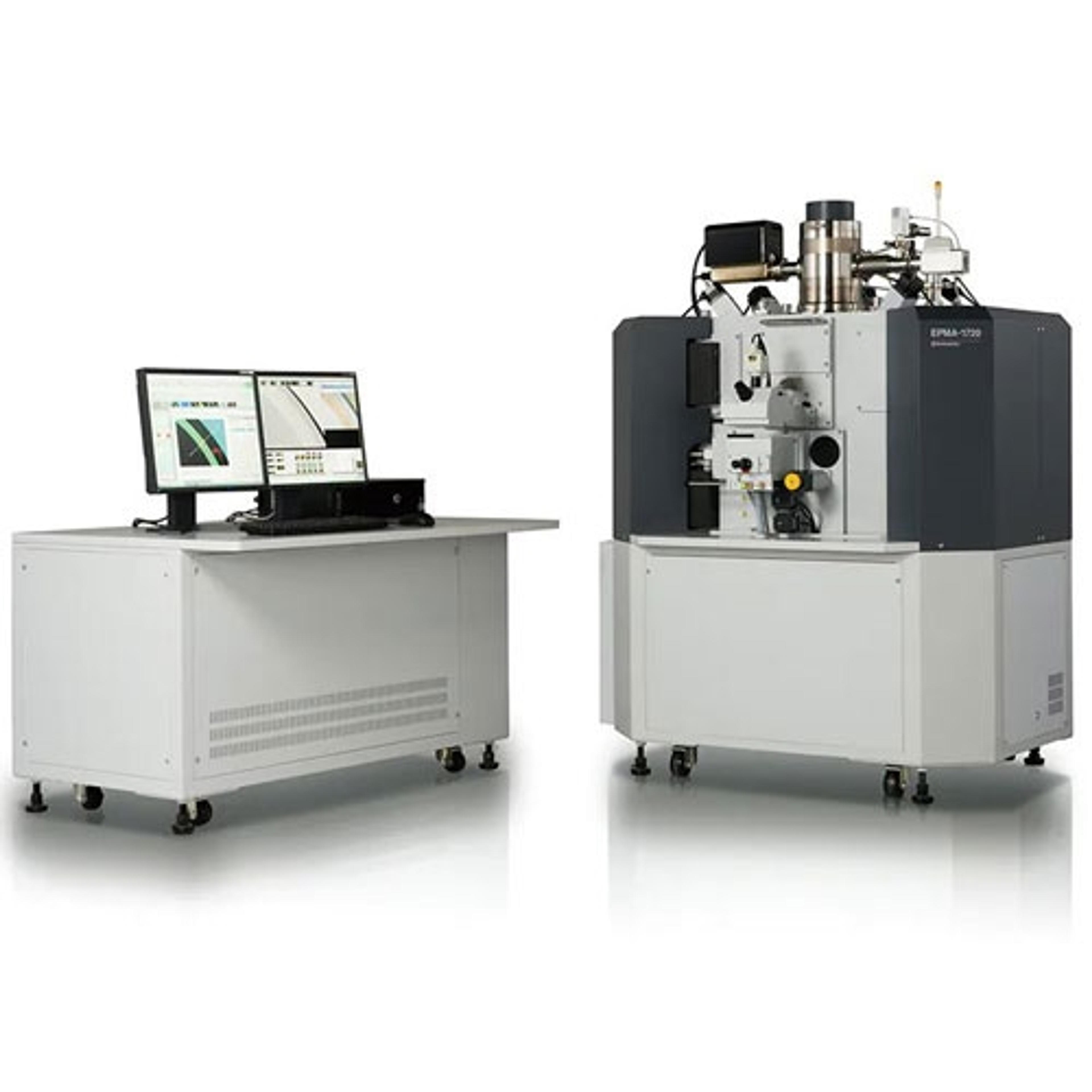
EPMA-1720 Electron Probe Microanalyzer
Shimadzu CorporationBoth hardware and software incorporate the latest technologies to create the next generation of EPMA. New functions that offer simple and easy-to-understand operation have been added to the superb basic EPMA performance that Shimadzu has fostered over many years – high sensitivity, high accuracy, and high resolution – to allow the EPMA's capabilities to be exploited to the fullest. While easy enough for even novices to use, it also supports sophisticated analysis by experienced
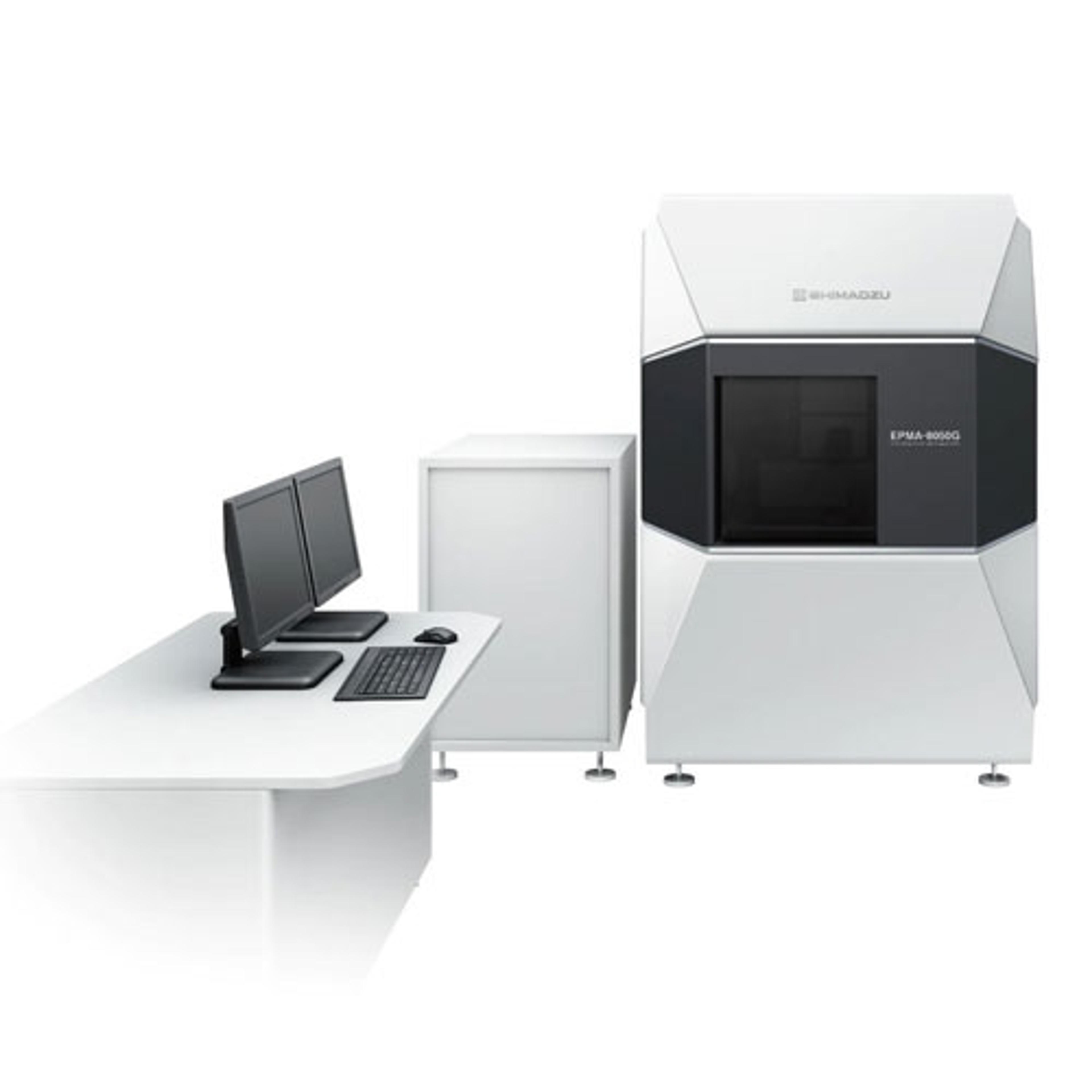
EPMA-8050G Electron Probe Microanalyzer
Shimadzu CorporationThis instrument is equipped with a cutting-edge FE electron optical system, which provides unprecedented spatial resolution under all beam current conditions, from SEM observation conditions up to 1 μA order. Integration with high performance X-ray spectrometers that Shimadzu has fostered through the company's traditions achieves the ultimate advance in analysis performance.
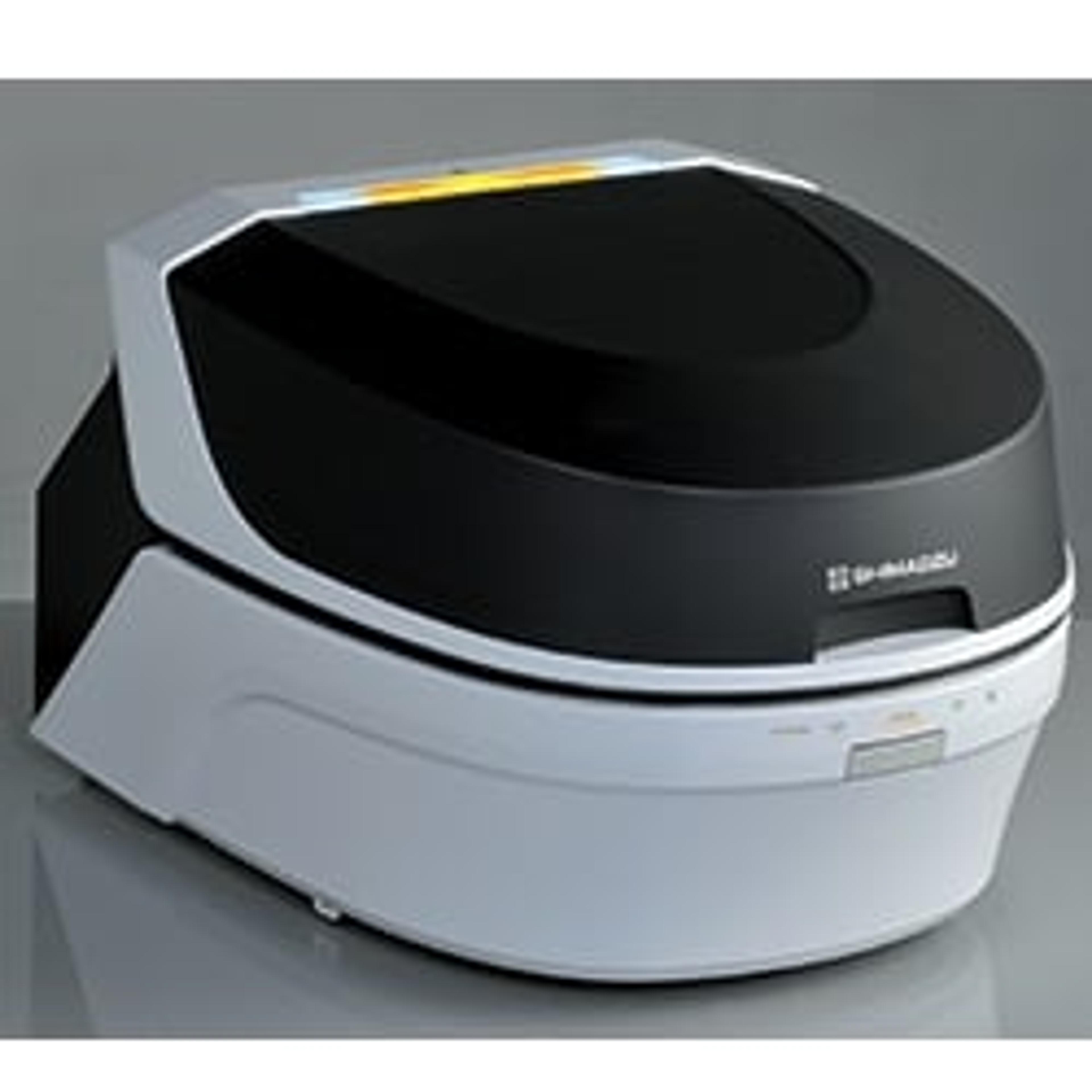
EDX-8100 Energy Dispersive X-ray Fluorescence Spectrometer
Shimadzu CorporationEDX-8100: One EDX over all others