ResourceSeparations

Existing challenges in clinical LC-MS and how to overcome them

20 Oct 2019

In this white paper, SelectScience and Waters explore some of the common challenges encountered by laboratories looking to transition to mass spectrometry-based testing and provide simple solutions to overcoming these.

MassLynx MS Software

Waters

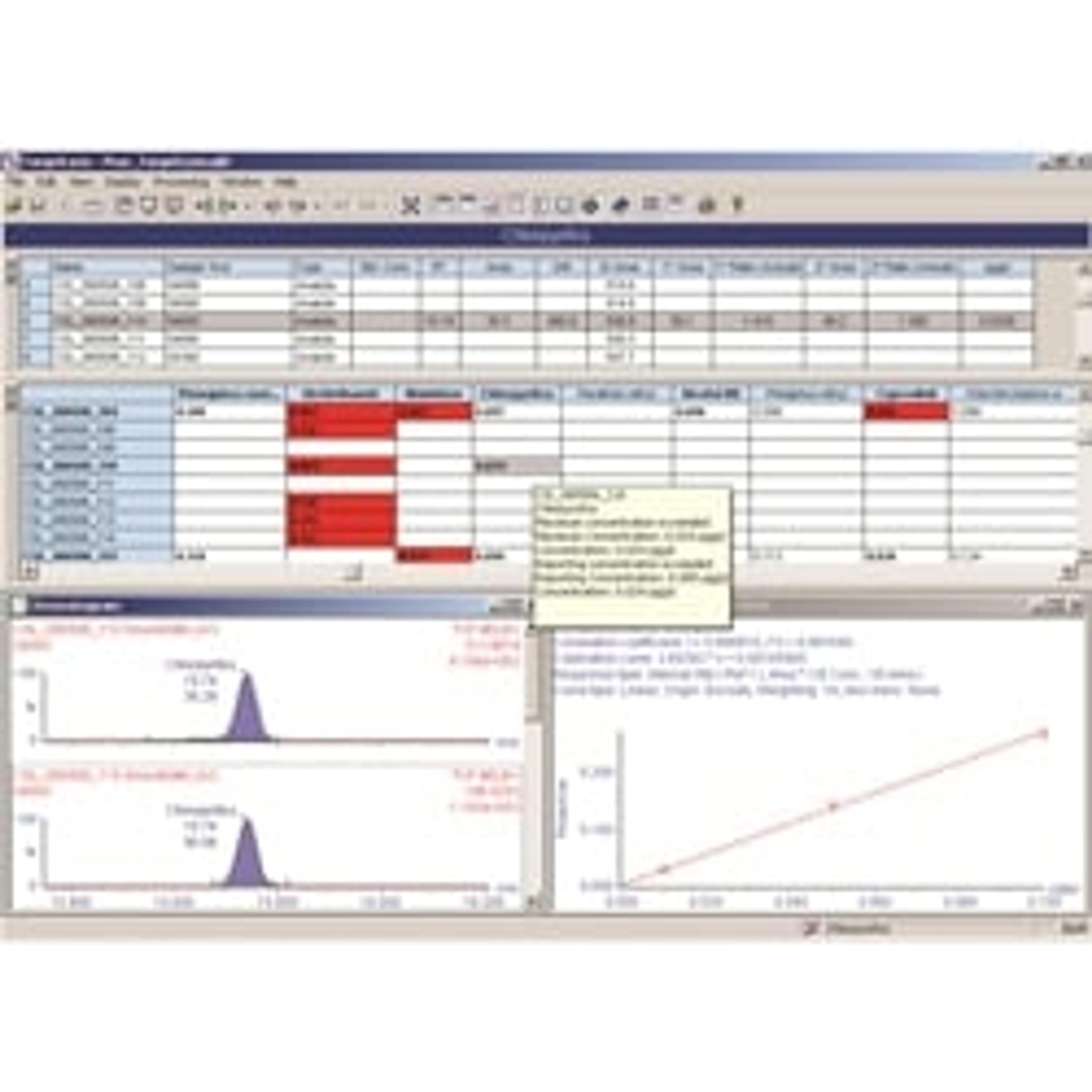
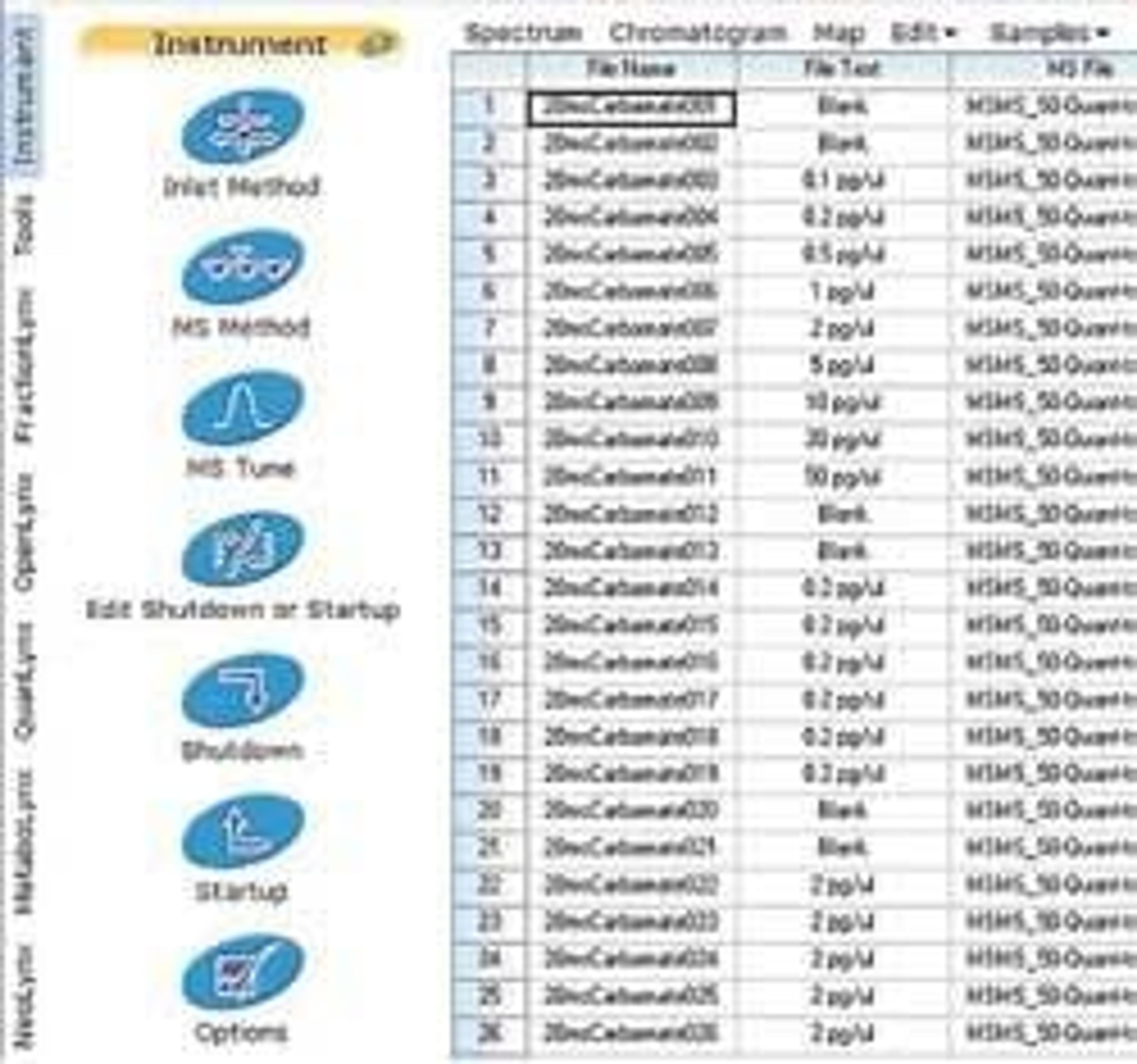
Acquire, Analyze, Manage, and Share Mass Spectrometry Information MassLynx™ Software increases the speed at which you can convert your sample data into valuable knowledge. It provides you with the fundamental platform to acquire, analyze, manage, and share your mass spectrometry information. MassLynx intelligently controls any Waters mass spectrometry system, from sample and solvent management components to mass spectrometer and auxiliary detectors. MassLynx Software may acquire nominal mass, exact mass, MS/MS and exact mass MS/MS data. MassLynx’s Sample List is the core of the system. It maintains and consolidates the data on all of your samples. You also initiate any activities related to your sample from the Sample List. This "sample centric" approach simplifies the interaction with your LC/MS or GC/MS system, acquired data and processed results. Process Application-specific Data MassLynx Software features general purpose and specialized Application Managers that provide information for your specific MS analyses and data. Two come standard with MassLynx: QuanLynx™ for automated quantification included as standard with MassLynx OpenLynx™ for qualitative screening and identification Optional Application Managers can perform: Targeted quantitative analysis Mass-directed purification Metabolite identification Deconvolution of complex chromatograms Metabonomics & metabolomics Protein identification and protein characterization

(8)

Links

Tags

LC-MSLC-MS (liquid chromatography-mass spectrometry) systems and equipment are used for separation and quantitative analysis of complex mixtures, combining liquid chromatography and mass spectrometry. Quantify proteins, contaminants, pesticides or screen for drug metabolites with a high level of sensitivity. LC-MS systems and equipment include reverse phase, normal phase and specialized columns integrated with various MS detectors such as time-of-flight (TOF), quadrupole, orbitrap or ion trap mass analyzers. LC-MS/MS instruments equipped with a qTOF or triple quadrupole analyzer give greater sensitivity and resolving power to your analysis. Find the best LC-MS equipment in our peer-reviewed product directory: compare products, check customer reviews and receive pricing direct from manufacturers.Mass SpectrometryMass spectrometry (MS) is a powerful analytical technique used to identify and quantify molecules based on the mass-to-charge ratio of gas-phase ions. It provides detailed information about the structure, composition, and properties of compounds and is widely used across fields such as environmental monitoring, materials science, drug discovery and development, food and beverage testing, and wider chemical research. Key MS techniques include tandem mass spectrometry (MS/MS), liquid chromatography–mass spectrometry (LS-MS) and inductively coupled plasma (ICP-MS). Choosing from these wide range of techniques and technologies can be a daunting task, so keep up to date with scientific applications, performance expectations, and customer reviews here all in one place. Visit our product directory to receive quotes direct from the manufacturer. Clinical Mass SpectrometryMass spectrometry is emerging as a superior method of analysis over the longstanding, gold standard of immunoassay. Clinical mass spectrometry systems are increasingly accessible to medical laboratories and are capable of providing results with more speed and less expense than traditional methods. From simple mass spectrometers to IVDR class A compliant, highly sophisticated systems performing liquid chromatography tandem mass spectrometry (LC/MS/MS), find the latest product news, reviews and resources to make a purchasing decision for your laboratory.
Existing challenges in clinical LC-MS and how to overcome them