
Evaluation of high intensity lamps for AAS
21 Jan 2022This application note shows a comparison study between the Agilent UltrAA lamps and conventional hollow cathode lamps. Discover how in addition to the benefits of improved limits of detection and enhanced sensitivity, the UltrAA lamps offer the same simplicity and ease of use as the conventional SpectrAA hollow cathode lamps.
Related products
Request Quote for All Products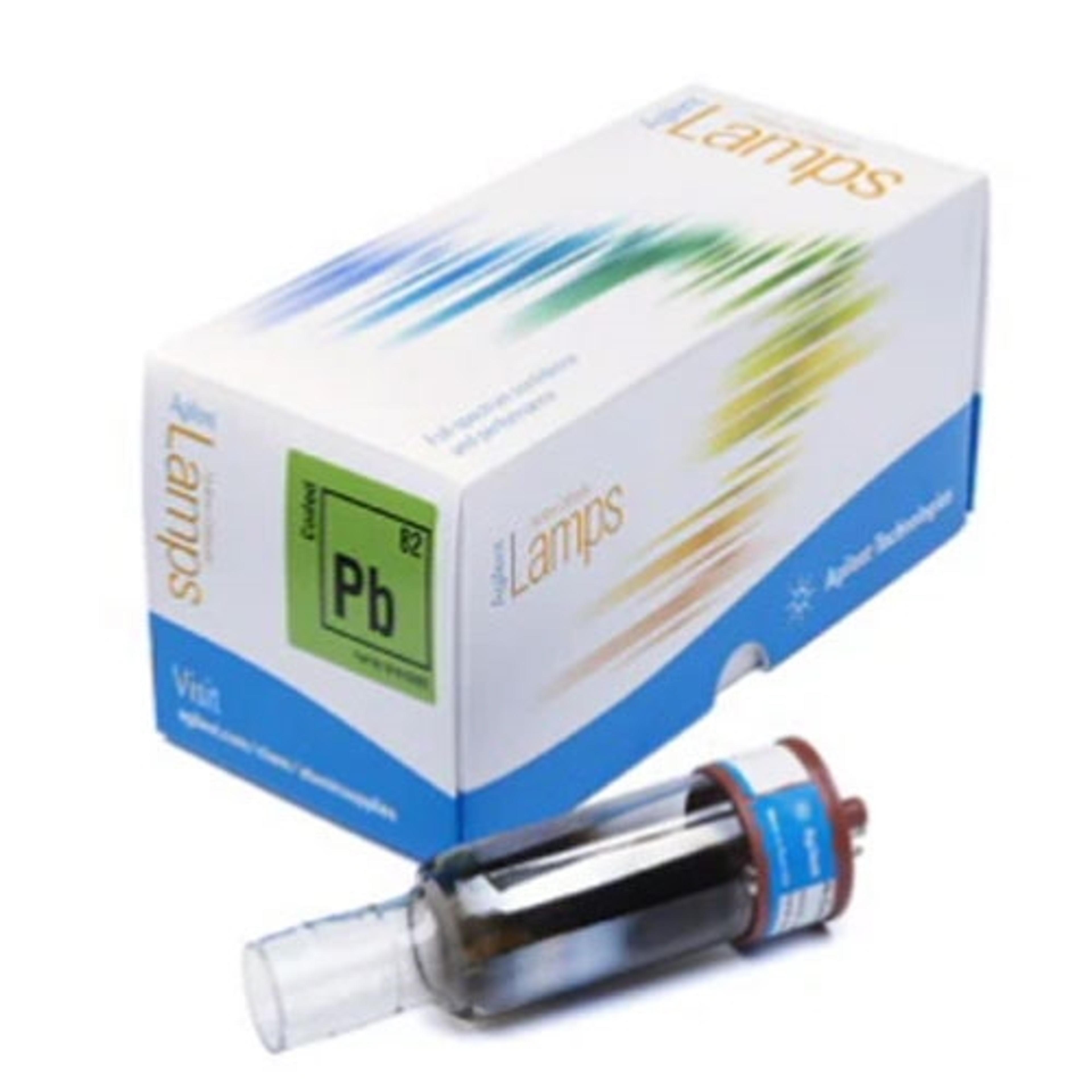
Single Element Hollow Cathode Lamps
Agilent TechnologiesAgilent single-element lamps are available as either coded or economical uncoded lamps. Coded lamps are element coded for automatic recognition by the Agilent AA instrument, simplifying operation and eliminating the risk of time-consuming errors when changing the lamp position. Uncoded lamps provide the same excellent performance as Agilent coded lamps. Agilent lamps are manufactured in an ISO 9001 environment using the purest cathode materials for optimal lifetime, economical operation, and superb performance. They provide high spectral purity and the extended processing cycle, and unique lamp conditioning procedures ensure minimal lamp warm-up and stable operation.
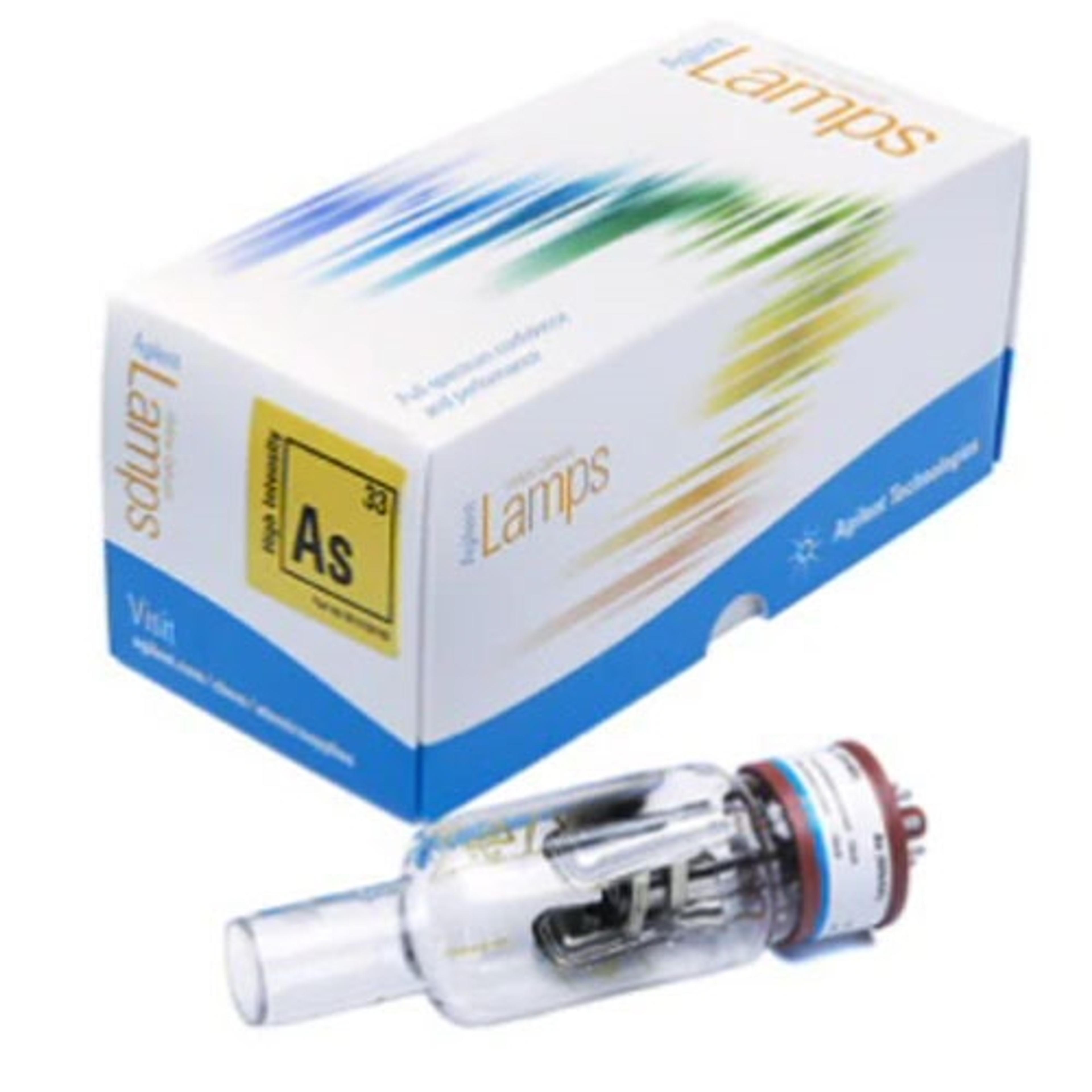
High Intensity UltrAA Lamps
Agilent TechnologiesAgilent UltrAA lamps are high-intensity, boosted discharge hollow cathode lamps that replace conventional lamps used with AA systems. Lamps use standard lamp current but apply an extra boost discharge to increase the emission intensity. The boost current is supplied by a secondary control module (integrated in the instrument, or supplied from an external module). They are compatible with all Agilent AA systems, some require an upgrade. Agilent lamps are manufactured in an ISO 9001 environment using the purest cathode materials for, optimal lifetime, economical operation, and superb performance. They provide high spectral purity, and the processing, and unique lamp conditioning procedures ensure minimal lamp warm-up and stable operation.