Evaluating immune cell therapy potency

13 Sept 2022

This eBook from Agilent provides an overview of the current state of CAR T therapies, showcases the use of xCELLigence Real-Time Cell Analysis (RTCA) technology to evaluate the potency of novel adoptive cell therapies, and demonstrates how this technology can be incorporated into research and development as well as manufacturing workflows of cell therapies.

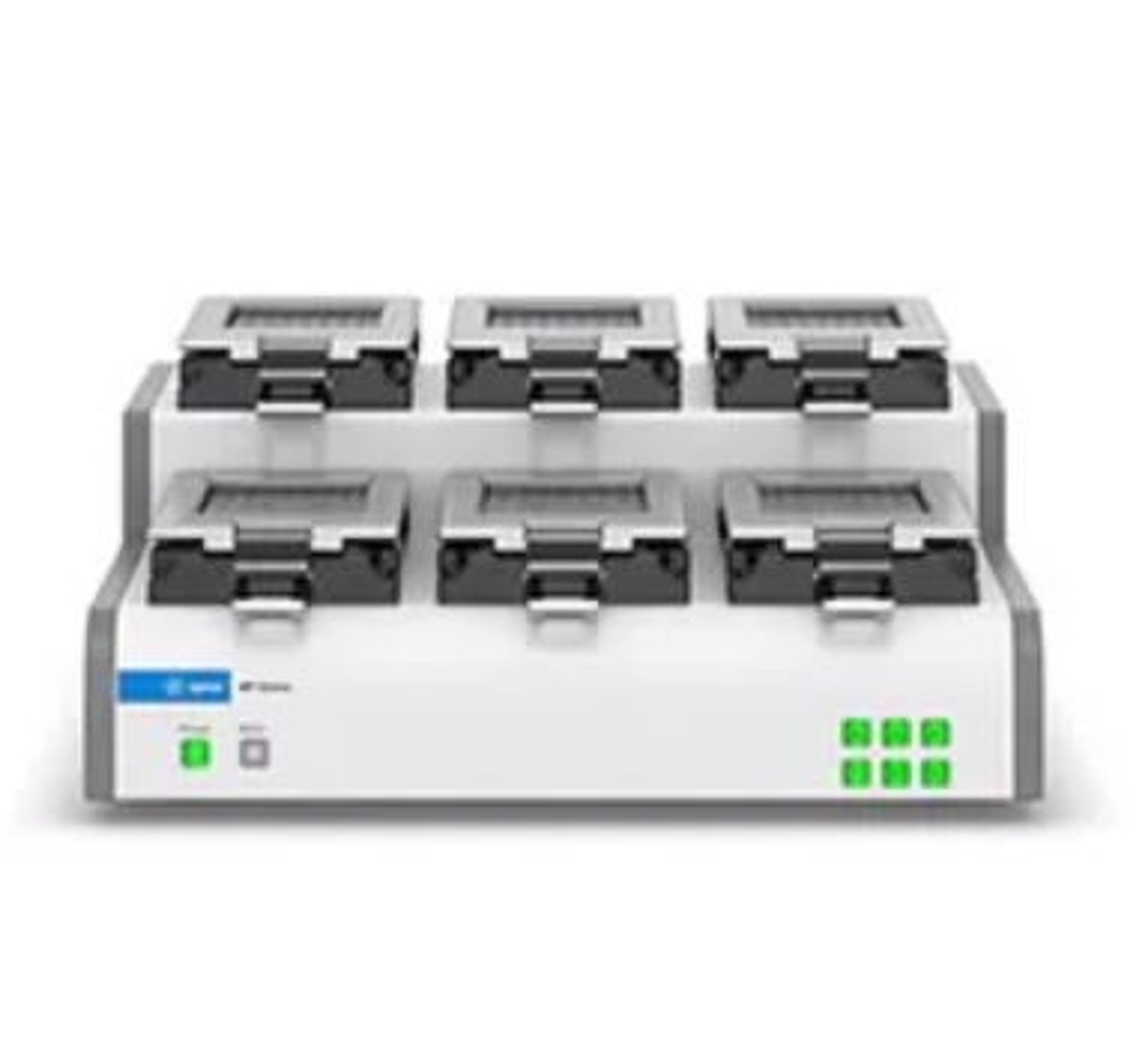
xCELLigence RTCA MP

Agilent Technologies

The Agilent xCELLigence Real-Time Cell Analysis (RTCA) MP instrument uses label-free cellular impedance to continuously monitor cell health, behavior, and function with high accuracy, sensitivity, and reproducibility.  The MP model can host up to six 96-well electronic microplates (E-Plate 96), which can be run in parallel or independently of one another. This multiple plate format is ideal for cell health characterization, immune cell-mediated killing, viral cytopathic effects, cytotoxicity, cell adhesion, cell barrier function (TEER), cell signaling (e.g., GPCR) and other related applications. The instrument operates in a standard CO2 cell culture incubator and the control unit is housed outside the incubator. Simply plate cells and begin monitoring cell behavior to obtain real-time kinetic data for assay windows that stretch from seconds to days. Online data acquisition and offline data analysis are easy to perform using RTCA Software Pro, which also supports FDA 21 CFR Part 11. For Research Use Only. Not for use in diagnostic procedures.  

(12)

Links

Tags

Cell Lines Stem Cells and Primary CellsPrimary cell cultures, established cell lines and stem cells are vital for <i>in vitro</i> and <i>ex vivo</i> experimentation. High-quality cells, optimized for your applications, alongside optimized cell substrates, growth medium and supplements, are critical for experimental success. Explore a range of cells suitable for your applications, including isogenic cell lines, competent cells, induced pluripotent stem cell (iPSC)-derived cell lines, fungal/bacterial/mammalian cell lines, stem cells and cancer cell lines. Find the best cells for your research in our peer-reviewed product directory: compare products, check customer reviews and receive pricing direct from manufacturers.ImmunologyImmunological techniques measure and characterize immune responses. Immunology kits and analysis systems often use techniques such as ELISA, radioimmunoassay (RIA) and immunodiffusion assays, Immunohistochemistry, and flow cytometry. Immunologists use equipment such as flow Cytometers, plate readers, plate washers and fluorescent microscopes.Research and DevelopmentCell AnalysisThe analysis of cells allows researchers to understand the factors which contribute to cell health and function. These influencing processes can then be predicted and altered, leading to the development of medication and disease treatments.Cell TherapyCell therapy involves using living cells to treat diseases, often by replacing damaged cells or stimulating regeneration. Stem cell therapy and CAR-T cell therapy are examples of cutting-edge treatments in regenerative medicine and cancer immunotherapy. Browse our peer-reviewed product directory to find the best cell therapy tools, compare products, check reviews, and get pricing directly from manufacturers.TumorsTumor research focuses on understanding abnormal cell growth that leads to cancer. Identifying biomarkers, studying tumor microenvironments, and developing targeted therapies are critical for advancing cancer treatment. Early detection and personalized treatment options are key to improving outcomes for patients. Browse our peer-reviewed product directory to explore tools for tumor research, diagnostics, and cancer therapies; compare products, read customer reviews, and get pricing directly from manufacturers.
Evaluating immune cell therapy potency