ResourceSeparations

Ensuring Seafood Safety with Rapid Screening for Polyaromatic Hydrocarbons Using LC-Fluorescence

21 Apr 2014

To prevent consumption of contaminated seafood and minimize the impact on the seafood industry, a fast screening method is required to analyze compounds of concern at the stated levels. This application note demonstrates that, following a simple extraction method using Waters DisQuE Dispersive Sample Preparation Kit QuEChERS, an analysis of PAHs can be achieved in less than 4 minutes using the ACQUITY UPLC H-Class System with Fluorescence Detection.

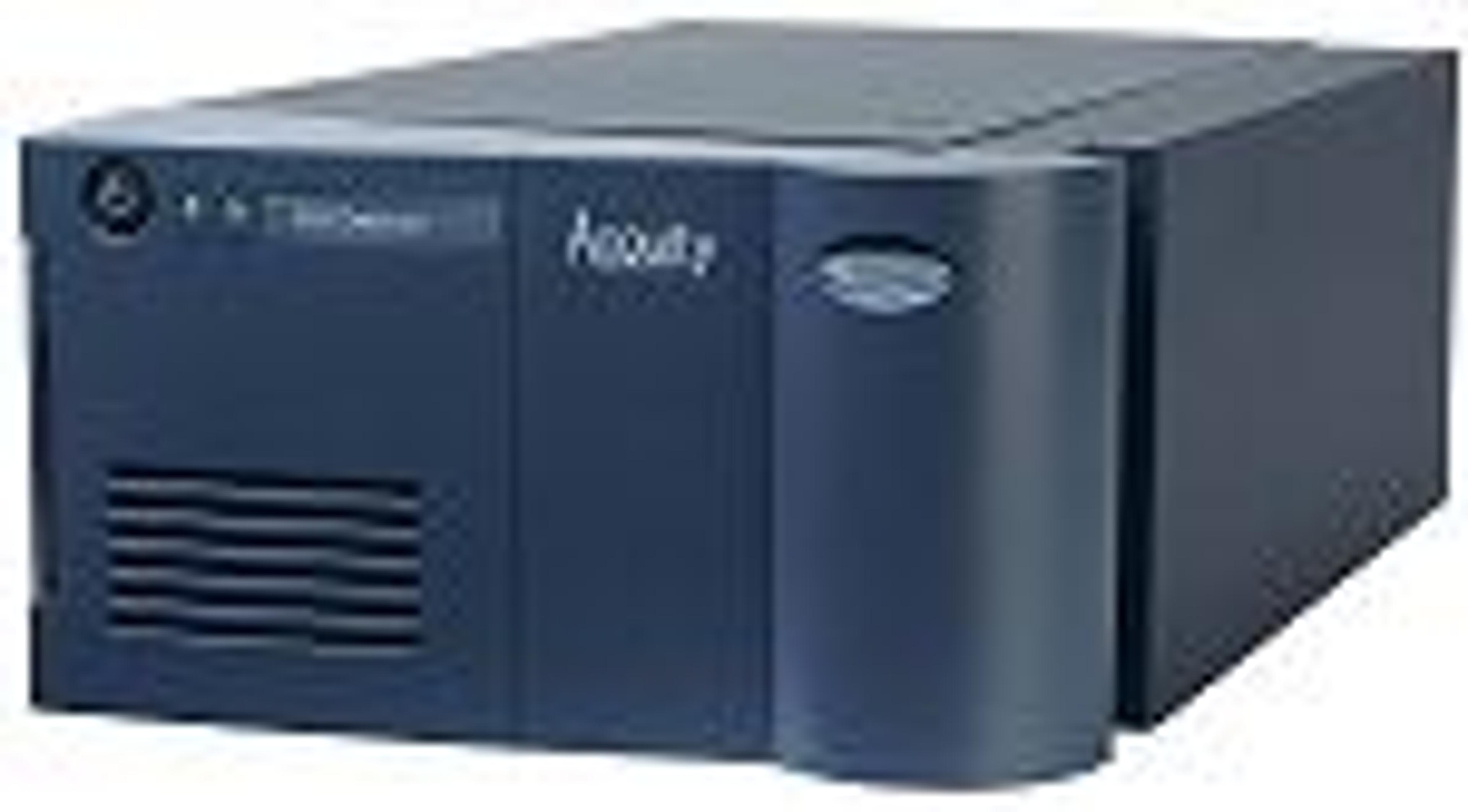
ACQUITY UPLC FLR Detector

Waters

The ACQUITY UPLC® Fluorescence (FLR) Detector brings unrivaled sensitivity and selectivity to UPLC®. The detector’s innovative flow-cell design, low-noise electronics and support for high-speed data rates are perfectly suited to the efficient separations of the ACQUITY UPLC's advanced fluidics technology. Target applications include PAHs, environmental contaminants, vitamins, aflatoxins and pharmaceuticals. Ultra Performance in Fluorescence Detection: Low volume flow cell design ( – The axially illuminated design of this flow cell enables greater light absorption, thereby enhancing sensitivity, despite it’s reduced cell volume. High-intensity light source, low-noise electronics and low dispersion optics – maximizes light throughput ensuring optimal signal-to-noise performance as compared to conventional fluorescence detectors for LC Support for data rates up to 80HZ – fit the requirements of any ultra fast, ultra performance application allowing for the full characterization of the narrow, sharp peaks typical of UPLC type separations 3D scanning capability – allows for the fast determination of wavelength maxima enabling efficient methods development
(0)

Links

Tags

UHPLC and HPLCHigh performance liquid chromatography (HPLC) and ultra high performance liquid chromatography (UHPLC), also known as UPLC, are analytical techniques used to separate, identify and quantitate components of complex mixtures including biological samples such as proteins and lipids as well as chemical mixtures of pesticides, drugs and oils. Both techniques are liquid chromatographic methods but differ by operating pressures (HPLC < 6000 psi < UHPLC ). Components of HPLC and UHPLC systems include columns, detectors, pumps, autosamplers and column heaters. Explore a range of UHPLC and HPLC columns for your specific sample needs including reverse phase, normal phase, ion exchange, HILIC, ion exclusion and size exclusion columns. For more specialized HPLC, explore FPLC, countercurrent LC and simulated moving bed systems. Find the best UHPLC and HPLC equipment in our peer reviewed product directory: compare products, check customer reviews and receive pricing direct from manufacturers.QuEChERSThe QuEChERS (Quick, Easy, Cheap, Effective, Rugged, and Safe) method is a streamlined approach that is used to extract multi-residue target compounds from food samples. It is most commonly used by analytical chemists studying pesticide residues in food.FluorescenceThe emission of fluorescence occurs when a photon of energy is supplied to a fluorescent chemical compound by an external source, causing it to become excited. Fluorescence can be detected and measured for different purposes using microplate readers, fluorescence microscopes, fluorescence scanners, and flow cytometers.PAHsSeafoodFood FraudFood adulteration refers to food when it has been has been altered unlawfully with the addition of another lower commodity food product to increase quantity. The 2013 European horsemeat scandal saw the adulteration of beef products with the addition of horse meat.