
ELISA workflow guide
27 Aug 2020In this application note, Corning provides an overview of the tools you’ll need at each stage of the ELISA workflow, as well as a few tips for choosing the optimal microplate for your particular assay.
Related products
Request Quote for All Products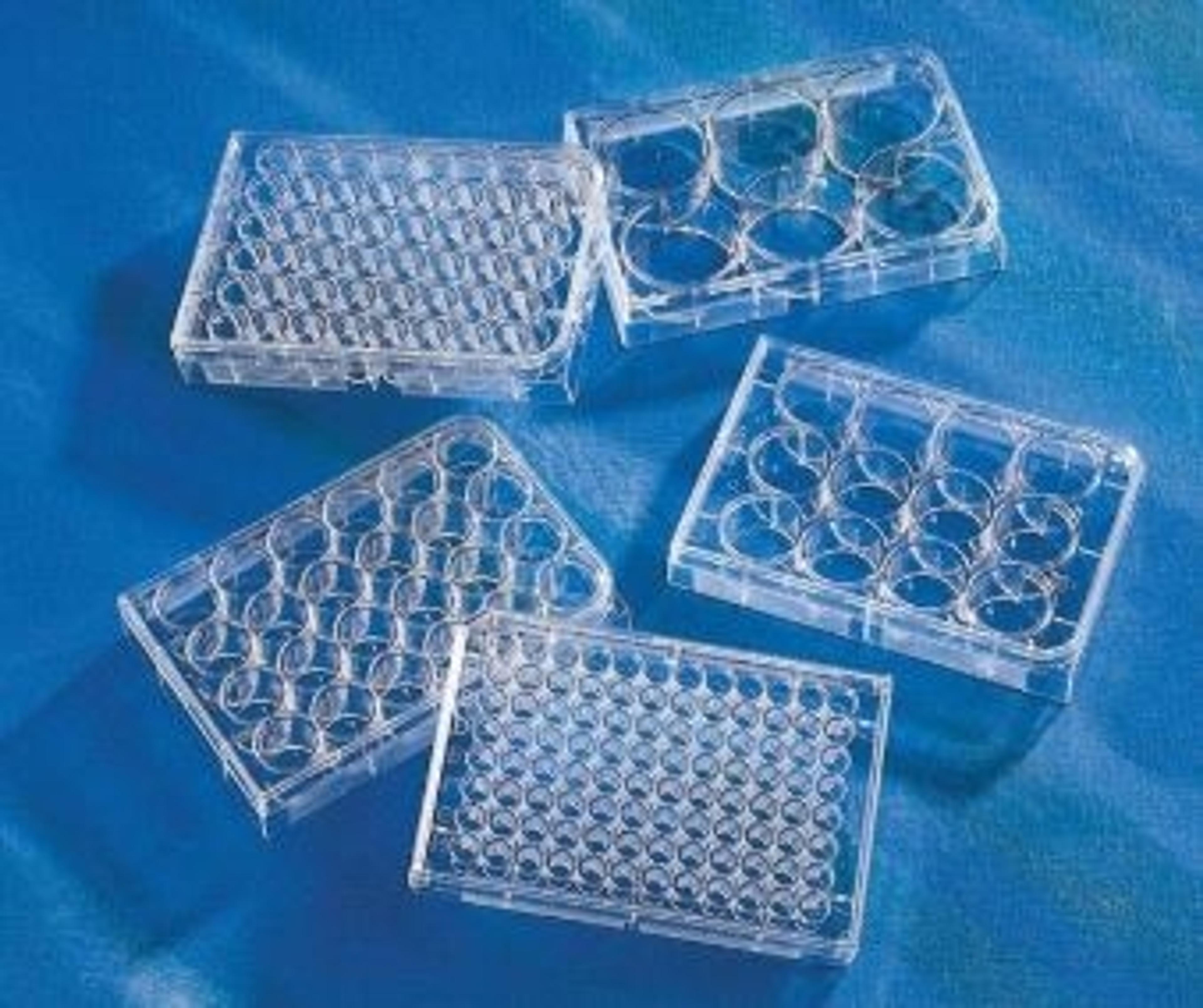
Corning Costar 96-Well, Cell Culture-Treated Flat-Bottom Microplate
Corning Life SciencesColor: Clear; Sterility: Sterile; Lid: With Lid

Axygen® Axypet® Pro Pipettors Starter Kit
Corning Life SciencesAxygen® Axypet® Pro Starter Kit contains 4 variable volume pipettors in the most popular and universal volumes (0.5-10 μL, 2-20 μL, 20-200 μL, and 100-1000 μL), pipet stand for 4 pipettors, and 3 racks with tips. Cat. No. AP-10-P Axygen Axypet Pro Single-channel Pipettor, 0.5 to 10 µL Cat. No. AP-200-P Axygen Axypet Pro Single-channel Pipettor, 20 to 200 µL Cat. No. AP-1000-P Axygen Axypet Pro Single-channel Pipettor, 100 to 1000 µL Cat. No. AP-USD4-P Universal linear stand for four single-channel pipettors Cat. No. MR-10XT-R (10 µL) Axygen Multirack pipet tips Cat. No. MR-200-R (200 µL) Axygen Multirack pipet tips Cat. No. MR-1000XT-R (1000 µL) AxygenSee resource tab below for specifications."