
Easy screening of autophagy-associated acidic compartments
3 Jul 2024There are several techniques and strategies for estimating autophagy, though most of them are cumbersome and not compatible with in vivo experimental designs. Acridine orange (AO) is a cell-permeable fluorescent dye that accumulates in acidic compartments such as lysosomes and autophagic and endosomal vesicles, allowing their detection in live cells. Azure Biosystems demonstrates screening for autophagy activity in cells stained with AO acidotropic fluorescent dye and detected with the Azure Biosystems Sapphire™ FL Biomolecular Imager. With its ability to carry out multiplex fluorescence imaging, and to image multi-well plates including 24-well plates, the Sapphire FL can be part of a quick and easy in vivo evaluation of autophagy induction in cell culture using an AO staining approach.
Related products
Request Quote for All Products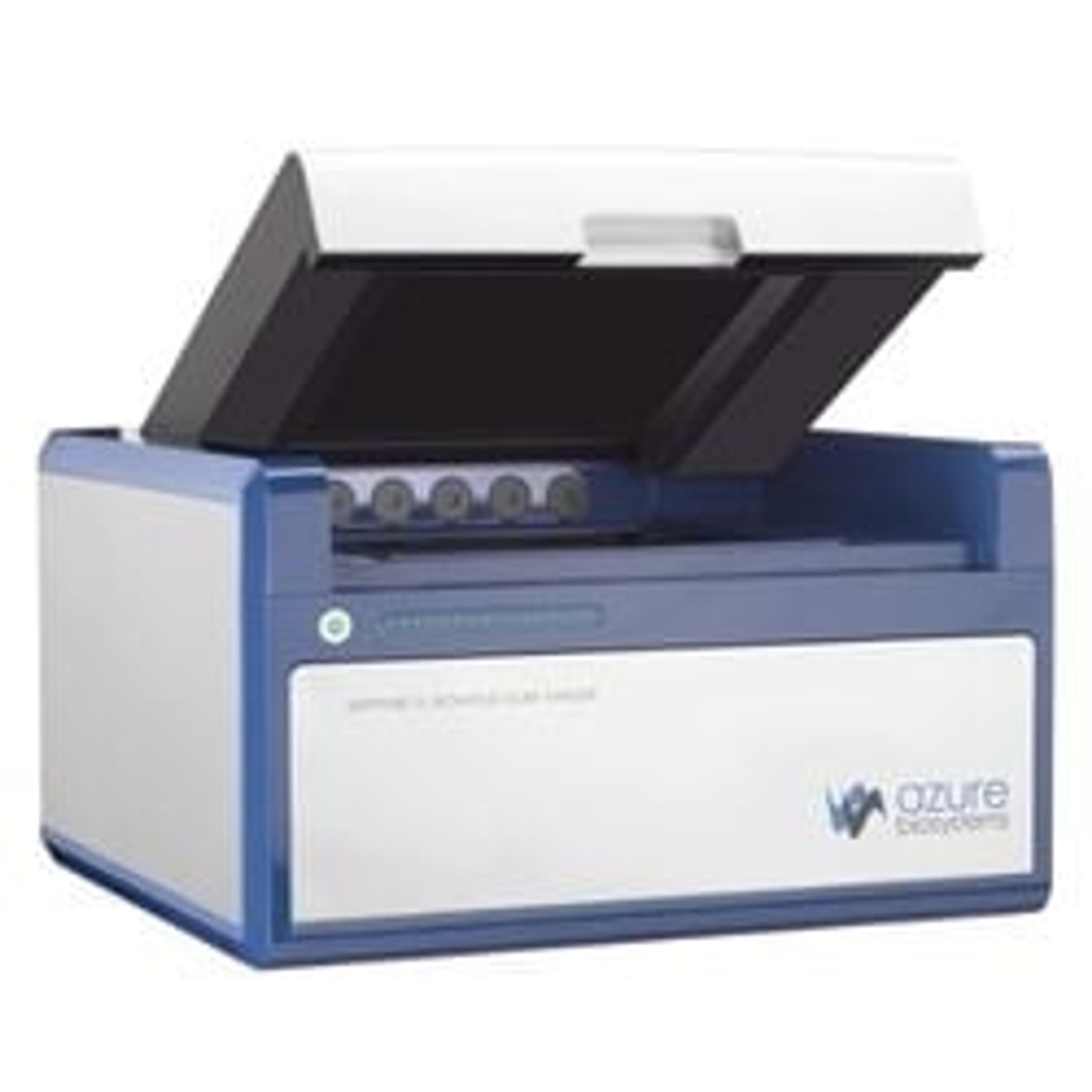
Azure Sapphire FL Biomolecular Imager
Azure BiosystemsDesigned for flexible choice in detection chemistry and samples, the Sapphire FL brings precise quantitation of nucleic acids and proteins.