ResourceSeparations

Direct Detection of Glutathione Conjugates in Human Liver Microsomes Using ACQUITY UPLC I-Class, Xevo G2-S QTof, and UNIFI

26 Mar 2014

This application note demonstrates the use of MSE data acquisition for detecting reactive metabolites using clozapine as a model compound. Through integrated charge state deconvolution and detection using the Metabolite Identification Application Solution in UNIFI, all metabolites, including parent, phase I metabolites, and phase II GSH conjugates are detected and tracked across the dataset automatically.

Metabolite Identification Application Solution with UNIFI

Waters

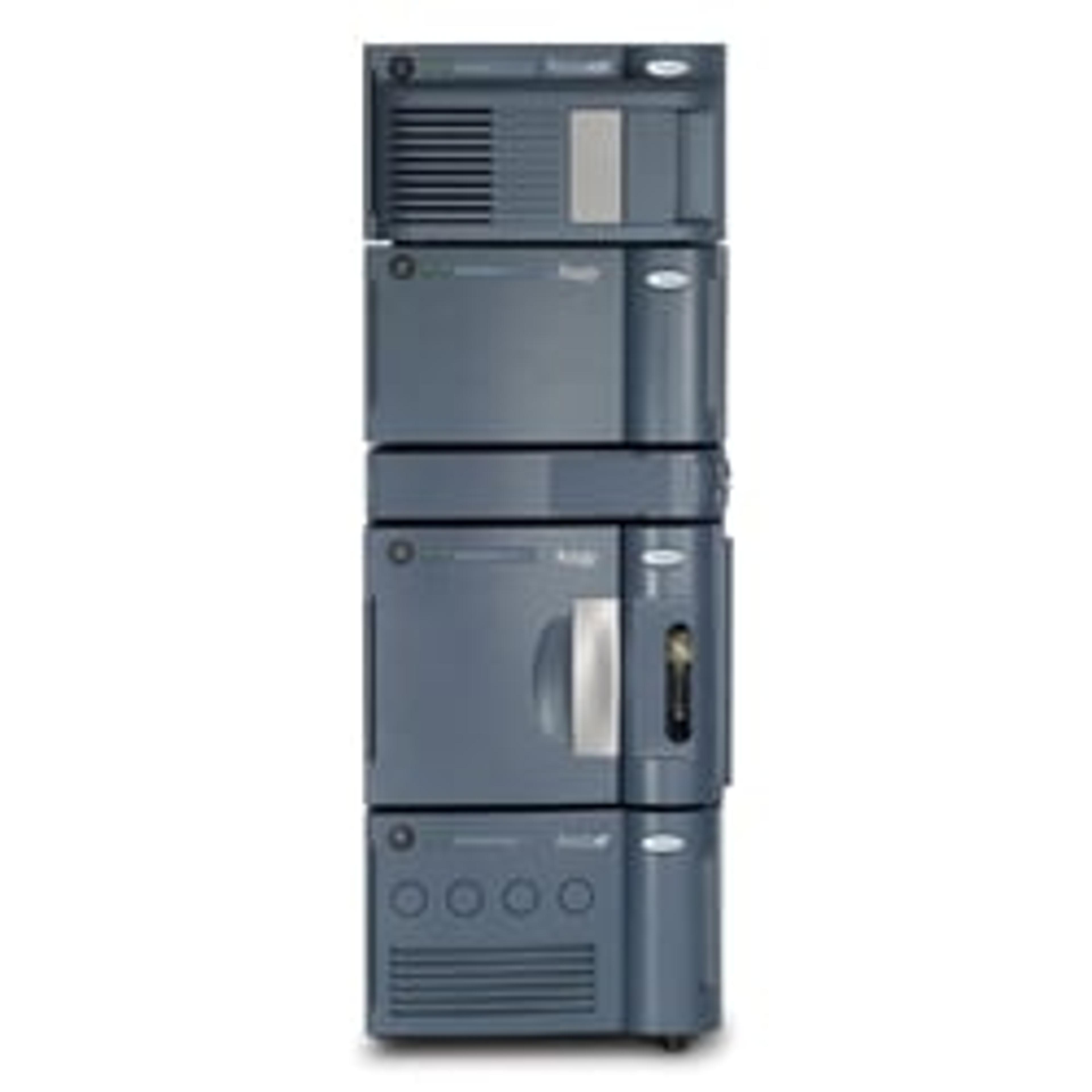
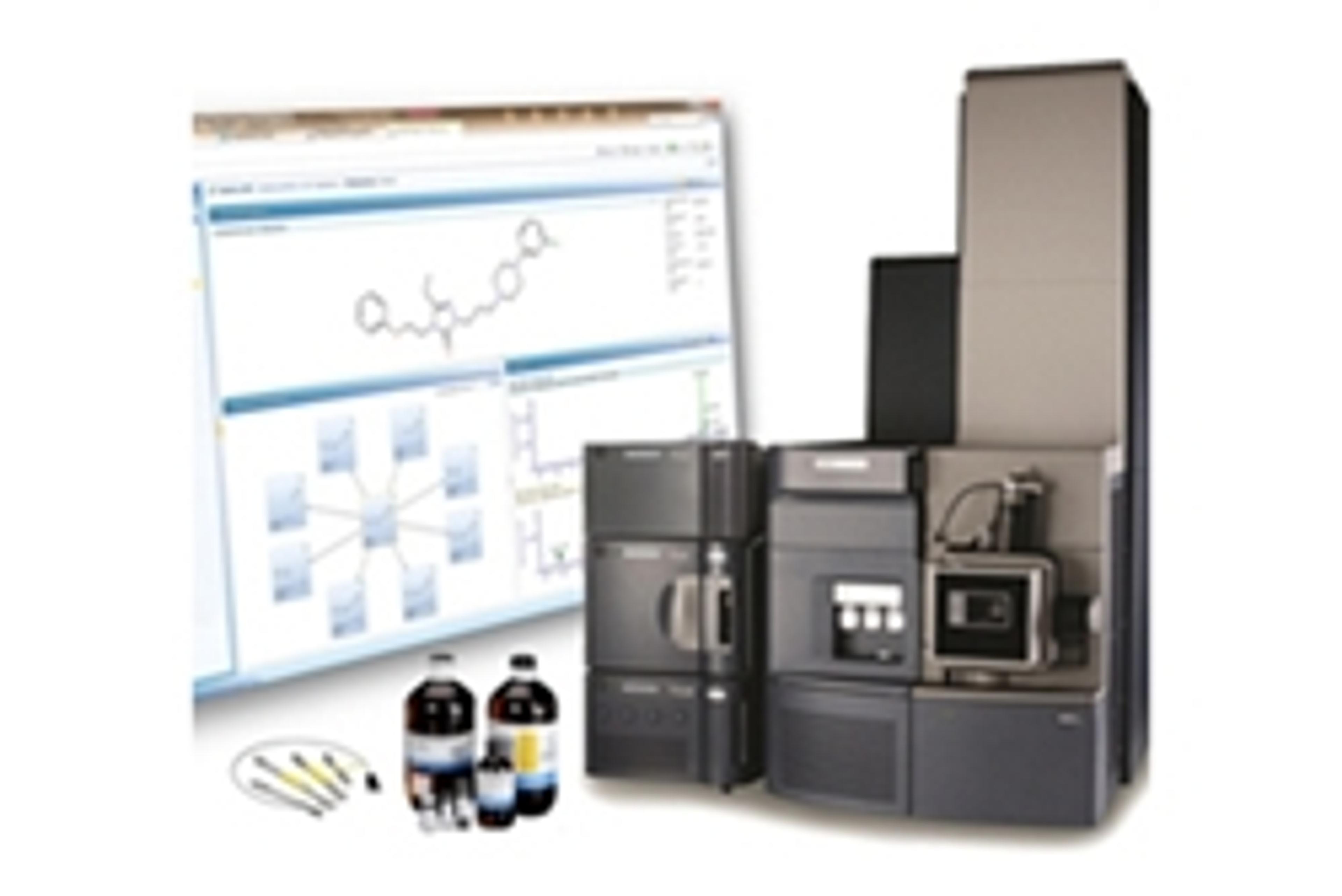
The Waters Metabolite Identification and Application Solution with UNIFI® is built to excel in identifying and characterizing metabolites, incorporating both qualitative and quantitative tools in both drug discovery and development.The UNIFI Scientific Information System brings ease and efficiency to routine processes to enable laboratories to rapidly derive results from complex data sets. In discovery, the system helps researchers acquire answers and knowledge and more quickly so the right molecules can be selected for the pipeline, allowing laboratories to proceed or change direction with confidence. In development, it excels in unsurpassed tracking of metabolites and storage of all data surrounding the study; include pdf and Microsoft Office documents, weblinks, structures, metadata, etc., in its user-manageable scientific library.Solution consists of:ACQUITY UPLC I-Class SystemXevo G2-S QTofUNIFI Scientific Information SystemWaters Analytical Standards and Reagents

(0)

Links

Tags

UHPLC and HPLCHigh performance liquid chromatography (HPLC) and ultra high performance liquid chromatography (UHPLC), also known as UPLC, are analytical techniques used to separate, identify and quantitate components of complex mixtures including biological samples such as proteins and lipids as well as chemical mixtures of pesticides, drugs and oils. Both techniques are liquid chromatographic methods but differ by operating pressures (HPLC < 6000 psi < UHPLC ). Components of HPLC and UHPLC systems include columns, detectors, pumps, autosamplers and column heaters. Explore a range of UHPLC and HPLC columns for your specific sample needs including reverse phase, normal phase, ion exchange, HILIC, ion exclusion and size exclusion columns. For more specialized HPLC, explore FPLC, countercurrent LC and simulated moving bed systems. Find the best UHPLC and HPLC equipment in our peer reviewed product directory: compare products, check customer reviews and receive pricing direct from manufacturers.Mass SpectrometryMass spectrometry (MS) is a powerful analytical technique used to identify and quantify molecules based on the mass-to-charge ratio of gas-phase ions. It provides detailed information about the structure, composition, and properties of compounds and is widely used across fields such as environmental monitoring, materials science, drug discovery and development, food and beverage testing, and wider chemical research. Key MS techniques include tandem mass spectrometry (MS/MS), liquid chromatography–mass spectrometry (LS-MS) and inductively coupled plasma (ICP-MS). Choosing from these wide range of techniques and technologies can be a daunting task, so keep up to date with scientific applications, performance expectations, and customer reviews here all in one place. Visit our product directory to receive quotes direct from the manufacturer. MetabolomicsMetabolomics is the study of small metabolites (the intermediates and products of metabolism). It involves the identification and quantification of cellular metabolites using analytical technologies such as GC, HPLC, NMR, and LC/MS.