
Development of monoclonal cell lines - Available technologies and overcoming challenges
30 Aug 2023For decades, limiting dilution and single cell sorting have been the primary methods for development of monoclonal cell lines. Significant disadvantages of cellular damage, slow workflows, and questions of clonality have remained outstanding problems with these methods. Newer single cell dispensers have provided significant improvements in assurance of clonality and confluence, but yields can still be low due to cellular perturbation from the selection process. Furthermore, there are new demands for a wider array of selection capabilities for stem cells/iPSCs, organoids, adherent cells, and rare cell types. In this whitepaper, Cell Microsystems presents the CellRaft Air System, which is an integrated platform that encompasses imaging, tracking, analysis, and automated isolation of verified monoclonal cultures. It offers significant cost-saving, viability, and high outgrowth advantages over other systems that require additional space, equipment, and manual labor. The CellRaft Air System is robust for numerous applications such as cell line development, CRISPR gene editing, stem cell culture, organoid development, and single-cell genomics, making it ideal for a wide range of fields.
Related products
Request Quote for All Products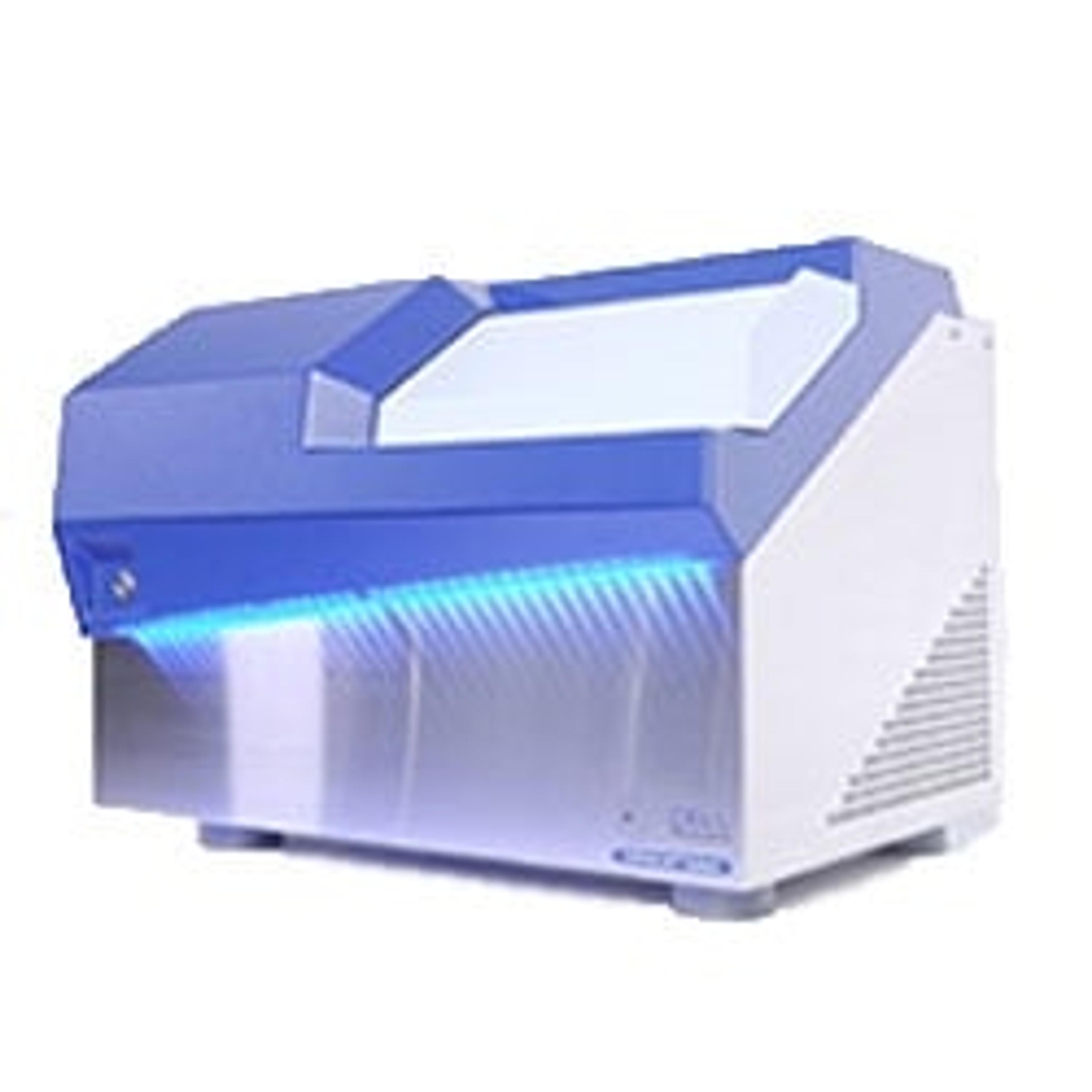
CellRaft AIR System
Cell MicrosystemsEmpowering the generation and automated isolation of monoclonal colonies from single cells