
Determination of Pesticide Residues in Marijuana by QuEChERS and LC-MS/MS
30 Jan 2015The medical use of marijuana has been legalized in many states in the USA. With this limited legalization and use of marijuana, the determination of pesticide residues becomes important. Patients taking medical marijuana in conjunction with other therapies may be more vulnerable to toxic substances, such as pesticides. This poster presents a robust and efficient method using the AOAC QuEChERS and LC-MS/MS techniques to determine pesticide concentrations in marijuana samples.
Related products
Request Quote for All Products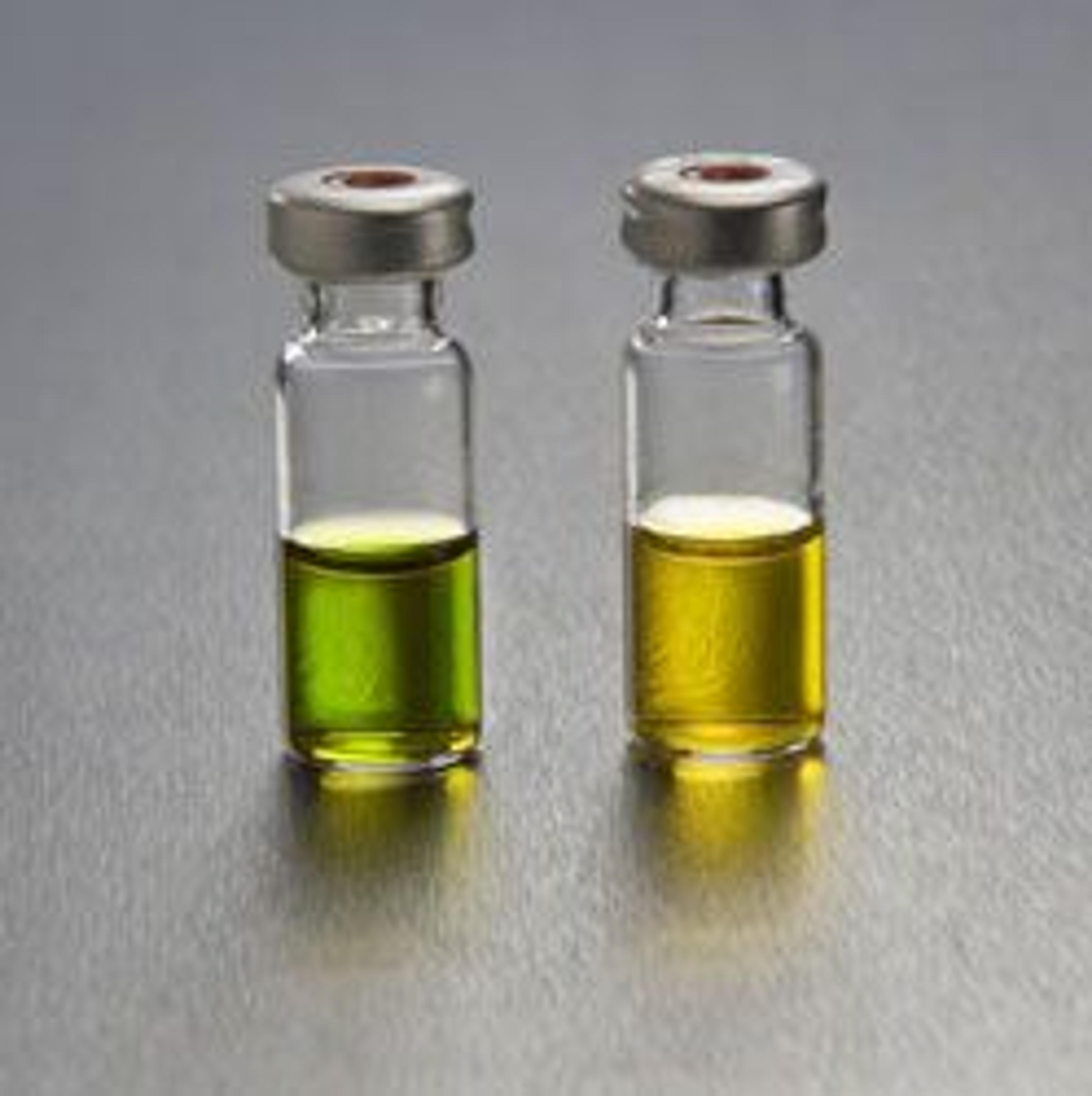
ChloroFiltr® for QuEChERS dSPE Clean-Up
UCT, Inc.Chlorophyll in QuEChERS extracts must be removed to reduce potential instrument downtime. This is removed from extracts using graphitized carbon black (GCB) Unfortunately, GCB also removes planar analytes reducing analytical accuracy. ChloroFiltr®, used in place of GCB in dSPE tubes, removes unwanted chlorophyll without removing pesticides or environmental analytes. No change in procedure are required.
QuEChERS
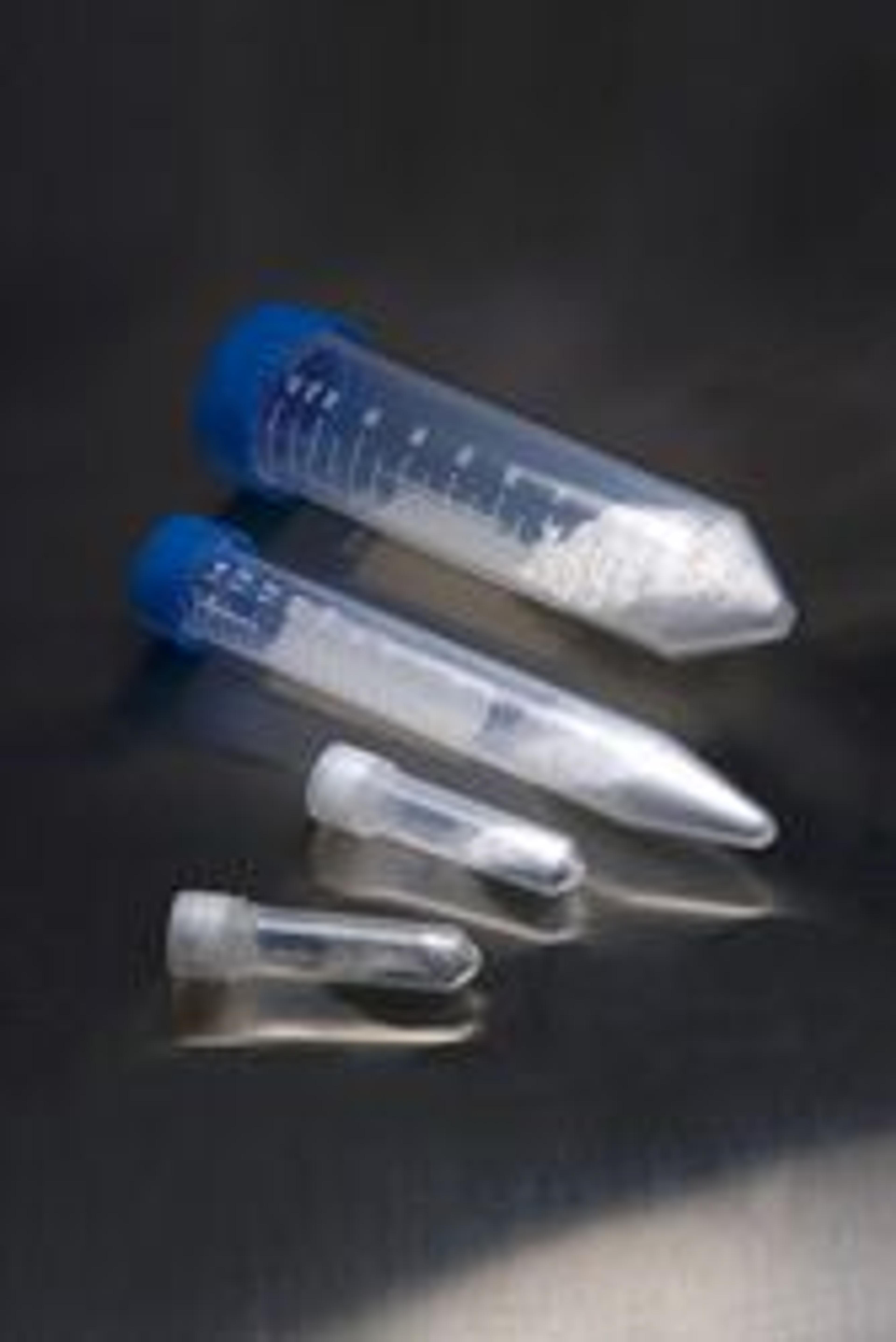
UCT, Inc.QuEChERS (Quick, Easy, Cheap, Effective, Rugged and Safe) is a sample extraction and clean-up technique used for the analysis of multiple pesticide residues in agricultural products. UCT manufactures a wide variety of pre-filled tubes and reagent pouches for all QuEChERS method variations including PSA, C18, buffers, anh. MgSO4, NaCl, ChloroFiltr, and carbon.