
ResourceSpectroscopy
Critical Micellization Temperature Determination Using Multi-Angle Dynamic Light Scattering
12 Feb 2019Learn how the Zetasizer Ultra can provide a simplified approach to characterizing surfactant micelles.
Related products
Request Quote for All Products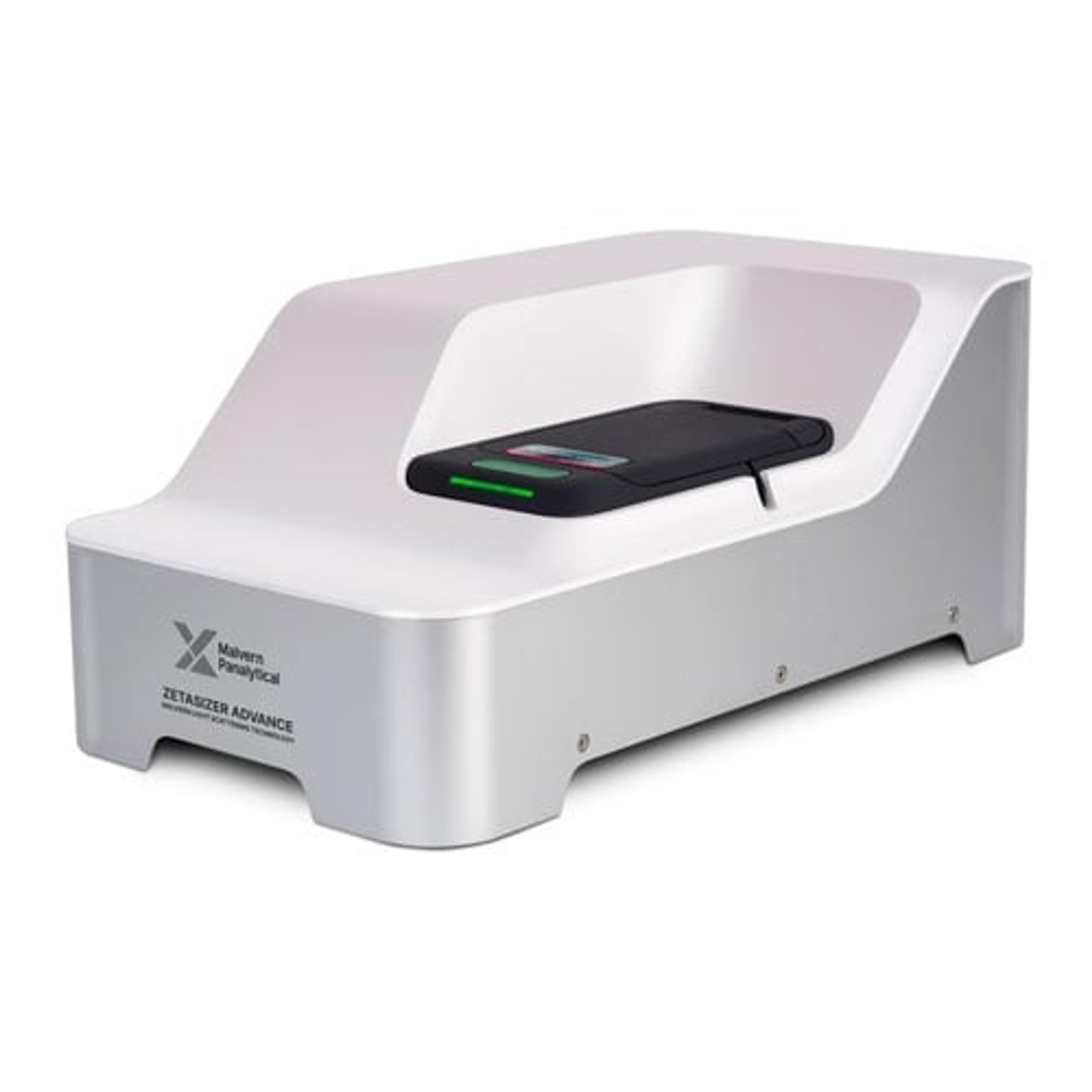
Links
Tags
Mass SpectrometryMass spectrometry (MS) is a powerful analytical technique used to identify and quantify molecules based on the mass-to-charge ratio of gas-phase ions. It provides detailed information about the structure, composition, and properties of compounds and is widely used across fields such as environmental monitoring, materials science, drug discovery and development, food and beverage testing, and wider chemical research. Key MS techniques include tandem mass spectrometry (MS/MS), liquid chromatography–mass spectrometry (LS-MS) and inductively coupled plasma (ICP-MS). Choosing from these wide range of techniques and technologies can be a daunting task, so keep up to date with scientific applications, performance expectations, and customer reviews here all in one place. Visit our product directory to receive quotes direct from the manufacturer.
Next Generation SequencingNext-generation sequencing (NGS), also known as whole-genome sequencing, high-throughput sequencing and massive parallel sequencing, produces and analyses thousands to millions of nucleotide sequences at once. Sequencing systems operate via varying technologies depending on the manufacturer, including sequencing by synthesis, ligation, pyrosequencing, ion semiconductor and single-molecule real-time sequencing. For NGS, library preparation is paramount to successful sequencing. In this section, explore a range of library preparation kits, from targeted, amplicon-based or hybridization-based kits including epigenomic, transcriptomic and genomic workflows to fragmentation kits. Find the best next-generation sequencing products in our peer-reviewed product directory: compare products, check customer reviews and receive pricing direct from manufacturers.Dynamic Light ScatteringDynamic light scattering is used to measure the size distribution of particles in suspension by analyzing the way light scatters off them. It is commonly used in materials science, nanotechnology, and protein characterization. Browse our peer-reviewed product directory to find the best dynamic light scattering systems, compare products, check reviews, and get pricing directly from manufacturers.Temperature