
ResourceGeneral Lab
Controlled synthesis of lipid nanoparticles using the Automated Nanoparticle System
7 Aug 2022In this application note, Particle Works demonstrates how the Automated Nanoparticle (ANP) System automates the development of lipid nanoparticle (LNP) formulations, ensuring consistent results from run-to-run, and offering its users savings in both time and reagent costs, due to its ability to work with small sample volumes.
Related products
Request Quote for All Products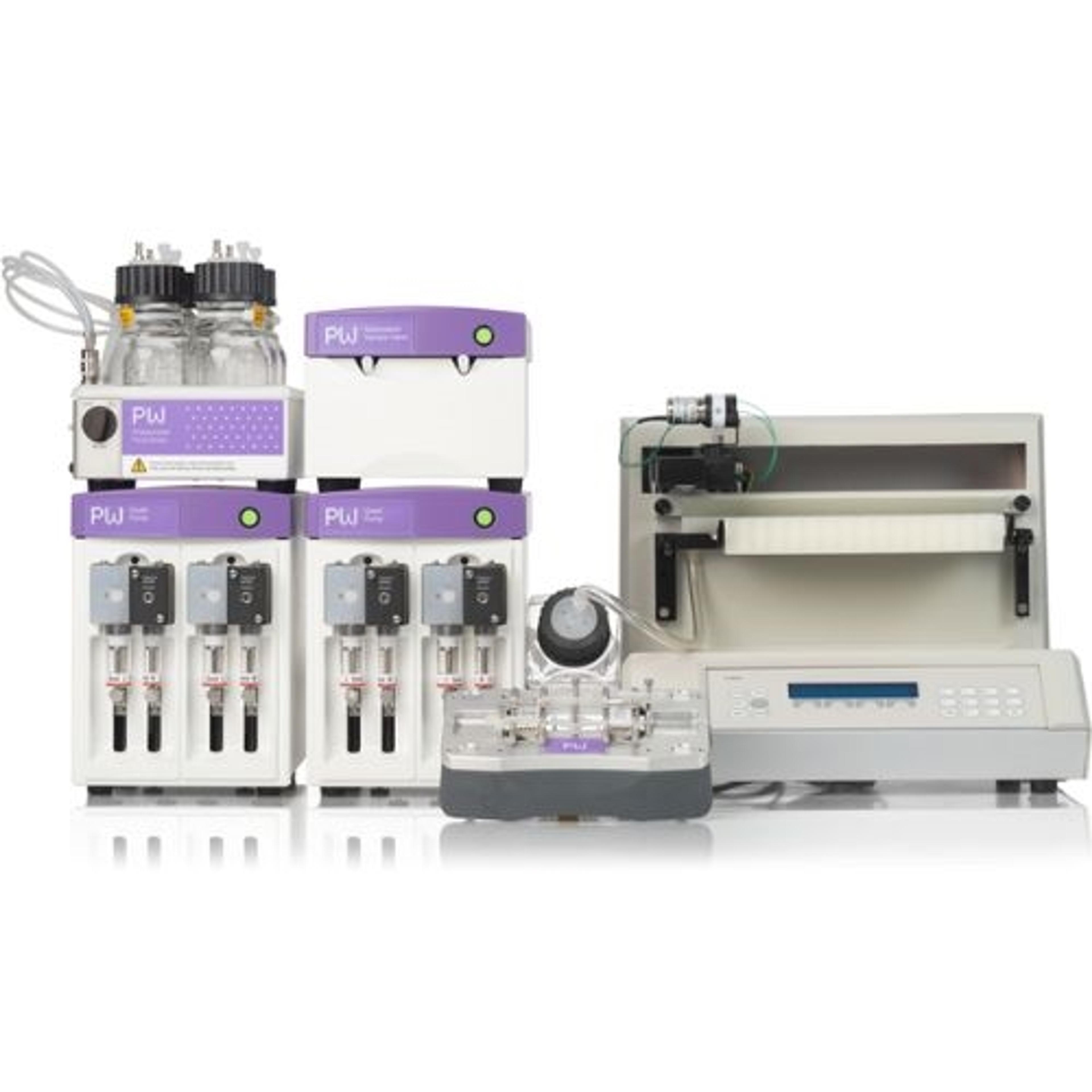
ANP System
The ANP System is a unique, comprehensive & flexible microfluidic system for process optimization of nanoparticles for vaccine & drug development. Simple to set up and featuring walk-away automation, it enables both low volume process development & continuous production of liters of LNP samples for your most promising formulations - running 15 experiments in under 20 minutes.
Tags
Combinatorial ChemistryCombinatorial chemistry, also known as combichem, is a technique used in drug discovery to create libraries of structurally related compounds. A library is generated by synthesis with a chemical reactor system or by computer-based modeling of compound combinations. When undertaking combinatorial chemistry consider reagents, buffers, resins and standards.NanotechnologyNanotechnology, or nanotech, is an engineering technique using molecular scale functional systems. Applications of nanotechnology include medicine and medical devices, electronics, air and water purification, food science and energy production.Drug DeliveryDrug Delivery refers to dosage form, route of administration, formulations, technologies, and systems for transporting a pharmaceutical compound in the body as needed to safely achieve its desired therapeutic effect. Drug delivery is often approached via the biopharmaceutical or small molecule drug's formulation, but it may also involve medical devices or drug-device combination products. Considerations include instrumentation, software and services. LipidsLipids are a diverse group of organic compounds that are insoluble in water, including fats, oils, and hormones. They are critical for cellular structure and energy storage. Explore lipid analysis tools in our peer-reviewed product directory; compare products, check reviews, and get pricing directly from manufacturers.NanoparticlesNanoparticles are between 1-100nm in size. Nanoparticles can be used for a wide variety of applications including biomedical, catalysis and electronics.Drug DevelopmentDrug development refers to the process of bringing a new drug to market.