
Constant Temperature Lab Equipment and Thermoelectric Technology: Thermoelectric Incubator Solutions to Reduce Your Lab’s Carbon Footprint
12 Feb 2014Lab equipment and energy efficiency are often a contradiction in terms and technology. This white paper addresses the drawback of traditional compressor based incubators and presents a new technology that can improve your testing process while reducing your energy usage.
Related products
Request Quote for All Products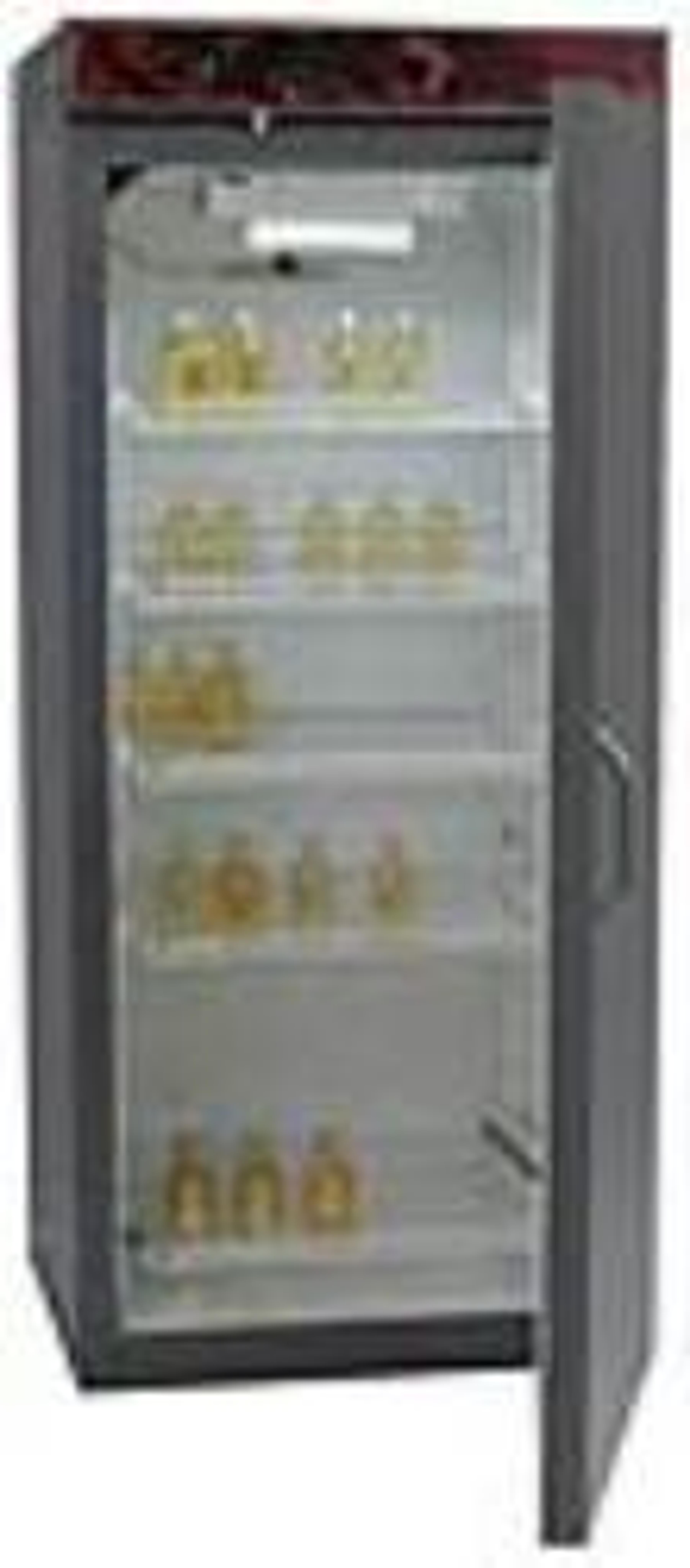
Energy Efficient Refrigerated Incubators (SRI3P, SRI6P, SRI20P)
SHEL LABUsing innovative thermoelectric cooling technology, the SRI3P, SRI6P and SRI20P eliminate the need for a refrigeration compressor This means that these units use 78% less power than alternative models and reduce room air conditioning loads by 75%. They also include 75-pound capacity shelves, which eliminates sagging. These incubators meet APHA specifications for Biochemical Oxygen Demand (BOD) and include a mechanical convection system to ensure even air distribution, digital temperature set controller, over temperature limit control, and a digital temperature display.Low Temperature Incubators are ideal for testing of sewage and wastewater, as well as other low and room temperature applications.