Considerations for cleared tissue imaging with light-sheet fluorescence microscopy in neuroscience research

18 Jul 2023

A major goal in the field of neuroscience is to understand the connectivity of the brain across scales, from individual synaptic connections to whole organism connectomics. Visualizing the whole brain often requires imaging at depths that are not supported by conventional imaging methods, such as laser scanning confocal microscopy. In recent years, light-sheet fluorescence microscopy (LSFM) has emerged as an imaging technique capable of addressing a wide variety of applications in neuroscience due to its faster acquisition speed and larger imaging depth compared to confocal microscopy. Although early implementations of LSFM were optimized around imaging developmental processes in typical model organisms, technological advances in optics have allowed researchers to extend this technique to much larger samples, such as an entire mouse brain. Combined with emerging tissue clearing techniques, researchers are now able to investigate intact tissues, organs, and even entire organisms with subcellular resolution using light microscopy methods. The versatility of LSFM for neuroscience research has contributed to its rapid adoption and increasing popularity in the scientific community. However, there are multiple important factors one must consider when moving from standard imaging techniques to LSFM. In this application note, Bruker discusses the reasons why LSFM and clearing techniques are particularly useful for neuroscience research, important considerations for neuroscientists adopting this technology, and application examples of LSFM for cleared sample imaging.

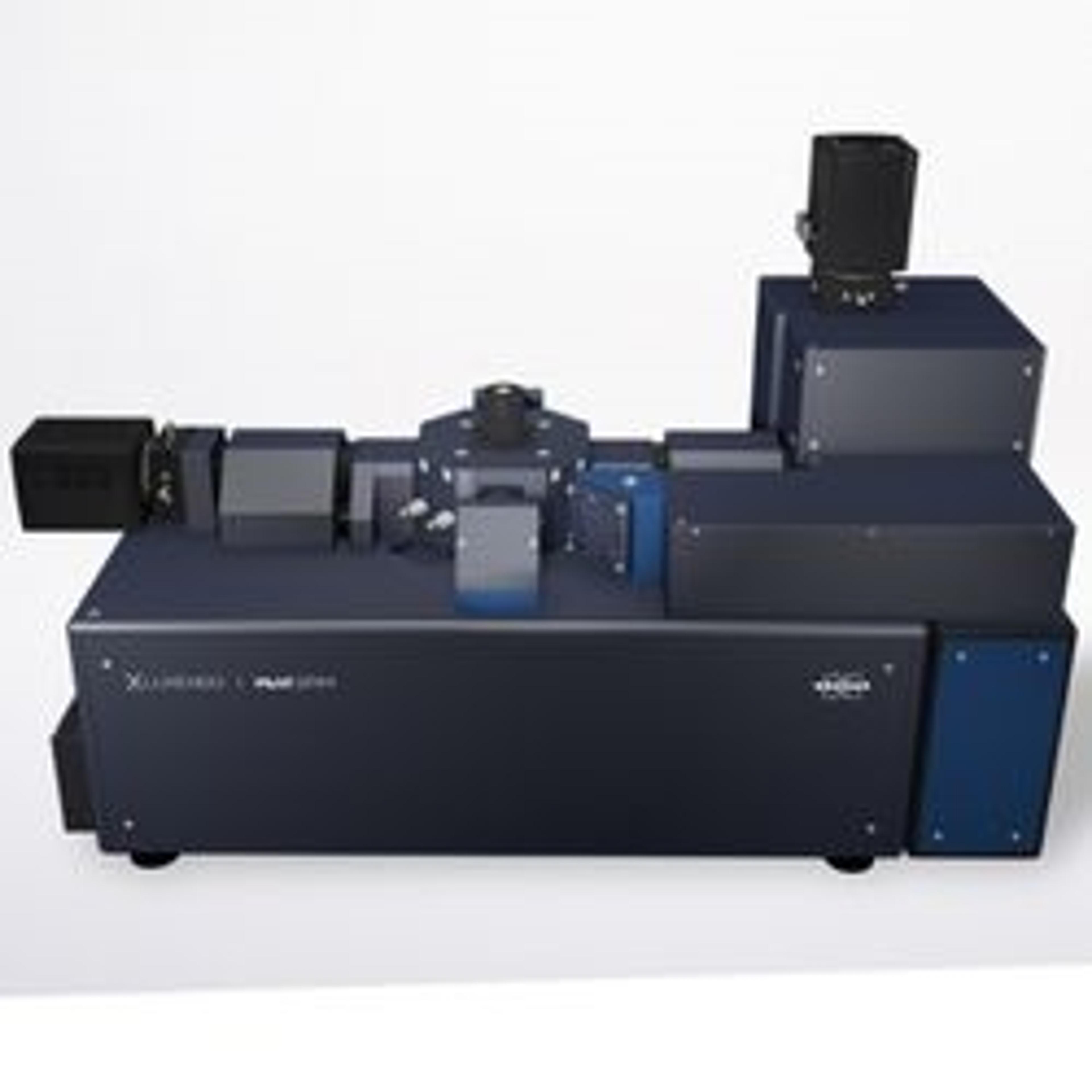
MuVI SPIM

Bruker Fluorescence Microscopy

Bruker's MuVi Selective-Plane Illumination Microscope (SPIM) is the fastest multi-angle view system on the market. MuVi incorporates years of Luxendo light-sheet technology innovations to provide high-speed volumetric acquisition for analyzing dynamic processes in delicate live specimens, as well as offering compatibility with any clearing method. A variety of other advanced hardware and software integrations can be easily configured to support evolving multidimensional experimental needs.

(0)

Links

Tags

Cell / Tissue CultureCell culture or tissue culture is used to study the biology of cells or tissues and to isolate cellular products in an environment which can be manipulated and well defined. Accurately control your culture environment with bioreactors or culture incubators, bind your cells to a surface or together with an extracellular matrix. Distinguish cell types with differential media or proliferate cells with certain characteristics using selective media. Enrich your media with supplements such as growth factors, sera and vitamins. Find the best cell and tissue culture products, kits and equipment in our peer-reviewed product directory: compare products, check customer reviews and receive pricing direct from manufacturers.Cell Lines Stem Cells and Primary CellsPrimary cell cultures, established cell lines and stem cells are vital for <i>in vitro</i> and <i>ex vivo</i> experimentation. High-quality cells, optimized for your applications, alongside optimized cell substrates, growth medium and supplements, are critical for experimental success. Explore a range of cells suitable for your applications, including isogenic cell lines, competent cells, induced pluripotent stem cell (iPSC)-derived cell lines, fungal/bacterial/mammalian cell lines, stem cells and cancer cell lines. Find the best cells for your research in our peer-reviewed product directory: compare products, check customer reviews and receive pricing direct from manufacturers.Light MicroscopyLight microscopes or optical microscopes are used to visualize microscale objects under magnification, including cells, clinical specimens and materials. Lab equipment for light microscopy includes confocal microscopes, fluorescence microscopes, zoom and stereo microscopes. Microscope slides and imaging reagents are available for visualizing samples, as well as various microscope stages and incubators for large or temperature-sensitive samples. Find the best light microscopes in our peer-reviewed product directory: compare products, check customer reviews and receive pricing direct from manufacturers.NeuroscienceNeuroscience research investigates the neurological mechanisms underlying behavior, neurodegenerative diseases, and other brain conditions. Learn about the innovative technologies for bioimaging, electrophysiology, cell culture, chromatography and other techniques used in this field.FluorescenceThe emission of fluorescence occurs when a photon of energy is supplied to a fluorescent chemical compound by an external source, causing it to become excited. Fluorescence can be detected and measured for different purposes using microplate readers, fluorescence microscopes, fluorescence scanners, and flow cytometers.Fluorescence MicroscopyFluorescence microscopy has become an essential tool in biology, as well as in materials science. The application of many fluorochromes has made it possible to identify cells and sub-microscopic cellular components with a high degree of specificity. Using multiple fluorescence labels, different probes can simultaneously identify several target molecules.NeuronsNeurons are the fundamental units of the brain and nervous system, involved in transmitting information. Understanding neuron function is critical in neurobiology, neuroscience, and neurodegenerative disease research. Explore neuron research tools in our peer-reviewed product directory; compare products, check reviews, and get pricing directly from manufacturers.