Comparison of Gator BLI and Progen ELISA for quantitation of AAV serotypes

7 Mar 2022

In this application note, Gator Bio presents quantitation data of AAV serotype 2, 5, 8, and 9 using GatorPrime™ system and Gator™ AAVX probes and compares the performance with Progen Xpress ELISA assay for the same serotypes.

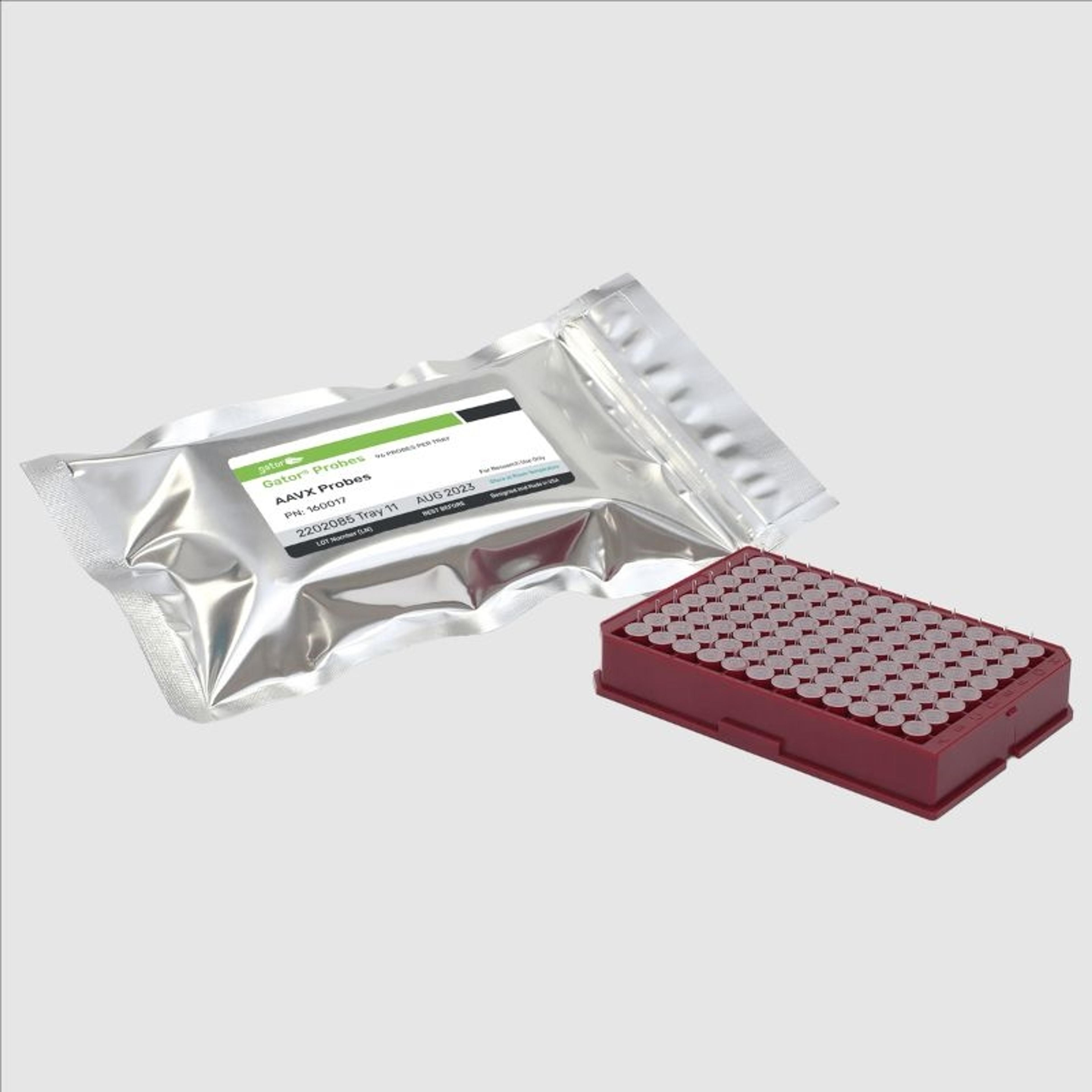
Gator™ AAVX Probes from Gator Bio

Gator Bio

Enables the direct capture and quantitation of different serotypes of AAV in crude lysates, column eluates, cell lysates and cell culture supernatants using the CaptureSelect™ anti-AAVX ligand. Total AAV capsid is determined by this quantitation technique.
(0)

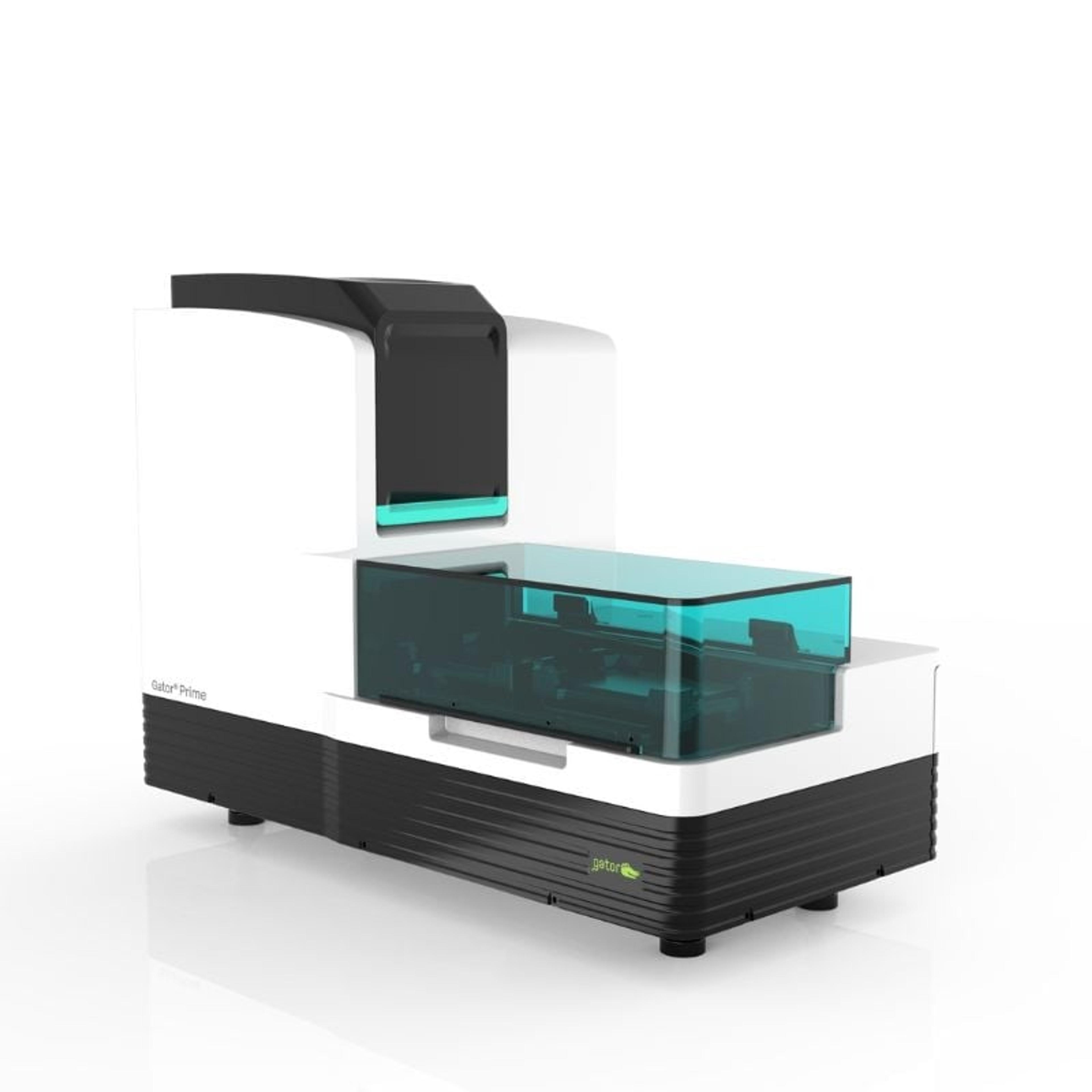
Gator®Prime

Gator Bio

One and Done With 8 independent spectrometers capable of running 8 samples at once, this instrument allows for assays sizes from 1 sample to 168 samples in one run. Flexible to accommodate various applications including quantitation, kinetics, and epitope binning. Easy to use and operate, this is an instrument that everyone in the laboratory can know how to run. This is truly a plug and play instrument, taking less than 30 minutes to set up and install.

(6)

Links

Tags

Combinatorial ChemistryCombinatorial chemistry, also known as combichem, is a technique used in drug discovery to create libraries of structurally related compounds. A library is generated by synthesis with a chemical reactor system or by computer-based modeling of compound combinations. When undertaking combinatorial chemistry consider reagents, buffers, resins and standards.ELISAEnzyme-linked immunosorbent assays (ELISA), also known as enzyme immunoassays (EIA), are used for the detection and quantification of proteins, peptides and antibodies in a sample. ELISA often comes in kit format, with pre-selected antibody pairs to detect specific proteins or biomarkers of diseases such as diabetes and obesity, or cardiovascular and neurological disorders. Detection is made possible with chemiluminescent, fluorescent or colorimetric substrates and detection instruments such as microplate / ELISA readers. Other kits available include: Enzyme-linked immunospot (ELISPOT) assays for the quantification of protein-producing cells and chemiluminescent immunoassays (CLIA) kits. Find the best ELISA kits and products in our peer-reviewed product directory: compare products, check customer reviews and receive pricing direct from manufacturers.Cell-Based AssaysCell-based assays are used to monitor the presence, quantity and activities of a desired cellular analyte including drug molecules or biomarkers. This can reveal information on cell health (apoptosis, cytotoxicity, viability and proliferation assays), cell metabolism, cell migration and cell signaling mechanisms. Find the best cell-based assay products, kits and equipment with our peer reviewed product directory: compare products, check customer reviews and receiving pricing direct from manufacturers.Protein QuantificationThe detection and quantification of proteins in a sample is vital across life sciences, pharmaceutical research and clinical diagnostics, and a variety of equipment is available to scientists to simplify the workflow. Proteins of interest can be easily labeled and detected on light-based detection instruments. Immunoassay kits allow you to identify a specific protein of interest and protein detection beads or antibody microarrays allow you to identify multiple specific proteins at once. Protein interactions and enzyme activity can also be monitored with protein-protein interaction assays. Additionally, the biophysical characterization of proteins is made easy with biokinetic analyzers. Find the best protein detection and quantification products in our peer-reviewed product directory: compare products, check customer reviews and receive pricing direct from manufacturers.Gene EditingGene editing is the precise alteration to an organism's DNA, with CRISPR being the most well-known technique. It is used in a wide range of applications, including the development of disease models and gene therapy, and crop improvement. Browse our peer-reviewed product directory to find the best gene editing solutions, compare products, check reviews, and get pricing directly from manufacturers.Assay DevelopmentThe process of proving an assay to be sensitive with respect to the target is known as assay development. The assay should be able to characterize novel compounds and measure the potency of these compounds against a validated biological target.ELISA