ResourceSeparations

Charge variant analysis

27 Jun 2021

In this application compendium, Agilent Technologies presents a ‘how-to’ guide for ion-exchange chromatography for biomolecule analysis. It includes application notes demonstrating how to refine your charge variant analysis of monoclonal antibodies and how analysis times can be significantly reduced, increasing throughput without compromising analytical performance.

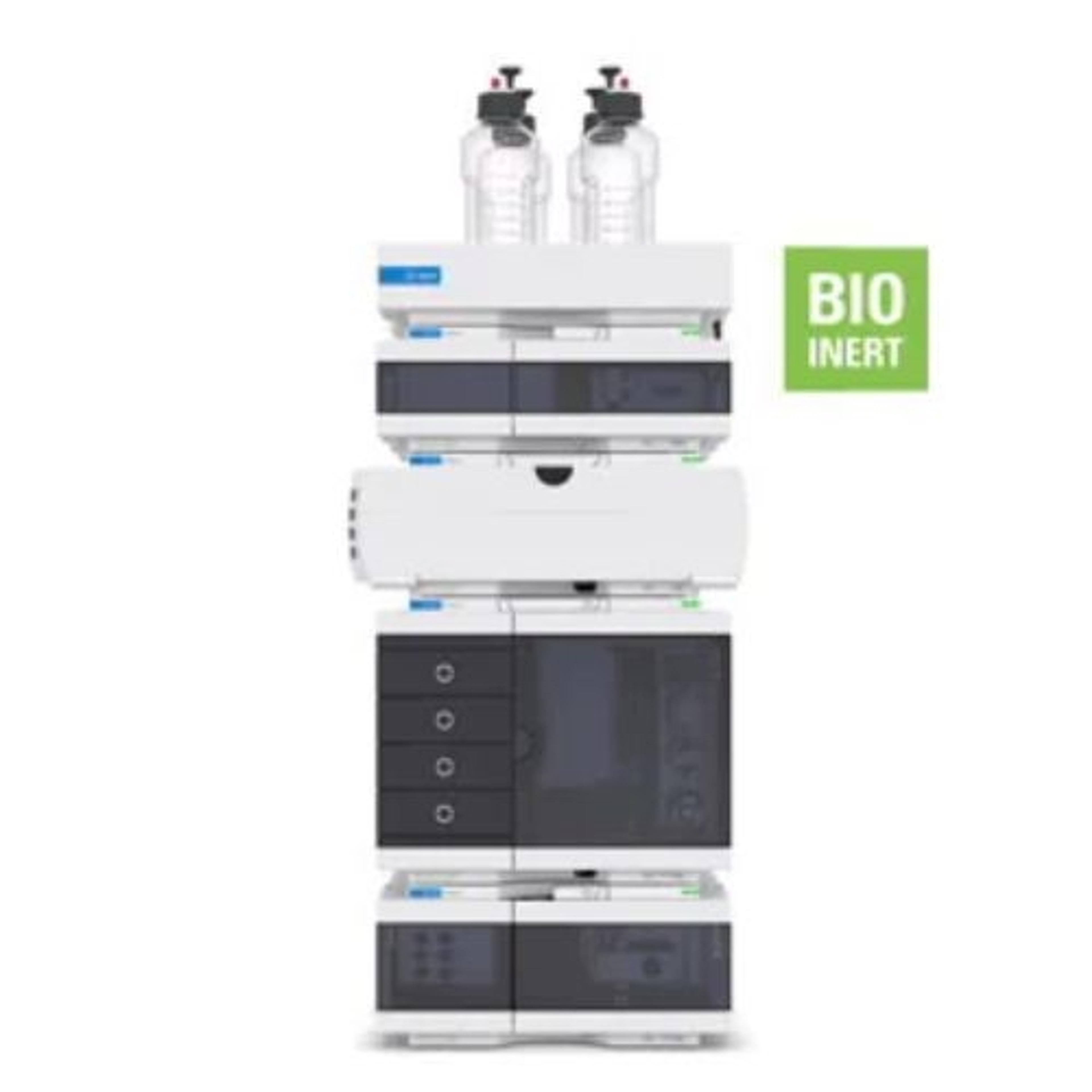
Agilent 1260 Infinity II Bio-Inert LC System

Agilent Technologies

The 1260 Infinity II Bio-Inert LC is a dedicated solution for analysis of large biomolecules in biological samples, including monoclonal antibody (mAb) and protein analysis. Metal-free components in the sample flow path and the absence of iron and steel in solvent delivery lines ensure the integrity of your biomolecules, minimize unwanted surface interactions, and increase column lifetime.
(6)

Agilent Bio MAb

Agilent Technologies

Thorough characterization of monoclonal antibodies includes the identification and monitoring of acidic and basic isoforms. The Agilent Bio MAb HPLC columns feature a unique resin specifically designed for high-resolution charge-based separations of monoclonal antibodies.
(0)

Agilent Bio IEX

Agilent Technologies

Agilent Bio Ion-Exchange HPLC columns are packed with polymeric, nonporous, ion-exchange particles. Bio Ion-Exchange Columns are designed for high resolution, high recovery and highly efficient separations of peptides, oligonucleotides and proteins.

(0)

Links

Tags

Ion ChromatographyIon chromatography, also known as ion exchange chromatography, is a high-performance liquid chromatographic technique used for the separation and identification of ions or polar molecules in a sample, including proteins, nucleotides and amino acids. Equipment includes ion exchange columns, ion exclusion columns, ion chromatography systems, pumps, and detectors. Find the best ion chromatography equipment in our peer-reviewed product directory: compare products, check customer reviews and receive pricing direct from manufacturers.AntibodiesAntibodies are used in techniques such as confocal and fluorescence microscopy, flow cytometry, ELISA, ELISPOT, immunohistochemistry, western blotting and immunopreciptation. Select specific antigen reactivity, high specific affinity, low non-specific binding, monoclonal or polyclonal, primary or secondary antibodies and associated conjugates such as an enzyme or dye for visualization.Monoclonal AntibodiesMonoclonal antibodies (mAbs) are lab-made molecules that can bind to specific antigens on cells, making them highly effective in treating cancers, autoimmune diseases, and infections. These targeted therapies are transforming the treatment landscape for many conditions. Browse our peer-reviewed product directory to find monoclonal antibodies for research and clinical applications; compare products, check reviews, and get pricing directly from manufacturers.BiopharmaceuticalsBiopharmaceuticals are proteins and other compounds (such as nucleic acids) produced by living organisms that have uses as therapeutics or for in vivo diagnostics. The most well known example of a biopharmaceutical product, and the first to be approved for therapeutic use, was recombinant human insulin.ChromatographyChromatography is a powerful technique used to separate and analyze components of mixtures based on their chemical properties. It is widely used in fields like biochemistry, pharmaceuticals, and environmental analysis. By exploiting differences in the interaction of substances with a stationary phase and a mobile phase, chromatography enables precise purification and quantification of compounds. Whether you're working with complex biological samples or industrial chemicals, chromatography is essential for obtaining high-quality results. Browse our peer-reviewed product directory to find the best chromatography systems, compare products, read customer reviews, and get pricing directly from manufacturers.