
Characterization of Impurities in the Fungicide Flutriafol Using UNIFI and UPLC-ToF-MSE
3 May 2015In this application note, Waters® ACQUITY UPLC I-Class System coupled to the Xevo G2-XS QTof and the ACQUITY UPLC PDA Detector were used to analyze technical-grade flutriafol material. Flutriafol is a triazole fungicide that is used in the treatment of a broad spectrum of diseases in cereal crops. The Screening Platform Solution with UNIFI was used to screen the sample and expedite the discovery of unknown components of interest, as well as to confirm the presence of the active ingredient.
Related products
Request Quote for All Products
CORTECS® Columns
WatersUnleash the power of your laboratory's instrumentation. CORTECS® 1.6 µm and 2.7 µm solid-core columns deliver new levels of performance. CORTECS Columns are available in both reversed-phase and HILIC options, giving you the flexibility and power to develop methods for challenging separations even faster. With different particle characteristics and innovative charged surface modifications, CORTECS Columns are suitable for use in a wide variety of applications. CORTECS Columns offer particle sizes ideal for HPLC, UHPLC, and UPLC platforms, assuring a simple, seamless method transfer with consistent results across different particle sizes and column configurations. CORTECS 1.6 µm and 2.7 µm solid-core columns are suitable for use in a wide variety of applications. CORTECS Columns offer particle sizes ideal for HPLC, UHPLC, and UPLC platforms, assuring a simple, seamless method transfer with consistent results across different particle sizes and column configurations.
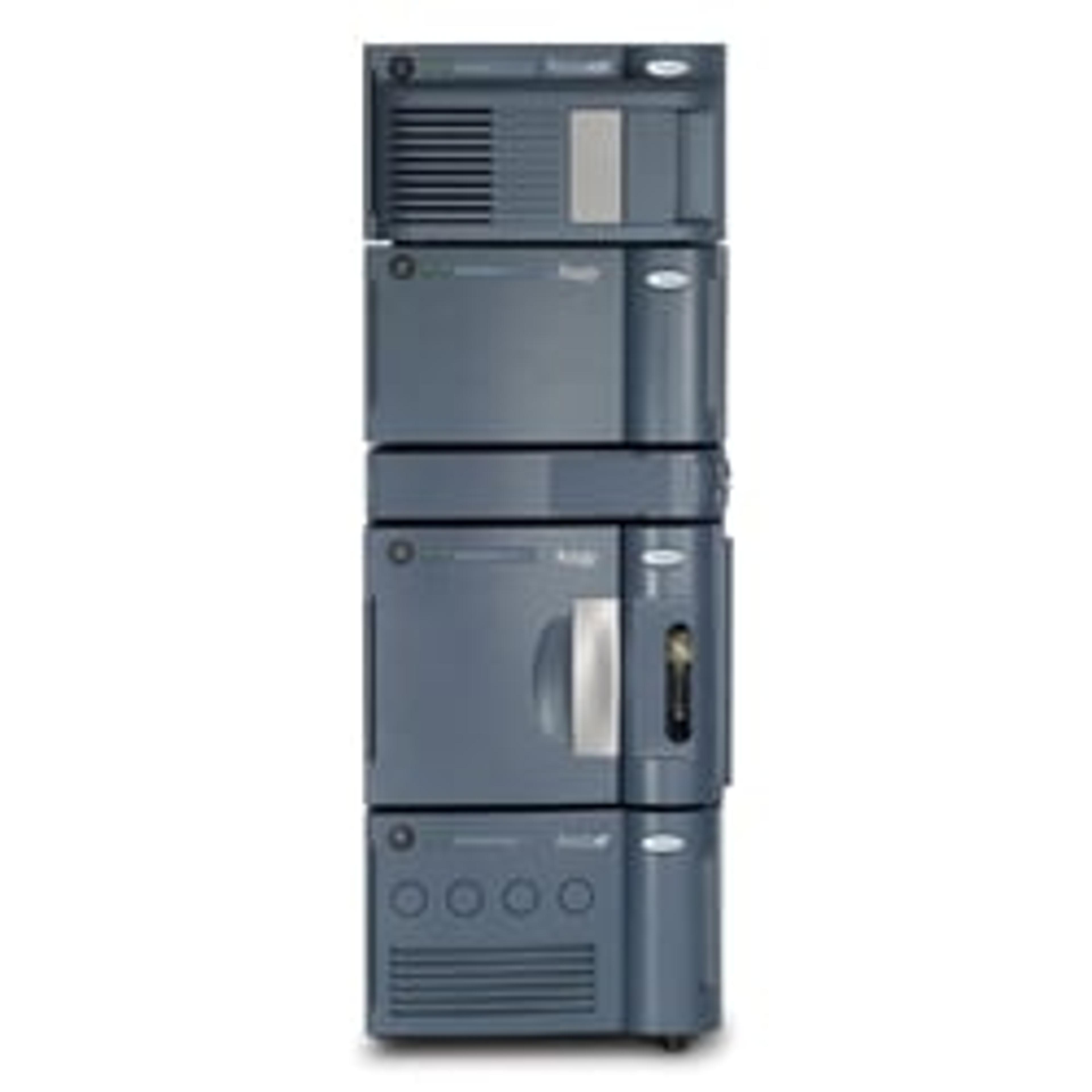
ACQUITY UPLC® I-Class PLUS System
WatersThe most powerful solution to the most critical need in separation science today.
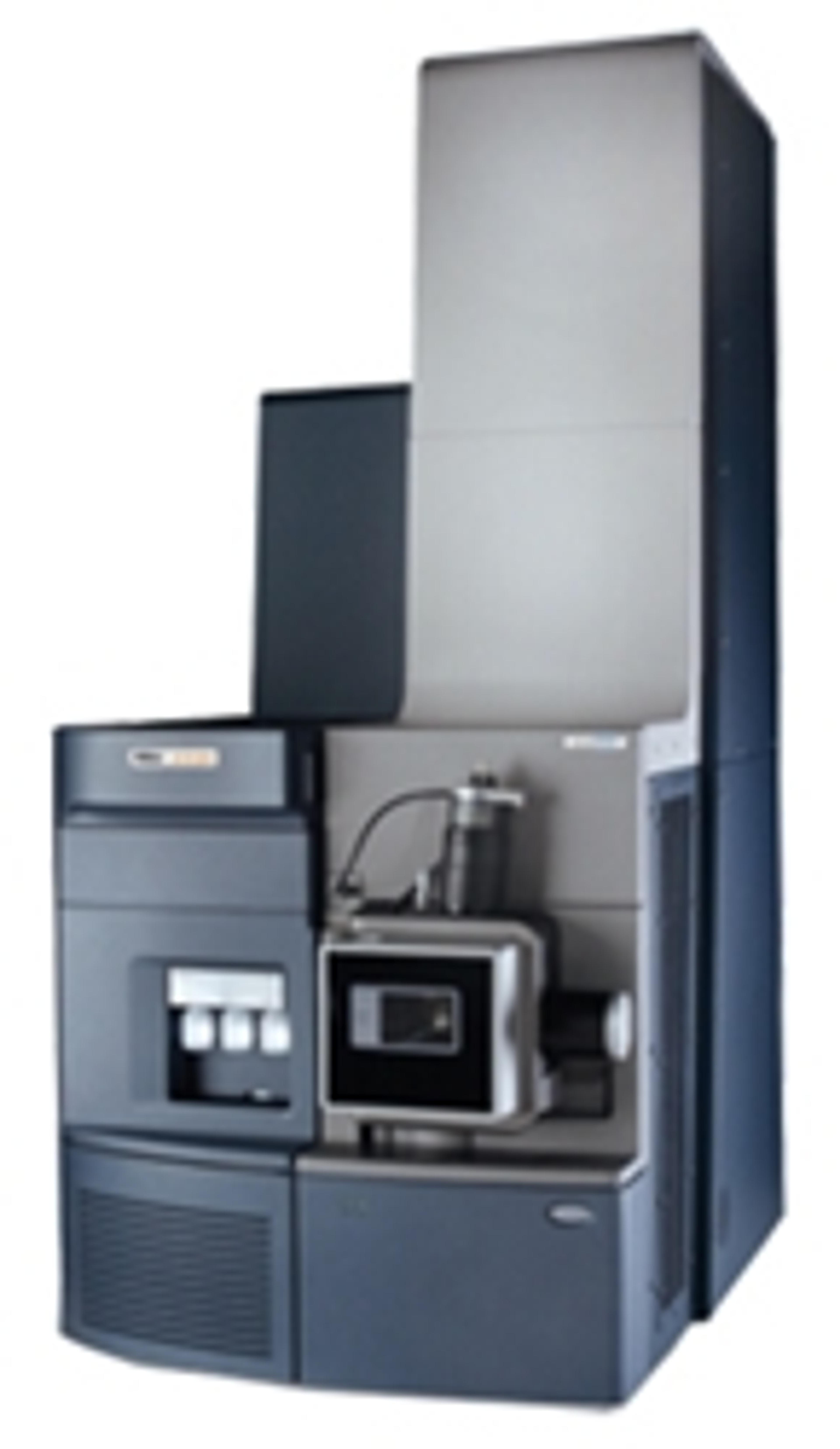
Xevo G2-XS QTof
WatersXevo G2-XS QTof - eXtreme Sensitivity, eXtraordinary Selectivity, eXceptional Solutions. For the scientist who needs to identify, quantify and confirm the broadest range of compounds in the most complex and challenging samples the Xevo G2-XS QTof provides maximum robustness with no compromise in performance, class-leading real-world quantitative sensitivity, the highest quality, most comprehensive qualitative information, flexibility to adapt to changing needs and is accessible to experts and non-experts alike.