
Characterization of batteries and fuel cells using electrochemical impedance spectroscopy
12 Mar 2021Alternative energy sources are becoming more prevalent as alternatives to fossil fuels become important in the electricity generation equation. Fuel cells and batteries both play their part in this arena for energy storage and conversion. Their success depends on continued improvement in performance. While there are many tools used in the characterization of these devices during all stages of developent, one stands common – electrochemical impedance spectroscopy. Electrochemical impedance spectroscopy (EIS) is a powerful technique that is particularly useful for battery and fuel cell development. What makes this technique so powerful is that it is a non-destructive technique that allows you to characterize everything from materials, to cells, to modules, and even full packs.
Related products
Request Quote for All Products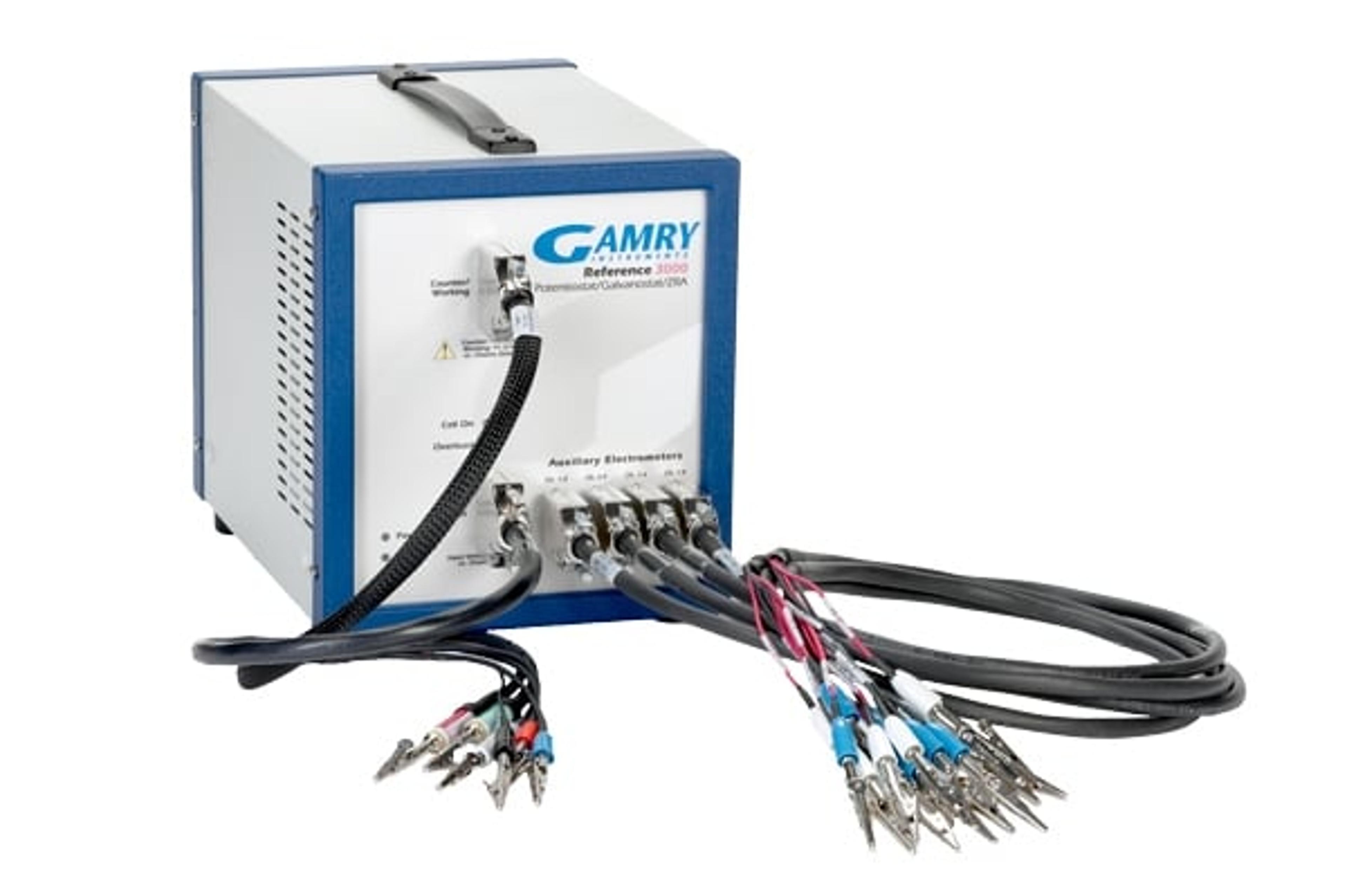
Reference 3000AE Potentiostat
Gamry InstrumentsThe 3000AE is useful for testing multiple cells within a stack or measuring auxiliary voltages.
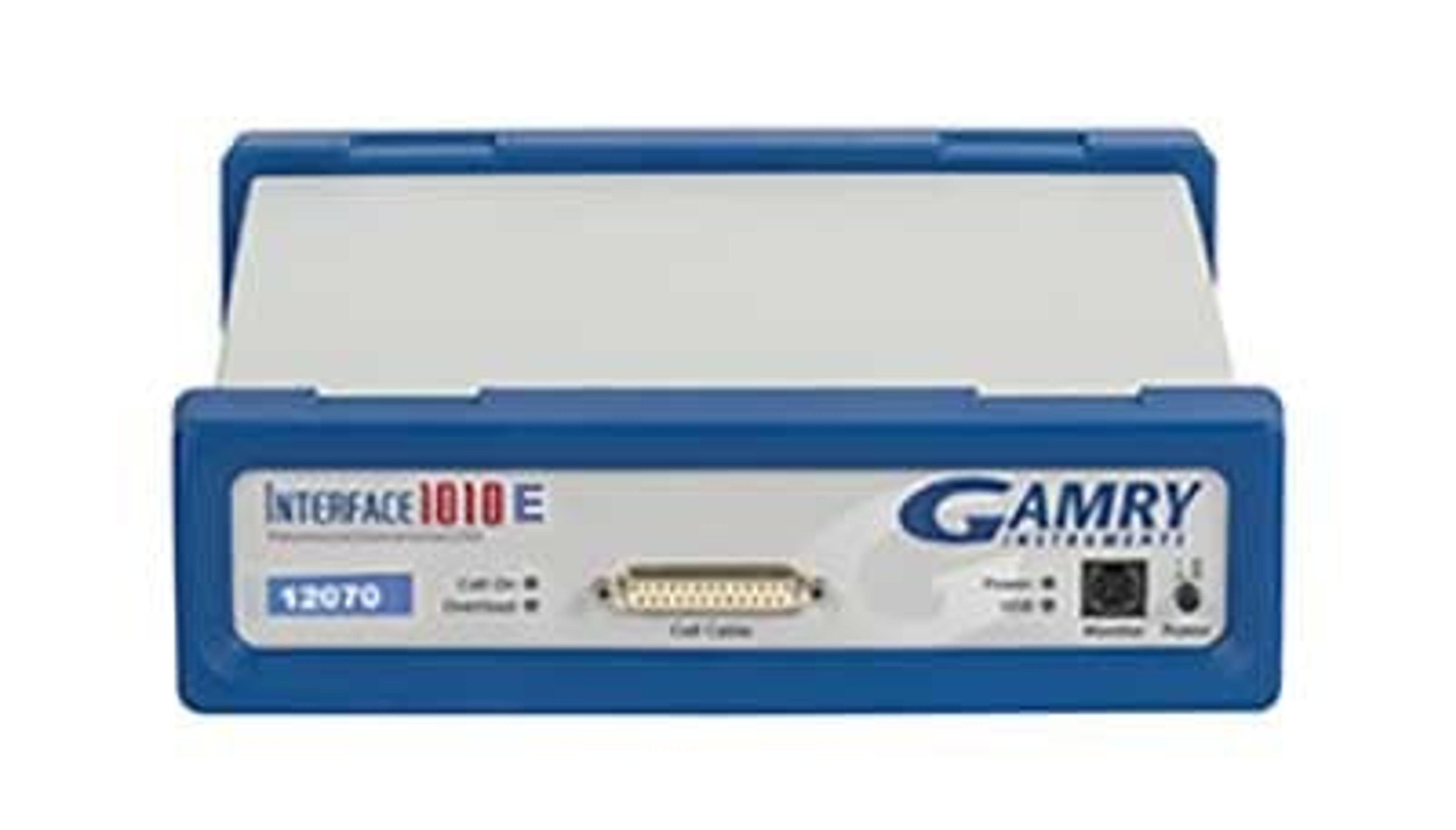
Interface 1010E Potentiostat
Gamry InstrumentsA full-featured potentiostat capable of performing all techniques, including EIS. The new Interface 1010 with built-in temperature monitor using an RTD probe.
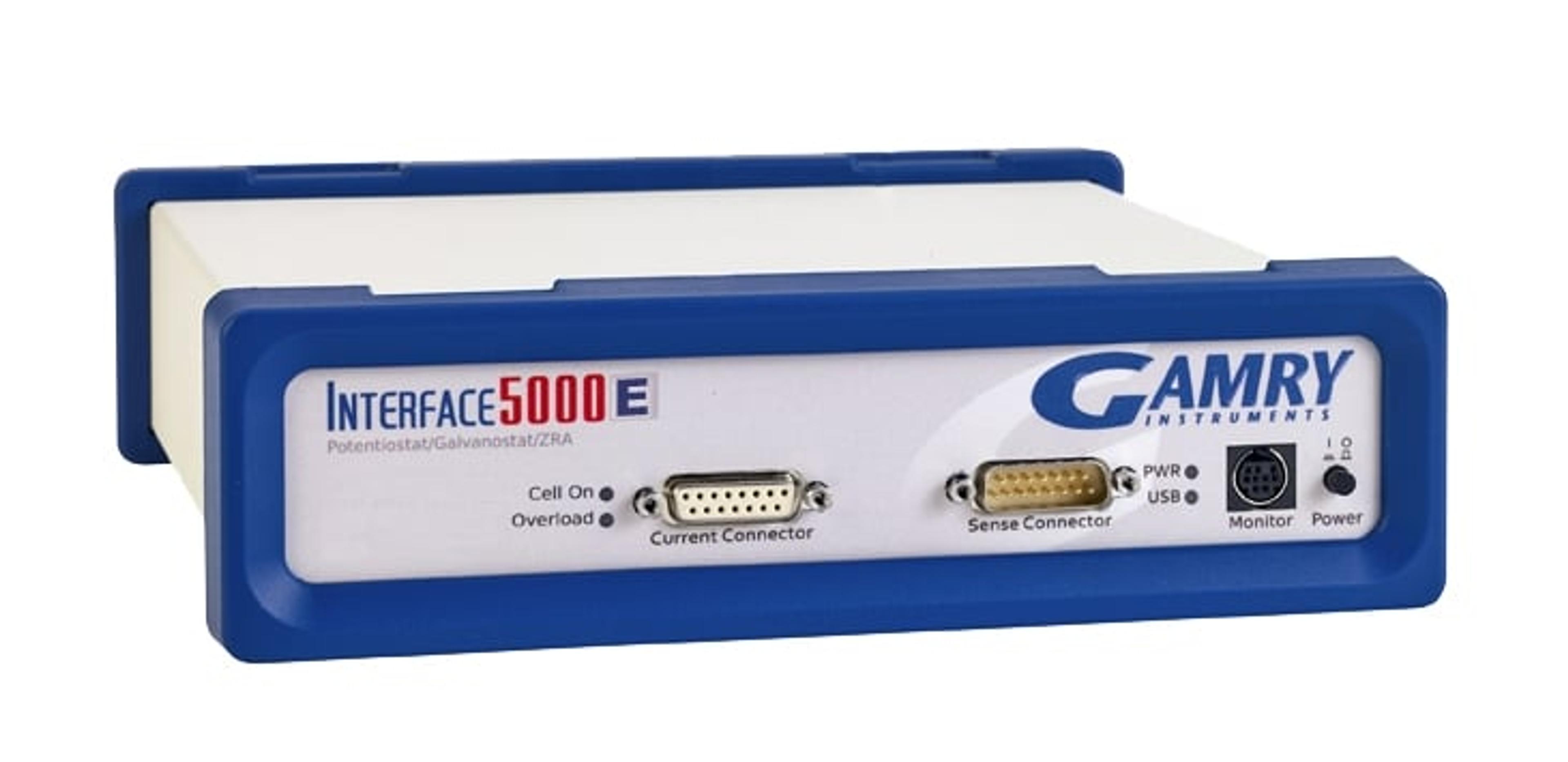
Interface 5000E Potentiostat
Gamry InstrumentsA full-featured potentiostat for battery testing, fuel cells and supercapacitor testing.